Mokama Ghat
Prafulla Chaki, nineteen, cornered on a river-port platform on 1 May 1908, and the policeman who found him
After the Muzaffarpur bomb the two boys split up in the dark, and Prafulla Chaki walked through the night to Samastipur and bought a ticket for the Ganga crossing at Mokama Ghat. A police sub-inspector named Nandalal Banerjee shared his compartment, worked out who he was, and telegraphed ahead, and Chaki shot himself on the platform on 1 May 1908, at nineteen. Banerjee was shot dead in Calcutta six months later, and this lesson tells both killings as choices with costs.
The Inter Class Ticket
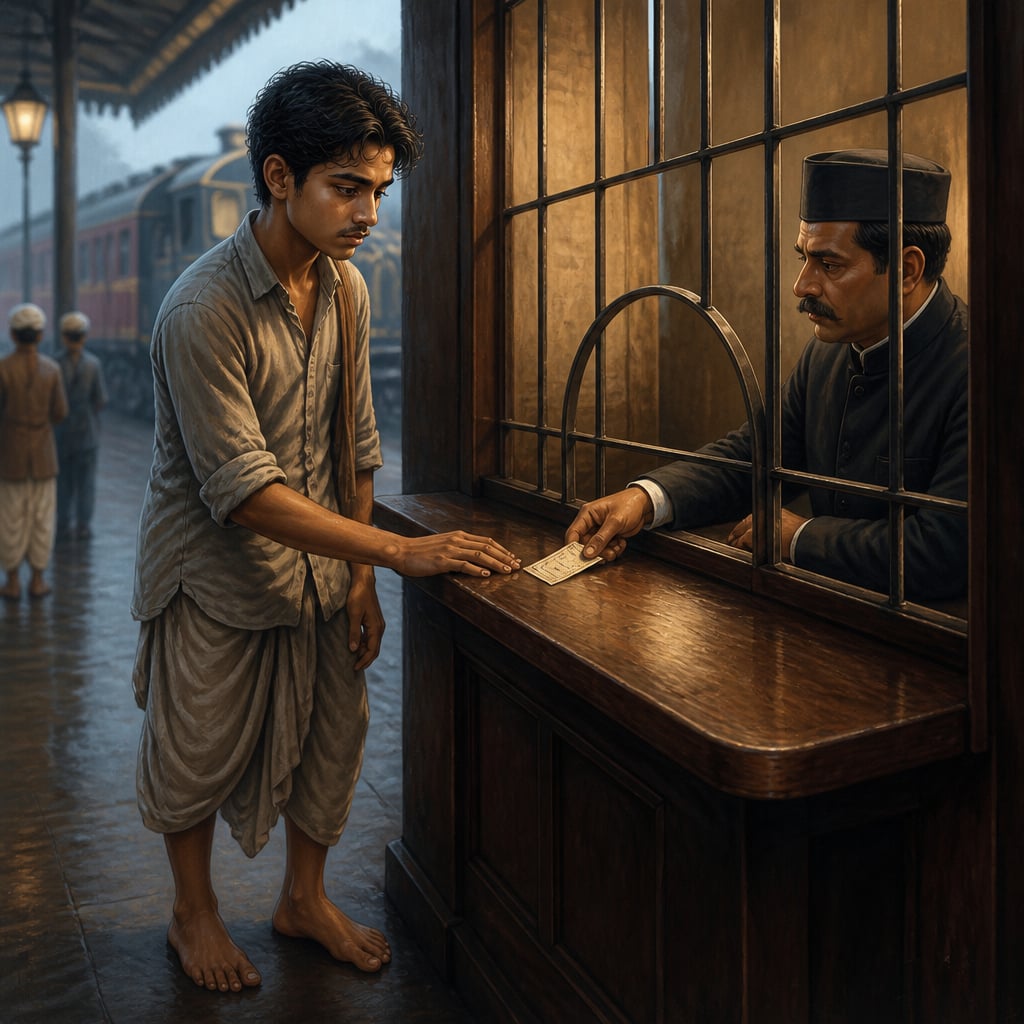
It is the morning of 1 May 1908, and a boy of nineteen is buying a railway ticket at Samastipur Junction in north Bihar. He has been walking since the previous night. His shoes are gone, his clothes are dusty, and he has not eaten. He asks for an inter class ticket to Mokameh Ghat, which is the point where the railway line meets the Ganga and passengers cross the river by steamer.
His name is Prafulla Chaki. In his clothing is a pistol. Twelve hours earlier, outside the European Club at Muzaffarpur, he and another boy threw a bomb at a carriage they believed carried the magistrate Douglas Kingsford. Kingsford was not in it. Mrs Kennedy and her daughter Grace were, the wife and daughter of a Muzaffarpur barrister, and both of them died.
The two boys had split up in the dark and gone different ways. Prafulla does not know it, but the other one, Khudiram Bose, is being taken at a station twenty-five miles behind him at almost this hour.
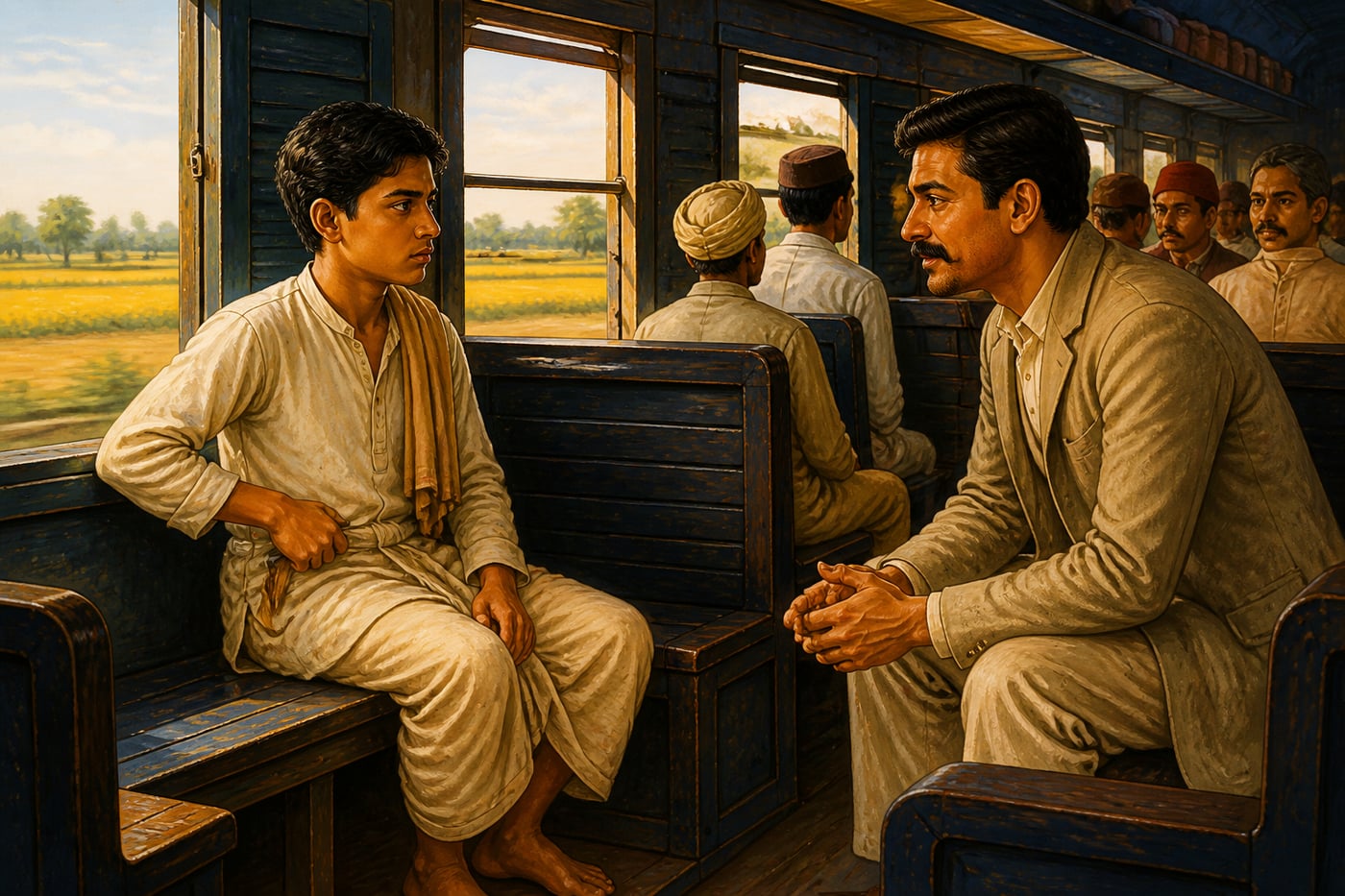
Prafulla gets into a compartment. A little later a man in plain clothes gets in too, a sub-inspector of police named Nandalal Banerjee, on his way back from leave. He starts a friendly conversation with the barefoot boy. The boy answers him.
Neither of them will live out the year.
Who He Was Before the Bomb
Prafulla Kumar Chaki was born on 10 December 1888, in a village called Bihari about twenty miles north of Bogra town, in what is now Bangladesh. He was the youngest of the five sons of Rajnarain Chaki. The family was quiet and religious and had nothing to do with politics.
What made him a revolutionary was a school rule. After Bengal was partitioned in 1905, the government of East Bengal and Assam issued the Carlisle Circular, which threatened students with fines and expulsion for joining swadeshi protests. Prafulla was in Class 9 at the Rangpur Zilla School. He joined a demonstration anyway and was thrown out along with about eighty other boys.