The Village That Declared Itself Free
A village in Mysore state put up a signboard telling the government to keep out, and five of its men were hanged for it
In August 1942 the village of Isuru in Shivamogga district declared itself free, hoisted the tricolour on its temple, and ran its own government with boys in the offices that carried the legal risk. On a September afternoon two state officers came to take the signboard down and did not leave alive. Five villagers were hanged in Bangalore jail in March 1943, the only Quit India rising inside a princely state that ended on the gallows.
The Signboard at the Village Edge
It is late September 1942, on the cart road into Isuru, a village of a few hundred people in Shikaripura taluk, in what was then the state of Mysore. A board has been nailed up where the road meets the first houses. It says that officials of the government may not enter, and that anyone who does will be dealt with under the rules of the Isuru government.
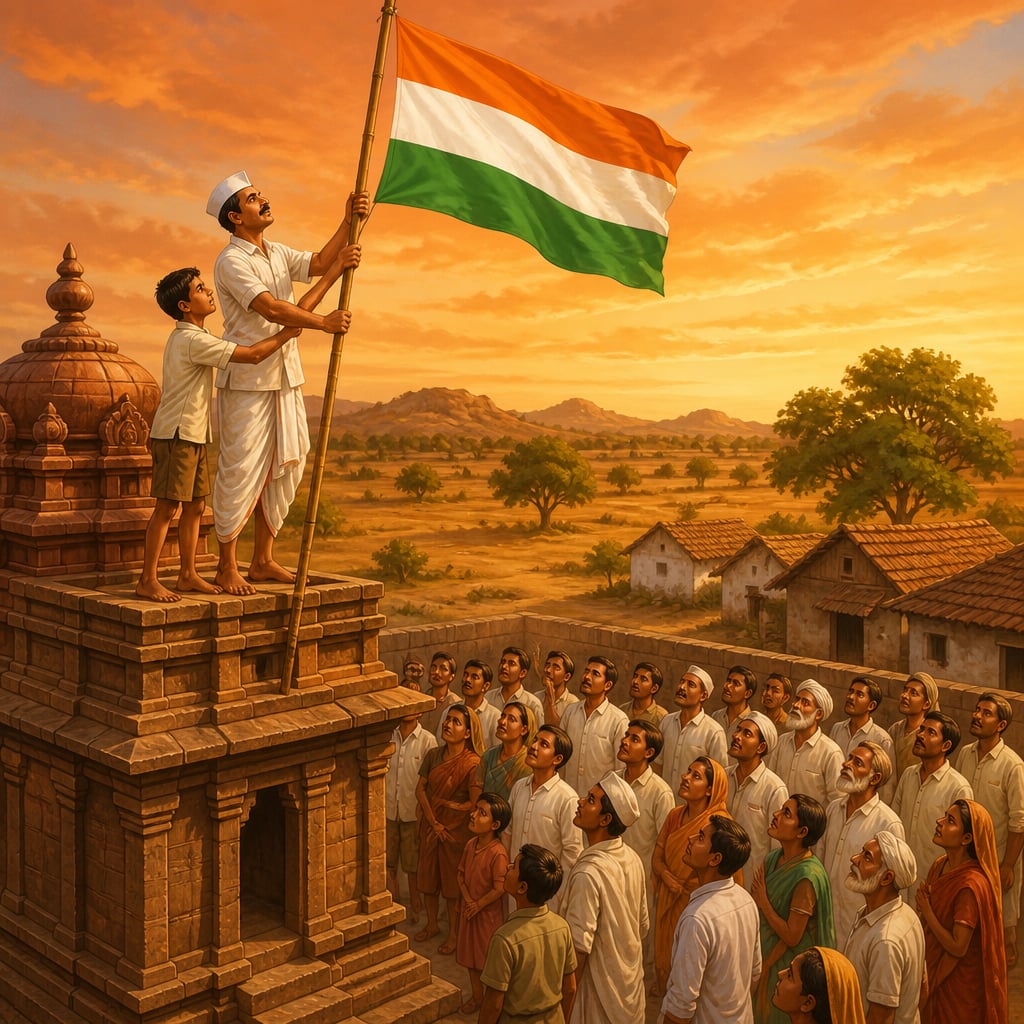
Above the village, on the tower of the Veerabhadreshwara temple, a tricolour is flying. It has been up for weeks.
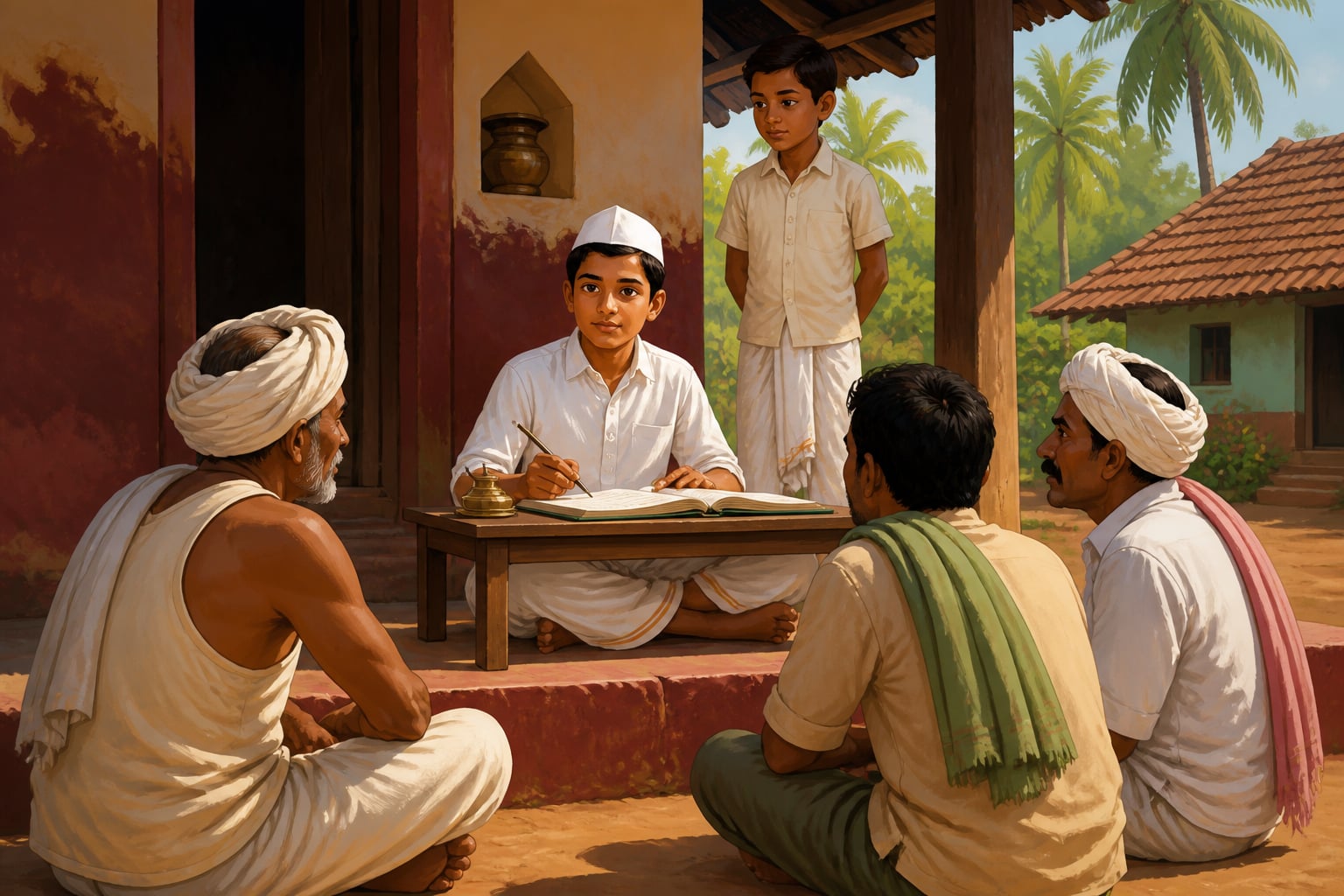
The village has given itself a government, and the posts have been handed out with some care. A boy is the revenue officer. Another boy is the police inspector. Both are under sixteen, and that is the point. The men of the village worked out that the state could not hang a child. So they put the children in the chairs that carried the risk. The temple deity was given the top post, the one a British-trained bureaucracy would call Deputy Commissioner.
A moneylender and landholder named Sahukar Basavannappa is the man behind the arrangement. He is not the one who will hang.
Read the signboard once more and see what it actually claims. It does not ask for a lower tax. It says the government's writ ends here. In the plains of British India that summer, thousands of people were saying something like it. Isuru is the one that ended on the gallows, and it is the one place in the Quit India year where that happened inside a princely state.
Which Government Was Being Told to Leave
This is where the story gets its particular shape, and where most retellings blur it.
Isuru was not in British India. It was in the Mysore state, ruled by Maharaja Jayachamarajendra Wadiyar, whose Dewan in 1942 was N. Madhava Rao. Mysore had its own revenue service, its own police, its own courts and its own jails. The officers who walked up that cart road were not Englishmen. They were Kannada-speaking servants of a Kannada-speaking palace.