Caxton Hall
The afternoon Udham Singh shot Sir Michael O'Dwyer in London, the twenty one years that led to it, and the court statement the judge ordered nobody to print
On 13 March 1940 Udham Singh shot Sir Michael O'Dwyer at Caxton Hall in Westminster. O'Dwyer was the Lieutenant Governor who approved the firing at Jallianwala Bagh in 1919 and defended it for the rest of his life. He was not General Dyer, who had died in 1927, and this lesson keeps the two men apart while following Udham Singh from a Punjab orphanage to the gallows at Pentonville.
The Book With a Hole In It
It is Wednesday, 13 March 1940, about half past four in the afternoon. Caxton Hall in Westminster, London, is full. The East India Association and the Central Asian Society are holding a joint meeting, and Lord Zetland, the Secretary of State for India, is in the chair. On the platform sit old men who once ran provinces. One of them is Sir Michael O'Dwyer, seventy five years old, who was Lieutenant Governor of Punjab from 1913 to 1919.
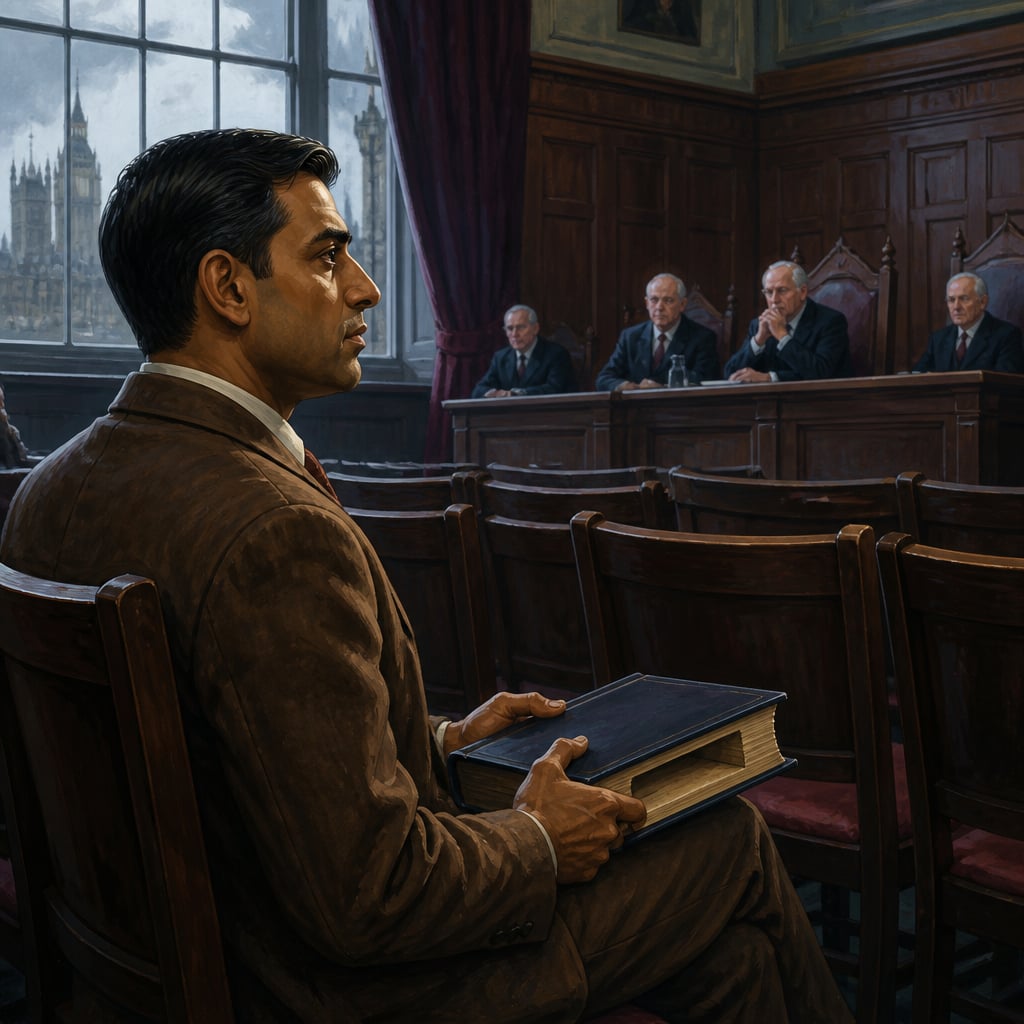
Near the back of the hall sits an Indian man in a suit, holding a book. He has been in London for years. He works odd jobs. He signs his name in different ways in different places. The book in his hands is a hollowed out shell. Inside it is a revolver he bought from a soldier in a pub.
The speeches end. Chairs scrape. People stand up to leave and the room fills with that loose noise a room makes when a meeting is over. The man walks forward, takes out the revolver, and fires at O'Dwyer from close range. Two bullets hit him. He dies where he stands.
The crowd pulls the shooter down. He does not run, and he does not resist. In the police station he gives a name that is not on his birth record: Ram Mohammad Singh Azad. Ram for the Hindus, Mohammad for the Muslims, Singh for the Sikhs, Azad for free. His actual name was Udham Singh, and he had waited twenty one years for this afternoon.
The Man He Shot, and the Man He Did Not
This is the part that gets confused, so hold it steady. There were two Englishmen at Jallianwala Bagh in 1919, and they are not the same man.
Brigadier General Reginald Dyer commanded the troops. On 13 April 1919 he marched fifty riflemen into the walled garden at Amritsar, blocked the only wide exit, and ordered them to fire on an unarmed crowd without warning. The official count of the dead was 379. Indian estimates ran far higher.