Lyallpur, 3 March 1907
The Colonisation Bill, a song sung at a farmers' meeting, and two men removed to Burma without a trial
At a farmers' meeting at Lyallpur on 3 March 1907, an Urdu editor named Banke Dayal sang Pagdi Sambhal Jatta against the Punjab Colonisation Bill and the raised canal rates. The agitation spread through the canal colonies until the government removed Lajpat Rai and Ajit Singh to Mandalay without trial on 9 May 1907, and the Viceroy killed the Bill seventeen days later. Lajpat Rai is context here; this chapter follows the men history dropped.
The Meeting at Lyallpur
It is 3 March 1907, in a town that is fifteen years old. Lyallpur sits in the middle of the Chenab Colony, a stretch of west Punjab that was scrub and sand until the British cut canals into it in the 1890s. The town has eight bazaars running out from a clock tower like the spokes of a wheel. Beyond the last bazaar the wheat is coming up green on land that nobody could farm before.
The men who made that wheat are standing in the open ground that afternoon. They came from Jalandhar, Amritsar and Hoshiarpur in their fathers' time. They cleared the scrub, dug the field channels, and lost children to the fever. Many of them are ex-soldiers of the Indian Army, given land instead of a pension.
A newspaper editor from Jhang climbs up to speak. His name is Lala Banke Dayal and he edits a small Urdu weekly called Jhang Sial. He does not make a speech. He sings.
Pagdi sambhal, jatta, pagdi sambhal oye.
Look after your turban, farmer. Look after your turban.
The turban is the thing a Punjabi farmer wears to say he owns his land and answers to no one. The song tells him it is about to be taken off his head. Within weeks it is being sung in every canal village in west Punjab, and by June the two men who led the agitation are in a jail in Burma. The question worth asking is not why the song spread. It is why the government gave in.
The Bill That Made Them Tenants
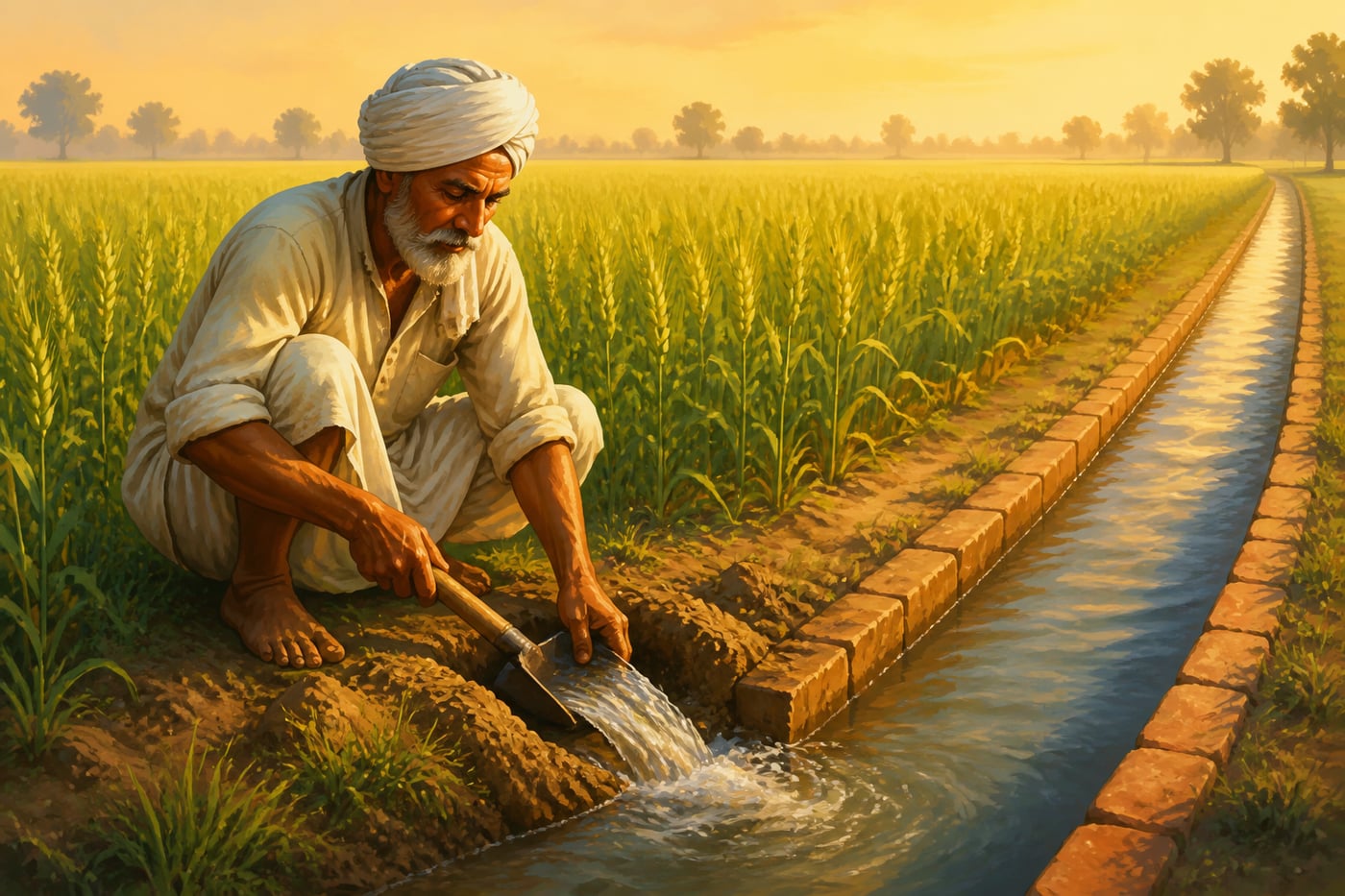
To understand the anger you need one legal fact. The men of the Chenab Colony did not own their land. They held it as government tenants, with the promise, as they understood it, that proprietary rights would come in time. Land was granted in small squares, most families holding well under fifty acres.