Tantra Darshana: Understanding Tantra

Kaula, Mishra, Samaya and Vamachara vs Dakshinachara

An educational overview of tantric traditions without sensationalism. Understand the three main tantric paths (Kaula, Mishra, Samaya), the distinction between left-hand (Vamachara) and right-hand (Dakshinachara) practices, and how Shakti Peethas serve as centers for these traditions.

What Is Tantra?

No word in Hindu spirituality is more misunderstood than "tantra."

In Western popular culture, tantra has been reduced to exotic sexuality. In Indian popular culture, it often connotes black magic, dangerous rituals, and fear. Both understandings miss the point entirely.
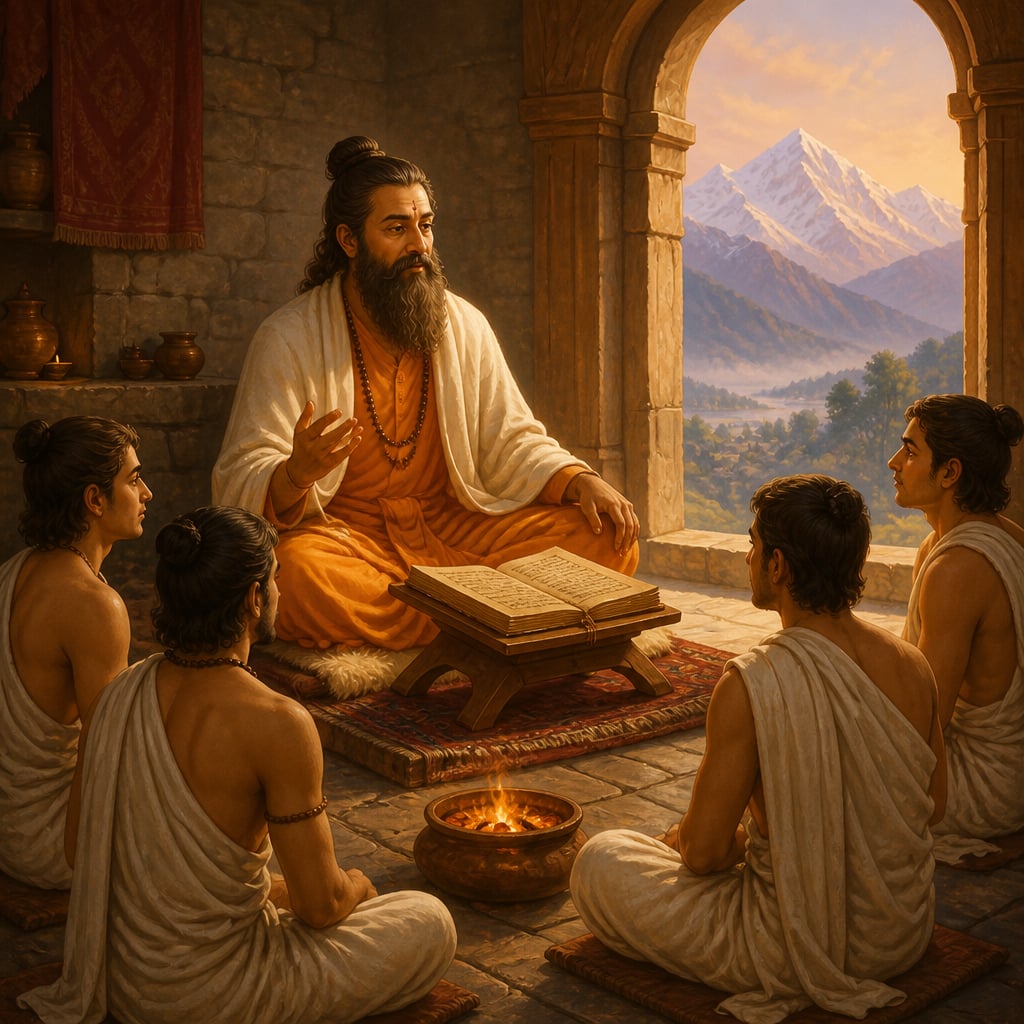
Abhinavagupta with Tantraloka manuscript

Tantra is a sophisticated spiritual technology, a system of practices, philosophies, and rituals designed to accelerate liberation. The word itself comes from two Sanskrit roots: tan (to expand) and tra (to protect or liberate). Tantra is thus "that which expands and liberates", a methodology for expanding consciousness and liberating the practitioner from ignorance.

Tantric traditions share several core premises that distinguish them from other Hindu paths:

  1. The body is sacred, not an obstacle. Unlike renunciate traditions that view the body as a prison, tantra sees the body as a temple, a microcosm of the universe containing all the powers of the cosmos.

  2. The world is real, not illusion. While some Hindu schools teach that the world is maya (illusion) to be transcended, tantra teaches that the world is the goddess's body, sacred, real, and the very medium through which liberation occurs.

  3. Energy (shakti) is the path. Rather than withdrawing from energy through renunciation, tantra works with energy, channeling, purifying, and redirecting it toward liberation.

  4. The feminine is primary. In tantric cosmology, Shakti (the dynamic, creative power) is the active principle; Shiva (pure consciousness) is passive without her. The Goddess is not merely Shiva's consort but the supreme reality.

  5. Liberation is available now. Tantra is an accelerated path that promises jivanmukti, liberation while still alive, rather than liberation only after death.

The Three Main Tantric Paths

Within tantra, three main approaches have developed, each suited to different temperaments and stages of spiritual development. These are Kaula, Mishra, and Samaya.

Kaula: The External Path

Kaula (from kula, meaning family or clan) is the most external and ritualistic of the three paths. It emphasizes:

Kaula tantra recognizes that most people identify with their bodies and their senses. Rather than fighting this identification (as renunciate paths do), Kaula works through the body and senses, gradually purifying and redirecting them.

Where practiced: Kaula traditions remain strongest at sites like Tarapith, Kamakhya, and the Bengal tantric centers. The cremation-ground practices, the fierce goddess worship, and the living tantric priests all represent Kaula traditions.

Criticism and defense: Orthodox Hindus have criticized Kaula for its transgressive practices. Kaula practitioners respond that transformation requires working with the "shadow", that avoiding sexuality, death, and the body creates repression rather than transcendence.

Mishra: The Mixed Path

Mishra (meaning "mixed") combines external and internal practices. It includes:

Mishra tantra recognizes that different practitioners have different needs. Some need the structure of external ritual; others are ready for purely internal practice. The Mishra approach provides a bridge.

Where practiced: Mishra traditions are found in many regional variations. The Sri Vidya tradition of South India, which combines elaborate ritual with meditation on the Sri Yantra, is often considered a Mishra approach.

Criticism and defense: Some Kaula practitioners see Mishra as a watered-down compromise; some Samaya practitioners see it as still too attached to external forms. Mishra practitioners respond that integration, not choosing between extremes, is the mature approach.

Samaya: The Internal Path

A Sri Vidya practitioner drawing the Sri Yantra in kumkum

Samaya (meaning "time" or "agreement") is the most internalized of the three paths. It emphasizes:

Samaya tantra holds that the external world is already within, that a sufficiently advanced practitioner can access all the power of pilgrimage, ritual, and initiation through meditation alone.

Where practiced: Samaya traditions are found among certain lineages of Sri Vidya practitioners, particularly in South India. The emphasis on internal worship suits householders who cannot perform elaborate external rituals.

Criticism and defense: Kaula practitioners sometimes accuse Samaya of spiritual bypassing, claiming internal transcendence while avoiding the difficult work of transformation. Samaya practitioners respond that true transcendence doesn't need external props.

The Three Paths Compared

Aspect Kaula Mishra Samaya
Primary method External ritual Combined Internal meditation
Attitude to body Works through body Body as bridge Transcends body
Use of transgression Embraced Symbolic Transcended
Typical practitioner Tantric specialist Advanced householder Contemplative
Associated sites Cremation grounds, Peethas Temples, ashrams Inner temple
Goal Liberation through transformation Liberation through integration Liberation through direct knowledge

Vamachara and Dakshinachara: Left and Right

Another fundamental distinction in tantric practice is between Vamachara (left-hand path) and Dakshinachara (right-hand path). These terms are often misunderstood.

Dakshinachara: The Right-Hand Path

Dakshinachara (from dakshina, meaning right, south, or auspicious) refers to tantric practices that remain within conventional social boundaries. Characteristics include:

Most Sri Vidya worship, most temple tantra, and most householder tantric practice falls under Dakshinachara. This is the "safe" form of tantra, powerful but socially acceptable.

Vamachara: The Left-Hand Path

Vamachara (from vama, meaning left, woman, or opposite) refers to tantric practices that deliberately transgress social boundaries. Characteristics include:

Vamachara is the "dangerous" form of tantra, potentially powerful but requiring extreme care, proper initiation, and genuine spiritual maturity. Without these safeguards, it can lead to spiritual harm rather than liberation.

The Panchamakara: The Five M's

The most controversial aspect of Vamachara is the Panchamakara, five ritual elements that all begin with the letter "M" in Sanskrit:

  1. Madya (मद्य), Wine or intoxicating drink
  2. Mamsa (मांस), Meat
  3. Matsya (मत्स्य), Fish
  4. Mudra (मुद्रा), Parched grain (or hand gestures, depending on interpretation)
  5. Maithuna (मैथुन), Sexual union

In Dakshinachara, these are interpreted symbolically:

In Vamachara, these are practiced literally, but with crucial caveats:

The logic is that what we fear or crave controls us. By deliberately engaging taboo substances in a sacred context, the practitioner breaks the power of both attraction and repulsion. The goal is freedom, not license.

Why Left and Right?

Why "left" and "right"? Several explanations exist:

  1. The Shakti Position: In Vamachara rituals, the female partner (representing Shakti) sits on the left. In Dakshinachara, visualization places the deity on the right.

  2. Auspiciousness: In Indian tradition, right is auspicious and left is inauspicious. Vamachara deliberately embraces the "inauspicious" to show that duality itself is illusion.

  3. Convention vs. Transgression: Right represents following convention; left represents departing from it.

  4. The Goddess Herself: Vama also means "woman", Vamachara is the path that honors the feminine principle even in its transgressive forms.

How Shakti Peethas Relate to These Traditions

The Shakti Peethas are not uniform, different sites align with different tantric traditions.

Kaula-Oriented Peethas

Tarapith, Kamakhya, Kalighat, These sites are centers of Kaula practice:

Mishra-Oriented Peethas

Most major Shakti Peethas, The majority of peethas combine external and internal elements:

Samaya-Compatible Peethas

Some South Indian sites, Sri Vidya centers, These emphasize:

The Pilgrim's Choice

When visiting Shakti Peethas, pilgrims naturally gravitate toward sites that match their temperament:

The peethas accommodate all approaches. A family can perform simple darshan at the same temple where a tantric sadhaka performs midnight rituals.

Misconceptions Addressed

"Tantra is about sex"

Sexual practices exist within tantra, but they represent a small fraction of tantric teaching, apply only to specific Vamachara contexts, require extensive preparation and initiation, and are means to spiritual ends, not ends in themselves. Most tantric practice involves mantra, meditation, puja, and philosophical study. The Western focus on "tantric sex" distorts the tradition.

"Tantra is black magic"

Some tantric practices aim at worldly goals (siddhi) rather than liberation (mukti). But this doesn't make them "black magic." The tradition distinguishes:

Using tantric methods for harm is a corruption of the tradition, not its essence.

"Tantra is anti-Vedic"

While tantra developed partly in tension with Brahmanical orthodoxy, the relationship is complex. Many tantric practitioners maintain Vedic rituals alongside tantric ones. The traditions are better understood as complementary rather than opposed.

"Only Hindus practice tantra"

Buddhist tantra (Vajrayana) developed alongside Hindu tantra, and the traditions influenced each other. Tibetan Buddhism preserves tantric practices very similar to Hindu ones. Some Jain traditions also incorporate tantric elements.

The Practitioner's Path

Starting Points

Diksha initiation: a tantric guru transmitting mantra to a disciple

For those interested in tantric practice (beyond academic understanding), the tradition recommends:

  1. Find a qualified teacher, Tantra without guidance is dangerous. A genuine guru is essential.

  2. Begin with Dakshinachara, Start with socially acceptable practices before approaching transgressive ones.

  3. Purify the body-mind, Ethical conduct, dietary discipline, and mental purification prepare for deeper practice.

  4. Receive initiation, Genuine tantric practice requires formal diksha (initiation) that transmits both mantra and lineage blessing.

  5. Practice regularly, Daily sadhana builds the foundation for deeper transformation.

The Role of Shakti Peethas

Pilgrimage to Shakti Peethas supports tantric practice by:

Historical context

Tantric traditions developed over centuries, with roots possibly in pre-Vedic practices. The classical systematization occurred roughly 500-1200 CE. Key figures include Abhinavagupta (Kashmir, 10th century) and various Bengali masters.

Living traditions

Tantric traditions face both challenges and opportunities in the modern world. On one hand, commercialization and misrepresentation (especially around 'tantric sex') distort the tradition. On the other hand, growing scholarly interest, the spread of yoga (which has tantric roots), and seekers' hunger for authentic practice create new audiences. The Shakti Peethas remain living laboratories where authentic tantra can be witnessed, a resource of immeasurable value for those seeking genuine practice.

Reflection

More in Tantra Peethas: Where the Fierce Goddess Lives

All lessons in Tantra Peethas: Where the Fierce Goddess Lives · The Shakti Peethas course