Adhunika Tirtha: The Modern Pilgrimage
Tourism, diaspora, and digital darshan
Explore how Shakti Peetha pilgrimage continues and transforms in the modern world. Understand the relationship between spiritual pilgrimage and tourism, the diaspora's connection to ancestral sites, virtual darshan and digital devotion, and how the ancient tradition adapts while preserving its essence.
The Living Tradition
The Shakti Peetha tradition is not a museum piece. As you have journeyed through this course, from the cosmic origins of Sati's sacrifice to the remote peethas of Tibet, you have encountered a living tradition that continues to shape millions of lives. But how does an ancient pilgrimage tradition survive in the age of smartphones, budget airlines, and global diaspora?
This final lesson explores the modern dimensions of Shakti Peetha pilgrimage: how the tradition adapts, what challenges it faces, and how you might engage with it, whether you live in India, abroad, or simply seek to understand what pilgrimage means in contemporary life.
Pilgrimage and Tourism: Sacred and Secular
The line between pilgrimage and tourism has always been blurry. Medieval pilgrims sought both spiritual merit and adventure; they returned with stories, souvenirs, and expanded horizons. Today, the overlap is even more pronounced.
The Religious Tourist: Millions visit Shakti Peethas each year, many combining devotion with vacation. A family might spend morning hours in prayer at Kalighat, then explore Kolkata's markets in the afternoon. Is this pilgrimage or tourism? Both, and neither's presence diminishes the other.
The Curious Traveler: Non-Hindu visitors increasingly visit major peethas like Kamakhya or Vindhyavasini as cultural sites. Their presence raises questions: Does spiritual power require belief to be accessed? Can one benefit from a sacred site without sharing its tradition?
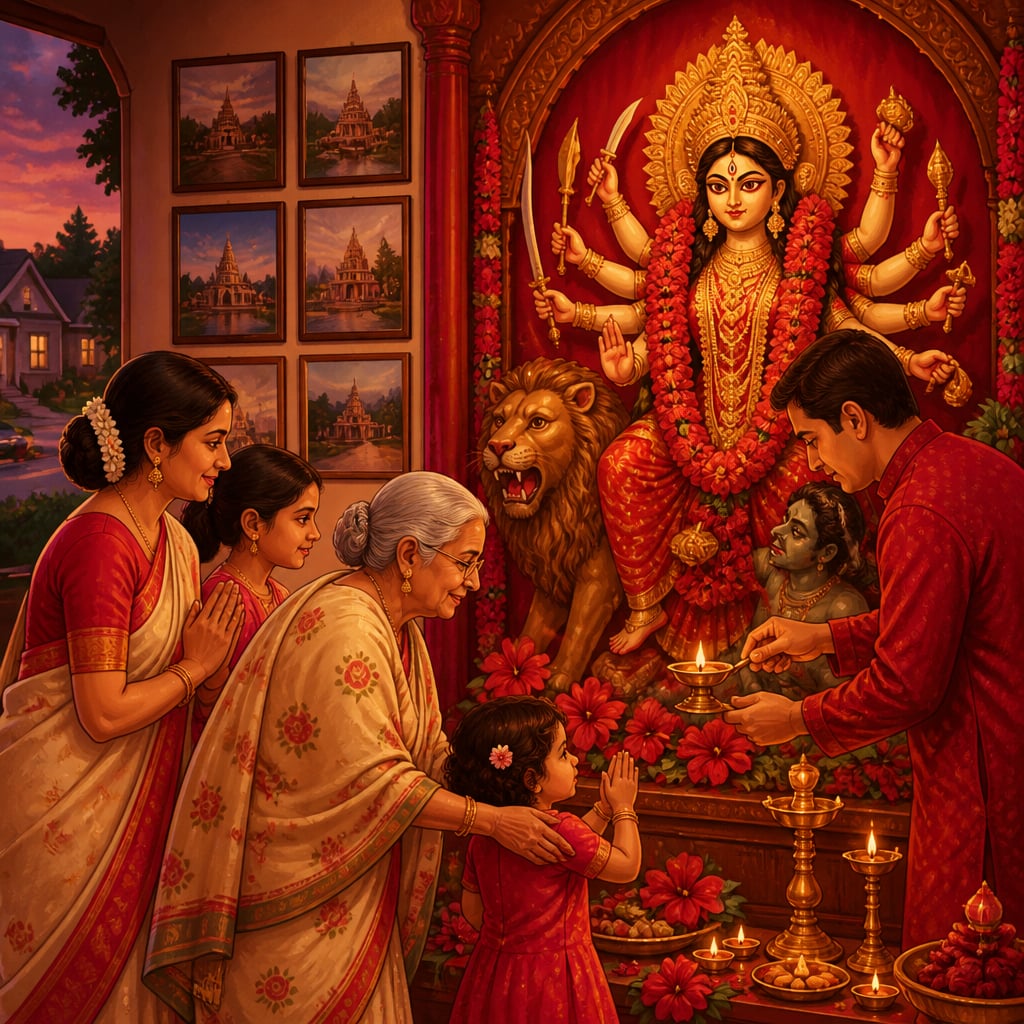
The Heritage Pilgrim: Diaspora Hindus return to ancestral regions and visit local peethas as acts of cultural reconnection. The pilgrimage is both spiritual and genealogical, honoring the goddess and honoring the ancestors who worshipped her.
The Diaspora Connection
An estimated 32 million people of Indian origin live outside India. For many, connection to the Shakti Peetha tradition persists across oceans.
Temple Recreation
Diaspora communities have built temples recreating Shakti Peetha energy in their new homelands. These temples are not "replacements" for the peethas but extensions of their energy, the Goddess traveling with her devotees. Major diaspora temples in Chicago, London, Singapore, and Toronto include dedicated Shakti shrines.
Organized Yatras
Travel companies now offer organized "Shakti Peetha Tours", 10-day, 15-day, or month-long journeys visiting multiple peethas with accommodations, transport, and sometimes priestly guidance arranged. These tours make pilgrimage accessible to diaspora Hindus who might not otherwise manage the logistics.
Return Pilgrimage
For many diaspora families, a pilgrimage to major peethas becomes a rite of passage, taking children to Vaishno Devi, visiting grandmother's local peetha before her death, marking a wedding anniversary at Kamakhya. These journeys weave individual life-stories into the larger fabric of tradition.
Virtual Darshan: Digital Devotion

The COVID-19 pandemic accelerated trends that were already emerging: temple worship moving online, darshan becoming digital.
What's Available
Many Shakti Peethas now offer:
- Live streaming of major pujas and festivals
- Virtual darshan, 360-degree views of sanctum sanctorums
- Online puja booking, arranging rituals performed on your behalf
- Prasad delivery, sacred offerings mailed to your home
Is Virtual Darshan Real Darshan?
This question has sparked theological debate. Traditional understanding emphasizes the physical presence, the shakti transmitted through direct sight (dristi) of the deity. Can a camera capture and transmit this?
Some argue yes: if the Goddess is omnipresent, she can bless through any medium. The devotee's bhava (feeling, intention) matters more than the medium of transmission.
Others argue no: pilgrimage specifically requires the journey, the effort, the physical arrival. To bypass this is to miss the point.
Perhaps both are right, depending on circumstance. For the elderly devotee unable to travel, virtual darshan may be genuine grace. For the able-bodied seeker choosing convenience, something essential may be lost.
Modern Challenges
Over-Tourism
Popular peethas like Vaishno Devi (8+ million visitors annually) face severe crowding. Long queues, rushed darshan, environmental stress, these challenge the contemplative atmosphere pilgrimage traditionally offered.
Commercialization
The economic ecosystem around temples, pandits offering services, shops selling offerings, accommodation providers, can feel overwhelming. Pilgrims may feel exploited or distracted from devotion by commercial pressure.
Environmental Impact
Mass pilgrimage creates waste, water stress, and ecosystem damage. The approaches to Vaishno Devi, Kedarnath, and other mountain shrines face particular pressure. Emerging solutions include plastic bans, waste management systems, and eco-friendly construction.
The Inner Pilgrimage

Through all these changes, the deepest teaching of the Shakti Peetha tradition remains: the external pilgrimage prepares for the internal one.
The 51 peethas map onto the human body in tantric understanding. Each chakra, each subtle center, has its corresponding peetha. The outer geography of sacred sites reflects an inner geography of consciousness.
You carry all 51 peethas within you.
This is not metaphor but the tradition's own teaching. The Goddess's scattered body is simultaneously distributed across the Indian subcontinent AND concentrated within each devotee. External pilgrimage activates internal awareness.
How to Practice
For Those Who Can Travel
Choose mindfully, Select peethas that call to you. Quality of connection matters more than quantity of sites visited.
Prepare spiritually, Read about the peetha, its mythology, its unique energy. Arrive with intention, not just curiosity.
Take time, Resist the temptation to rush through darshan. Sit, absorb, let the shakti work.
Integrate afterward, The pilgrimage doesn't end when you leave. Journal, reflect, notice how the experience continues to unfold.
For Those Unable to Travel
Create a peetha map, On paper or digitally, map the 51 peethas. Even this act of attention honors the tradition.
Adopt a peetha, Choose one peetha to study deeply, to support if possible, to connect with in meditation.
Practice the inner journey, Learn the correspondences between peethas and the subtle body. Meditate on these centers.
Use digital resources mindfully, Virtual darshan, online pujas, live-streamed festivals, use these not as substitutes but as bridges to deeper practice.
Course Completion
You have now completed this exploration of the Shakti Peethas, from the cosmic tragedy of Daksha's sacrifice to the modern complexities of digital darshan. The tradition you have encountered is vast: 51 sites across the subcontinent, each with its own mythology, each manifesting a unique aspect of the Goddess.
But remember the teaching that underlies all external form: Sati's sacrifice was for love. She entered fire because she could not bear insult to Shiva, her beloved. And Shiva's grief was so great that he would not release her, carrying her corpse across the universe until Vishnu intervened.
This is a tradition rooted in love, the love between Shakti and Shiva, between devotee and Goddess, between the individual soul and its universal source. The 51 peethas are 51 wounds of love, 51 places where that cosmic relationship touched the earth.
May your exploration of this tradition, physical or virtual, scholarly or devotional, bring you closer to the source of that love.
Om Shaktiye Namah.
Historical context
Present day and ongoing evolution
India's economic growth has increased pilgrimage capacity, better roads to remote sites, helicopter services to mountain shrines, air-conditioned trains for temple tours. Yet this same development threatens the contemplative atmosphere that pilgrimage traditionally offered.
The modern chapter of Shakti Peetha history matters because it's the chapter we're writing. Every pilgrim who visits a peetha, every devotee who watches virtual darshan, every diaspora family who takes children to the local temple, all contribute to the tradition's ongoing evolution.
Living traditions
The Shakti Peetha tradition continues to evolve. Digital platforms extend ancient worship to global audiences. Diaspora communities create new sacred spaces. Environmental awareness leads to more sustainable pilgrimage practices. The tradition that survived millennia, through political upheavals, religious conflicts, technological changes, continues to adapt because its core remains unchanged: the recognition that the divine feminine pervades all existence.
- Virtual Darshan: Live-streamed or recorded video showing temple sanctums and major pujas. Many peethas now offer this service through official websites and apps, particularly during festivals.
- Online Puja Booking: Arranging for specific rituals to be performed at peethas on your behalf. You receive confirmation, sometimes photos/video, and prasad may be mailed to you.
- Organized Pilgrimage Tours: Multi-day tours visiting groups of peethas with transportation, accommodation, and priestly guidance arranged. Options range from budget (IRCTC trains) to luxury.
- Diaspora Temple Worship: Visiting Shakti shrines in temples outside India that have been ritually consecrated to embody peetha energy.
- Your Local Temple: Most Hindu temples include Shakti shrines. Even if not formally a peetha, these offer genuine goddess worship. The tradition teaches that sincere devotion anywhere reaches the universal Mother.
- Online Peetha Resources: Multiple websites and apps provide virtual tours, historical information, and live darshan of major peethas. These can supplement or substitute for physical pilgrimage.
- Your Ishta Peetha: As you complete this course, consider which peetha most speaks to you, which mythology resonates, which geography draws you, which aspect of the Goddess feels most alive. This is your 'ishta peetha,' your chosen seat.
Reflection
- Having completed this course, what is your relationship to the Shakti Peetha tradition? Are you a scholar studying it from outside, a devotee worshipping from within, a curious explorer somewhere between, or something else entirely?
- If the 51 peethas exist both externally (as physical sites) and internally (as subtle body centers), what is the relationship between outer and inner pilgrimage? Can one substitute for the other? Complement the other? Does one prepare for the other?
- The tradition began with tragedy, Sati's death and Shiva's grief. Yet from this tragedy came blessing: 51 sacred sites that continue to transform lives millennia later. Where in your own life has tragedy become blessing? What 'peethas' have your own wounds created?