The Twenty of Galwan
Honoring Every Martyr by Name
Naib Subedar Nuduram Soren (VrC), Havildar K. Palani (VrC), and 18 others - from Bihar, Punjab, West Bengal, Tamil Nadu, Jharkhand, and across India. This lesson names and honors each of the 20 Galwan martyrs. Their backgrounds, their families, their sacrifice.
Twenty Names, One Nation
On the frozen heights of Galwan, 20 Indian soldiers made the supreme sacrifice on the night of June 15, 2020. They came from across India - from Bihar and Punjab, Tamil Nadu and Jharkhand, Uttarakhand and West Bengal. They spoke different languages, followed different customs, came from different backgrounds. But they fought as one - as Indians.
This lesson honors each of them by name. Because names matter. Because behind every statistic is a human being - a son, a husband, a father. Because forgetting their names would be forgetting their sacrifice.
The Commanding Officer
1. Colonel Bikumalla Santosh Babu, MVC (Posthumous) 16 Bihar Regiment | Age: 37 | From: Suryapet, Telangana
The first among equals. Colonel Santosh Babu led from the front and died fighting. A third-generation Army officer, he refused to step back when Chinese troops violated the disengagement agreement. When the ambush began, he rallied his men and fought hand-to-hand until his last breath.
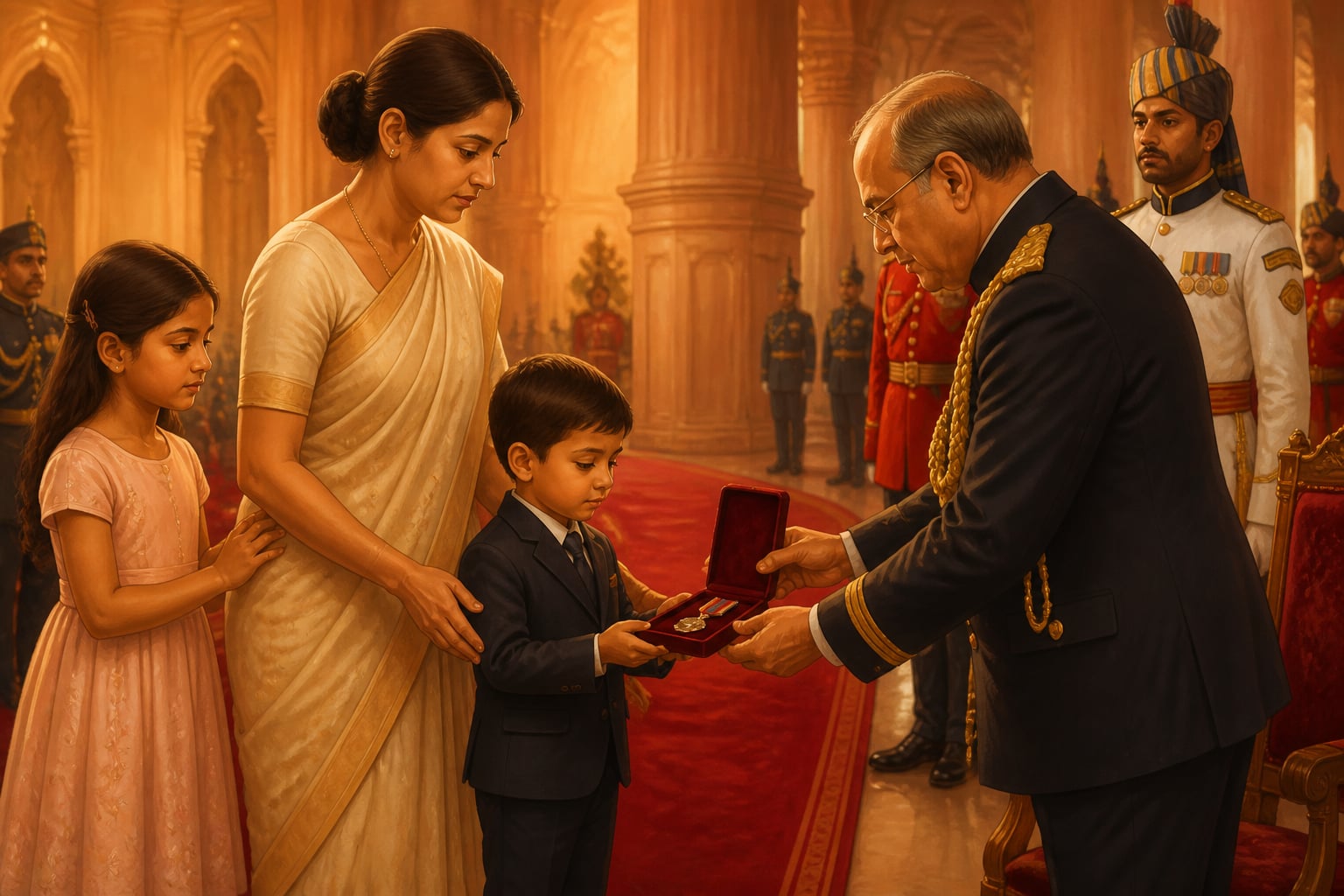
He leaves behind his wife Santoshi and two children - 9-year-old daughter Abhigna and 5-year-old son Anirudh. His mother Manjula said: "I am proud of my son. He died for the nation."
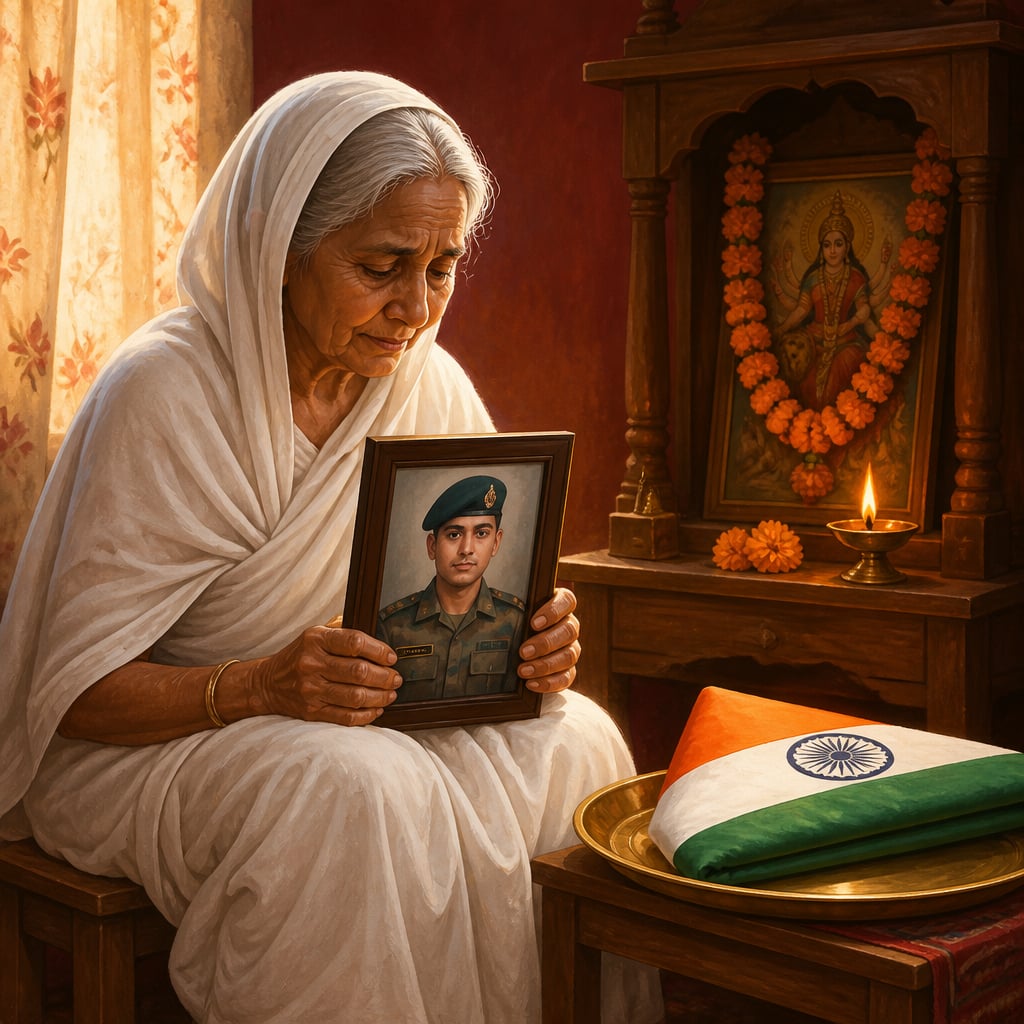
The Gallantry Award Recipients
2. Naib Subedar Nuduram Soren, VrC (Posthumous) 16 Bihar Regiment | Age: 36 | From: Mayurbhanj, Odisha
A Santhal tribal from the forests of Odisha. Nuduram Soren joined the Army to escape poverty, but found purpose in service. At Galwan, he fought beside his commanding officer, battling Chinese soldiers with bare hands. He was awarded the Vir Chakra, India's third-highest wartime gallantry award.
He leaves behind his wife and two daughters. The village of Raipur in Mayurbhanj district mourned their hero.
3. Havildar K. Palani, VrC (Posthumous) 16 Bihar Regiment | Age: 41 | From: Ramanathapuram, Tamil Nadu
Kadampuliyur Palani was from a fishing village in Tamil Nadu. The eldest of five siblings, he joined the Army at 18 and served for 23 years. At Galwan, he fought with the courage that earned him the Vir Chakra.
His wife Vanathi and son Harish remember a devoted father who called home every week without fail.
4. Naik Deepak Singh, VrC (Posthumous) 16 Bihar Regiment | Age: 28 | From: Rewa, Madhya Pradesh
Deepak Singh was known for his physical strength and cheerful demeanor. His comrades called him "Pehalwan" (wrestler). At Galwan, he lived up to the nickname, fighting multiple Chinese soldiers in hand-to-hand combat.
His wife was pregnant when he died. His son was born after his martyrdom, never to meet his father.
5. Sepoy Gurtej Singh, VrC (Posthumous) 3 Punjab Regiment | Age: 22 | From: Mansa, Punjab
The youngest among the gallantry award recipients. Gurtej Singh had served only two years when he gave his life at Galwan. Despite his youth, he fought with such valor that he was awarded the Vir Chakra.
From a farming family in Punjab, he had joined the Army to serve the nation. His mother still keeps his room exactly as he left it.
The Heroes from Bihar
6. Havildar Sunil Kumar 16 Bihar Regiment | Age: 33 | From: Patna, Bihar
Sunil Kumar was a veteran of multiple deployments, including counter-insurgency operations in Kashmir. At Galwan, he stood with his commanding officer to the end.
7. Sepoy Chandan Kumar 16 Bihar Regiment | Age: 27 | From: Bhojpur, Bihar
From a village where Army service is a tradition, Chandan Kumar followed his father into uniform. He died defending the same land his father had guarded decades before.
8. Sepoy Jai Kishore Singh 16 Bihar Regiment | Age: 30 | From: Vaishali, Bihar
Jai Kishore Singh had recently been promoted. He had called his wife just hours before the clash, promising to return soon. He never did.
9. Sepoy Aman Kumar 16 Bihar Regiment | Age: 25 | From: Samastipur, Bihar
Aman Kumar had joined the Army just three years before Galwan. His parents had hoped he would have a long career. Instead, he gave everything in one night.
10. Sepoy Kundan Kumar 16 Bihar Regiment | Age: 24 | From: Munger, Bihar
Kundan Kumar was known for his quiet dedication. He rarely sought attention but always did his duty. At Galwan, duty demanded the ultimate price.
11. Sepoy Ganesh Hansda 16 Bihar Regiment | Age: 32 | From: Sahibganj, Jharkhand
A Santhal tribal like Nuduram Soren, Ganesh Hansda came from one of India's most marginalized communities. In the Army, he found equality and purpose.
The Heroes from Punjab
12. Naib Subedar Satnam Singh 3 Punjab Regiment | Age: 38 | From: Gurdaspur, Punjab
Satnam Singh was a decorated soldier with 18 years of service. A Sikh from the land of warriors, he upheld the traditions of his ancestors at Galwan.
13. Naib Subedar Mandeep Singh 16 Bihar Regiment | Age: 35 | From: Patiala, Punjab
Mandeep Singh had served in multiple high-altitude deployments. The cold of Galwan was familiar; the treachery was not. He fought anyway.
14. Sepoy Gurbinder Singh 3 Punjab Regiment | Age: 24 | From: Sangrur, Punjab
Gurbinder Singh was engaged to be married. His fiancée waits for a wedding that will never happen. His sacrifice left a family shattered but proud.
The Heroes from West Bengal and the East
15. Havildar Bipul Roy 16 Bihar Regiment | Age: 35 | From: Alipurduar, West Bengal
Bipul Roy was from the tea gardens of North Bengal. He had served 15 years and was looking forward to retirement. Galwan had other plans.
16. Sepoy Rajesh Orang 16 Bihar Regiment | Age: 28 | From: Cooch Behar, West Bengal
An Orang tribal from the foothills of the Himalayas. Rajesh had grown up seeing the mountains; he died defending them.
17. Sepoy Ankush Thakur 16 Bihar Regiment | Age: 24 | From: Hamirpur, Himachal Pradesh
From the hill state that has given India so many soldiers, Ankush Thakur continued a proud tradition. His village mourned a son who died too young.
The Heroes from Across India
18. Sepoy K.K. Ojha 16 Bihar Regiment | Age: 29 | From: Gorakhpur, Uttar Pradesh
Krishna Kumar Ojha was from eastern UP, a region with deep military traditions. He upheld those traditions at Galwan.
19. Sepoy Gurucharan Singh 3 Punjab Regiment | Age: 27 | From: Kapurthala, Punjab
Gurucharan Singh had dreamed of Army service since childhood. He achieved that dream, and gave his life for it.
20. Sepoy Chandrakanta Pradhan 16 Bihar Regiment | Age: 26 | From: Kandhamal, Odisha
From the tribal heartland of Odisha, Chandrakanta Pradhan joined the Army to see the world. He saw the frozen heights of Ladakh, and there he fell.
They Came from Every Corner
Look at where these 20 men came from:
- Tamil Nadu: The fishing villages of Ramanathapuram
- Telangana: The towns of Suryapet
- Odisha: The tribal forests of Mayurbhanj and Kandhamal
- Bihar: Villages across Patna, Bhojpur, Vaishali, Samastipur, Munger
- Jharkhand: The Santhal heartland of Sahibganj
- Punjab: Farming communities of Mansa, Gurdaspur, Patiala, Sangrur, Kapurthala
- West Bengal: Tea gardens of Alipurduar and Cooch Behar
- Himachal Pradesh: The hill villages of Hamirpur
- Uttar Pradesh: The plains of Gorakhpur
- Madhya Pradesh: The towns of Rewa
This is what India looks like. A Tamil fighting alongside a Punjabi. A Santhal tribal standing with a Brahmin. A fisherman's son next to a farmer's son. In the Indian Army, caste and region dissolve. Only duty remains.
What They Left Behind

These 20 men left behind:
- Parents who raised them, often in poverty, always with hope
- Wives who now face life alone, some with children to raise
- Children who will grow up with only photographs of their fathers
- Villages that lost their proudest sons
- Regiments that lost brothers
The government provided compensation, jobs for next of kin, educational support for children. But no money can replace a father. No job can bring back a husband. The families of Galwan carry a burden that cannot be measured.
Their Legacy Lives On
Across India, schools and roads have been named after the Galwan martyrs. Statues have been erected in their villages. Their children receive scholarships. Their stories are told.
But the greatest legacy is this: because of them, India woke up. Because 20 men refused to step back, refused to surrender, refused to let Chinese aggression go unpunished, India deployed 50,000 troops to the LAC. India built roads and tunnels that should have been built decades ago. India began to treat China as the adversary it always was.
The 20 of Galwan did not die in vain. They died so that millions of Indians could live in security. They died so that the next generation would not face the same treachery unprepared.
Remember Their Names
| # | Rank | Name | Award | State |
|---|---|---|---|---|
| 1 | Colonel | Bikumalla Santosh Babu | MVC | Telangana |
| 2 | Nb Subedar | Nuduram Soren | VrC | Odisha |
| 3 | Havildar | K. Palani | VrC | Tamil Nadu |
| 4 | Naik | Deepak Singh | VrC | Madhya Pradesh |
| 5 | Sepoy | Gurtej Singh | VrC | Punjab |
| 6 | Havildar | Sunil Kumar | - | Bihar |
| 7 | Sepoy | Chandan Kumar | - | Bihar |
| 8 | Sepoy | Jai Kishore Singh | - | Bihar |
| 9 | Sepoy | Aman Kumar | - | Bihar |
| 10 | Sepoy | Kundan Kumar | - | Bihar |
| 11 | Sepoy | Ganesh Hansda | - | Jharkhand |
| 12 | Nb Subedar | Satnam Singh | - | Punjab |
| 13 | Nb Subedar | Mandeep Singh | - | Punjab |
| 14 | Sepoy | Gurbinder Singh | - | Punjab |
| 15 | Havildar | Bipul Roy | - | West Bengal |
| 16 | Sepoy | Rajesh Orang | - | West Bengal |
| 17 | Sepoy | Ankush Thakur | - | Himachal Pradesh |
| 18 | Sepoy | K.K. Ojha | - | Uttar Pradesh |
| 19 | Sepoy | Gurucharan Singh | - | Punjab |
| 20 | Sepoy | Chandrakanta Pradhan | - | Odisha |
Twenty names. Twenty lives. Twenty sacrifices.
Remember them.
Key figures
Naib Subedar Nuduram Soren
Havildar K. Palani
The Families of Galwan
Case studies
Unity in Diversity
You are in a team with people from completely different backgrounds - different languages, religions, regions. How do you function as one unit?
Common purpose transcends differences. When people are united by a mission larger than themselves, divisions disappear.
Modern workplaces increasingly recognize that diverse teams outperform homogeneous ones. McKinsey research consistently shows that companies in the top quartile for ethnic diversity are 36% more likely to outperform their peers financially. Unity through diversity is not just a moral ideal. It is a competitive advantage.
The Weight of Names
A tragedy occurs. Do you report statistics ('20 dead') or do you name each victim individually? Why does it matter?
Behind every number is a person. Honoring individuals by name preserves their memory and dignity.
The difference between reporting '500 layoffs' and naming the people affected changes how organizations process loss. Memorial walls with individual names, personalized obituaries, and victim-centered journalism all honor this principle: statistics inform the mind, but names move the heart.
Historical context
The Galwan Martyrs
Reflection
- Why is it important to remember the names of fallen soldiers, rather than just the number?
- The Galwan martyrs came from every corner of India. What does this tell us about national unity?
- How can we support the families of fallen soldiers beyond government compensation?