The Naga Warrior
Captain Neikezhakuo Kenguruse - From the Northeast to Kargil
Captain Kenguruse was from Nagaland - the Northeast rarely makes national headlines in war stories. He led the assault on Lone Hill with 2 Rajputana Rifles, climbing cliffs under fire. Heroes come from every corner of India. His story bridges India's diversity.
A Warrior from the Hills of Nagaland
When most Indians think of Kargil heroes, they picture soldiers from Punjab, Rajasthan, or Uttar Pradesh. They rarely think of Nagaland - the distant northeastern state known more for its tribal culture than its military traditions.
Captain Neikezhakuo Kenguruse was about to change that.
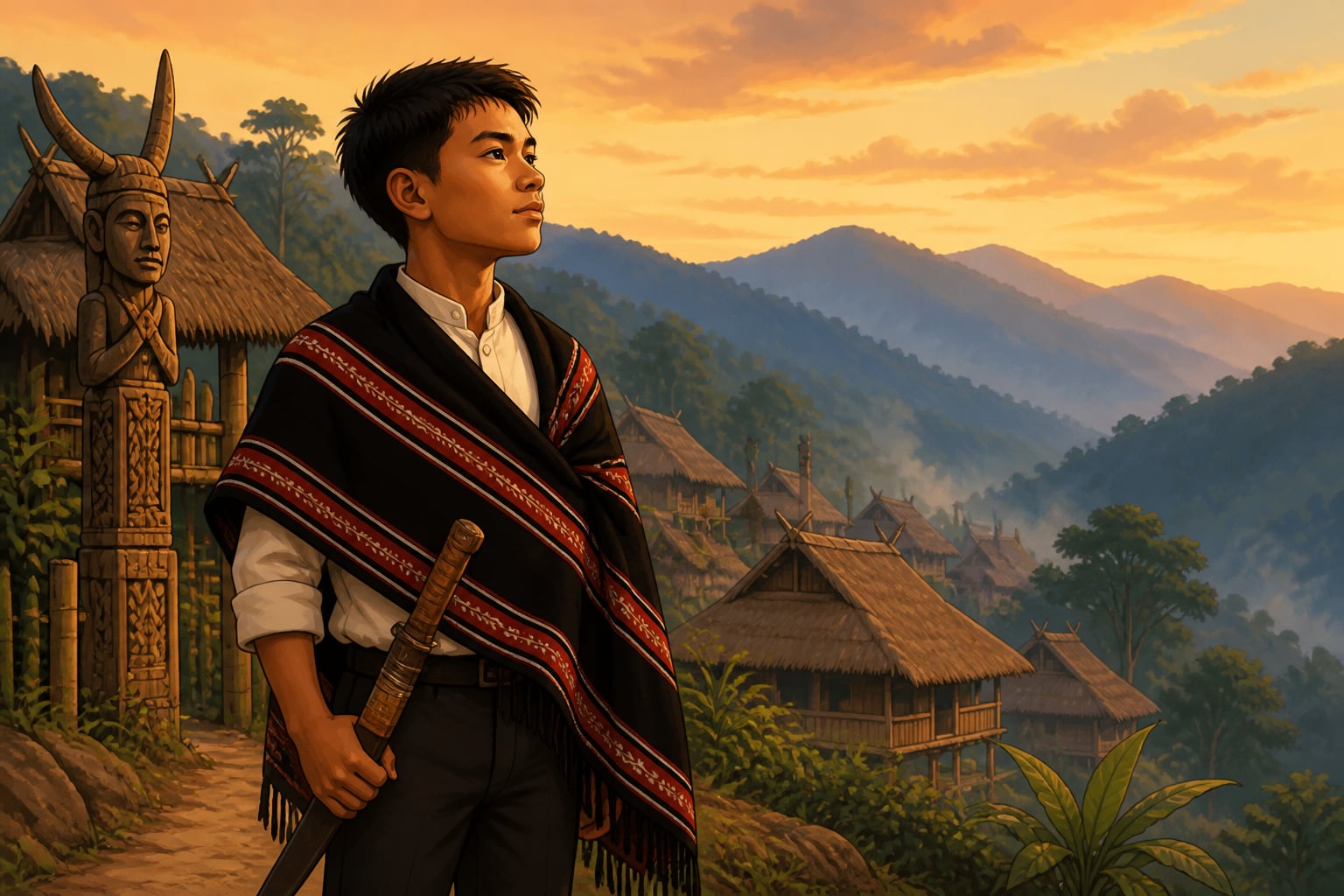
Born in Khezakenoma village in Kohima district, Nagaland, Kenguruse grew up in a land of warriors. The Naga tribes have a fierce martial tradition stretching back centuries. His people were headhunters not long ago - courage runs in their blood.
When Kenguruse joined the Indian Army and was commissioned into 2 Rajputana Rifles, he brought that warrior heritage with him. He would prove that heroes come from every corner of India.
The Rajput-Naga Brotherhood
The Indian Army's regimental system creates unique bonds. A Naga officer serving with Rajput soldiers might seem unusual, but the army has a way of transcending regional identities. What matters is not where you come from, but whether you can fight.
Captain Kenguruse earned the absolute loyalty of his Rajput troops. They saw in him the same warrior spirit that defined their own traditions. The Rajputs have a saying: "Rani kahegi laash lao, Raja kahega toh sar lao" (If the queen says bring the body, if the king says bring the head). Kenguruse embodied this fearlessness.
By the summer of 1999, when Pakistani intruders occupied peaks along the Line of Control, Captain Kenguruse and his men were ready.
The Assault on Lone Hill
Lone Hill in the Batalik sector lived up to its name. Isolated, heavily fortified, it dominated the surrounding terrain. Pakistani soldiers had constructed bunkers with clear fields of fire. Any assault would be suicidal.
Captain Kenguruse didn't care about the odds. On June 28, 1999, he led his company in the assault.
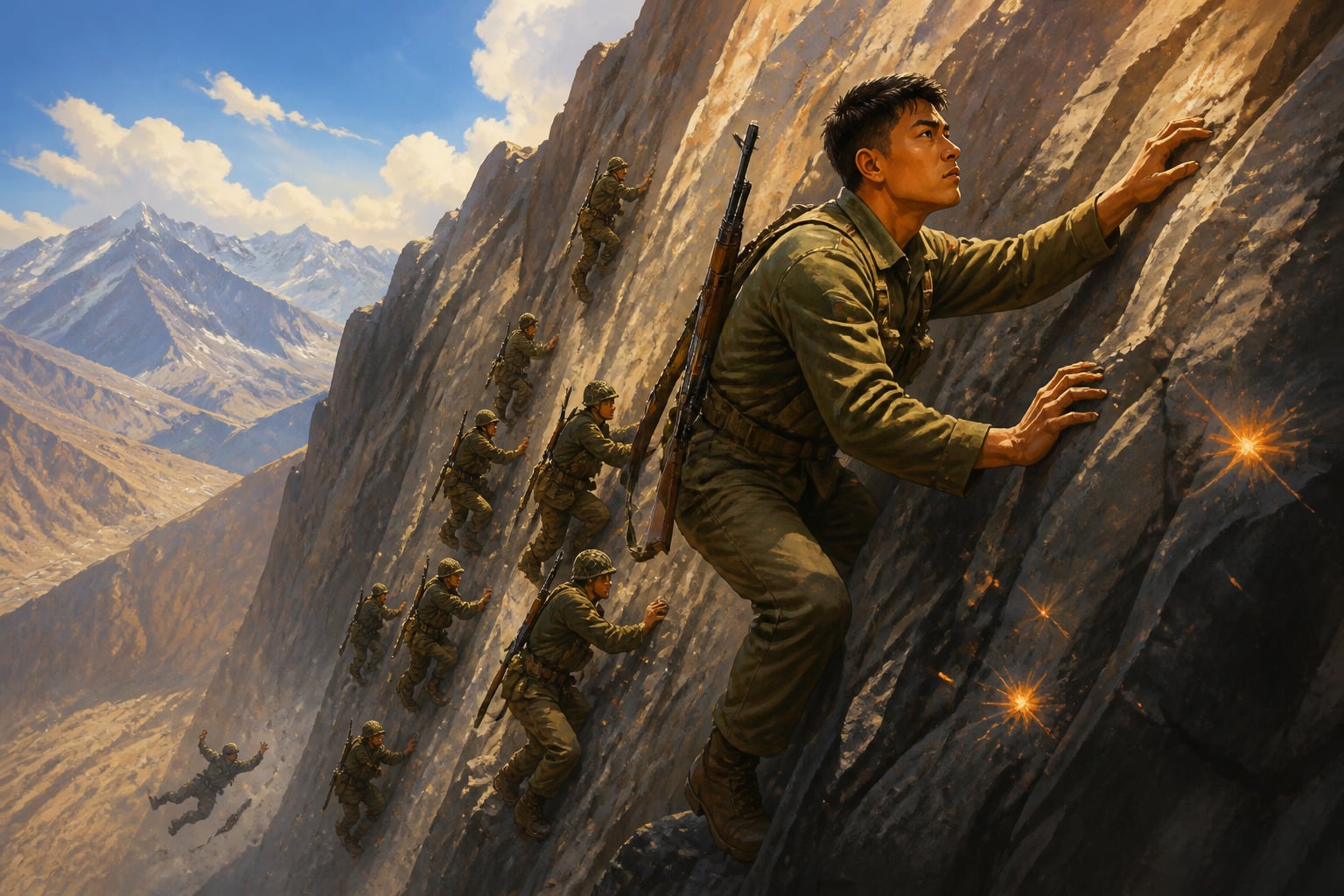
The approach required climbing near-vertical cliffs under enemy fire. Bullets whipped past as Kenguruse led from the front, finding handholds in the rock, pulling himself up foot by foot. His men followed, watching their officer risk his life with every movement.
Into the Bunkers
Reaching the enemy positions, Captain Kenguruse didn't wait for his company to assemble. He charged the first bunker alone, lobbing grenades and following up with automatic fire. The bunker fell.

He moved to the next position, then the next. Each time, he was the first man in. His Rajput soldiers, inspired by their Naga commander, fought with equal ferocity.
The enemy had expected the terrain to protect them. They hadn't expected a warrior who treated vertical cliffs as minor obstacles and bunkers as opportunities.
The Fatal Wound
As Captain Kenguruse cleared yet another enemy position, a burst of automatic fire caught him. He was hit but continued directing his men, refusing to stop until the position was secure.
The assault succeeded. Lone Hill fell to India. But Captain Neikezhakuo Kenguruse would not survive his wounds. He died as he had lived - at the front of his men, in the middle of battle.
He was 28 years old.
The Maha Vir Chakra
Captain Kenguruse was awarded the Maha Vir Chakra posthumously - India's second-highest wartime gallantry award. His citation praised his "inspiring leadership, raw courage and supreme sacrifice."
But the award meant more than personal recognition. It showed all of India that heroism knows no regional boundaries. A Naga officer leading Rajput soldiers in the mountains of Ladakh - this is what India is.
A Bridge Across India
The Northeast has often felt distant from mainland India. Insurgencies, geographic isolation, and cultural differences have sometimes created a sense of separation. Captain Kenguruse's sacrifice helped bridge that gap.
His story proved that when the nation calls, soldiers come from every corner - from the deserts of Rajasthan to the hills of Nagaland, from the plains of Punjab to the forests of Jharkhand. The Indian Army doesn't see regions; it sees soldiers.
In Kohima, Nagaland, Captain Kenguruse is remembered as a son who brought honor to his people. In the rest of India, he is remembered as proof that the nation's strength lies in its diversity.
The Naga Warrior Tradition
The Nagas have been warriors for as long as anyone can remember. Their martial culture, once expressed through inter-tribal conflicts, now finds its highest expression in defending the nation. Captain Kenguruse joined a long line of Naga soldiers who have served with distinction in the Indian military.
The Naga Regiment, raised in 1970, has earned battle honors across multiple conflicts. Captain Kenguruse, though serving with the Rajputana Rifles, embodied this tradition perfectly. He proved that the Naga warrior spirit is as relevant in modern warfare as it was in the hills of Nagaland centuries ago.
Key figures
Captain Neikezhakuo Kenguruse, MVC
1971-1999
2 Rajputana Rifles
Raised 1775, continues to present
Case studies
Leading Soldiers from a Different Culture
A young Naga officer from the hills of Nagaland is commissioned into a Rajput regiment. His soldiers come from a completely different cultural background - different language, different traditions, different food. How does he earn their respect and loyalty?
Global companies increasingly value leaders who can manage culturally diverse teams. A Naga officer leading Rajput soldiers is not unlike a Japanese executive leading an American team, or an Indian CTO managing engineers across five countries. Competence and genuine care for your people transcend every cultural boundary.
The Northeast and National Integration
The Northeast has often felt distant from mainland India. Insurgencies, geographic isolation, and cultural differences have sometimes created a sense of separation. When Captain Kenguruse died at Kargil, he became a symbol of something larger than himself.
India's strength in international sports, technology, and business comes from its diversity. ISRO's Chandrayaan team included engineers from over 15 states. The Indian cricket team's power comes from players representing every region. Shared achievement is the strongest glue for national unity.
Historical context
Kargil War, May-July 1999
Living traditions
- Naga Warrior Festivals: The Hornbill Festival and other Naga celebrations feature traditional warrior dances and ceremonies that honor the martial spirit. Captain Kenguruse's story has become part of this celebration of Naga courage.
Reflection
- Captain Kenguruse was a Naga officer leading Rajput soldiers. What does his ability to earn their respect tell us about what truly matters in leadership?
- India's diversity is sometimes seen as a weakness. How does Captain Kenguruse's story prove it can be a strength?
- The Northeast often feels distant from the national conversation. What can we do to better recognize and celebrate the contributions of northeastern Indians like Captain Kenguruse?