शिक्षा और ज्ञान का विनाश
मैकॉले की फरमान, गुरुकुल का विनाश, और शिक्षा से धर्म का अलगाव
औपनिवेशिकता से पहले भारत के पास दुनिया की सबसे परिष्कृत विकेंद्रीकृत शिक्षा व्यवस्थाओं में से एक थी. यह पाठ उस व्यवस्था के जान-बूझकर तीन-चरणीय विनाश को ट्रेस करता है - अवमान, निधि वापसी, और प्रतिस्थापन के माध्यम से - और पता लगाता है कि शिक्षा से धर्म को अलग करना सबसे गहरा घाव क्यों था.
आज इसे देखो: अदृश्य विच्छेदन
IIT बॉम्बे का एक इंजीनियरिंग छात्र फूरियर ट्रांसफॉर्म derive कर सकता है लेकिन संगमग्राम के माधव के बारे में कभी नहीं सुना - वह 14वीं सदी के केरल गणितज्ञ जिन्होंने न्यूटन और लाइबनिज़ से 300 साल पहले त्रिकोणमितीय फलनों के अनंत श्रृंखला की खोज की. AIIMS का एक चिकित्सा छात्र शरीर की हर हड्डी का नाम लैटिन में बता सकता है लेकिन चरक द्वारा दो हज़ार साल पहले codified आयुर्वेद की आठ शाखाओं के नाम नहीं जानता. दिल्ली विश्वविद्यालय का एक साहित्य छात्र शेक्सपियर के sonnets का विस्तार से विश्लेषण कर सकता है लेकिन कालिदास के एक भी श्लोक को मूल संस्कृत में कभी नहीं पढ़ा.
यह accidental अज्ञानता नहीं है. यह एक 190 साल पुरानी engineering project का परिणाम है.
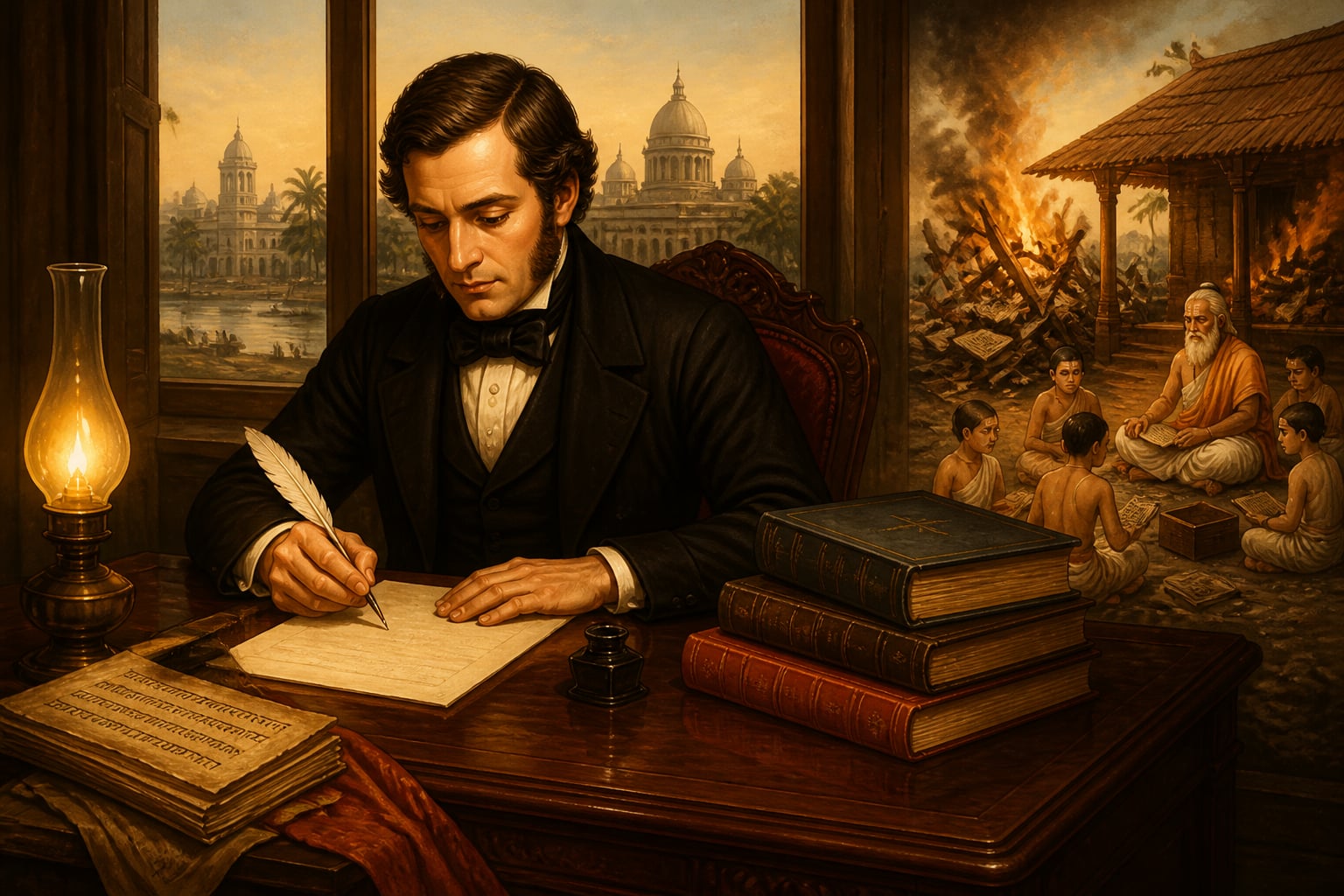
1835 में, एक 34 साल का ब्रिटिश राजनेता थॉमस बेबिंगटन मैकॉले कलकत्ता में बैठा और एक दस्तावेज़ तैयार किया जो एक पूरी सभ्यता को उसके ज्ञान प्रणालियों से काट देगा. उसकी शिक्षा की मिनट ने केवल यह नहीं बदला कि भारतीय छात्र किस भाषा में पढ़ेंगे. इसने फिर से परिभाषित किया कि क्या ज्ञान था, कौन शिक्षित था, और एक पूरी सभ्यता को अपने बारे में क्या याद रखने दिया जाएगा.
भारतीय शिक्षा का विनाश एक ऐतिहासिक footnote नहीं है. यह औपनिवेशिक परियोजना का मूल घाव है. इस पाठ्यक्रम में देखे गए हर दूसरे दोष - जाति का कठोर बन जाना, ऐतिहासिक विकृति, संस्थागत कब्ज़ा, मनोवैज्ञानिक औपनिवेशिकता - संभव था क्योंकि ज्ञान प्रणाली जो उनका विरोध कर सकती थी, पहले ही तोड़ दी गई थी.
तुम उसे defend नहीं कर सकते जिसे तुम याद नहीं रखते. और औपनिवेशिकता ने सबसे पहले स्मृति पर हमला किया.
तंत्र: शिक्षा विनाश के तीन चरण
भारत की शिक्षा प्रणाली का विनाश एक ही नाटकीय घटना में नहीं हुआ. यह दशकों में एक सटीक तीन-चरणीय रणनीति के माध्यम से खुला: अवमान करो, funds हटाओ, बदलो. यह तंत्र समझना जरूरी है क्योंकि यह template है जो colonized दुनिया भर में लागू किया गया है.
चरण एक: अवमान (1780s-1835)
शिक्षा प्रणाली को destroy करने से पहले, तुम्हें लोगों को यह convince करना चाहिए कि इसका कोई मूल्य नहीं है. ब्रिटिशों ने एक sustained intelĺectual campaign के माध्यम से यह किया जिसने हज़ारों साल के भारतीय scholarship को superstition, पौराणिकता, और पिछड़ापन में फिर से तैयार किया.
शुरुआती ब्रिटिश Orientalists जैसे विलियम जोन्स और हेनरी थॉमस कोलब्रुक को संस्कृत learning के लिए genuine सम्मान था, भले ही patronizing हो. जोन्स ने संस्कृत, ग्रीक, और लैटिन के बीच structural similarities नोट किए. लेकिन 1820s तक, एक नया faction प्रभाव में था: Anglicists, Charles Grant और James Mill जैसे figures के नेतृत्व में.
जेम्स मिल की "History of British India" (1817) विशेष रूप से devastating थी. मिल, जो भारत कभी नहीं गया और कोई भारतीय भाषा नहीं जानता था, एक comprehensive history लिखी जिसने भारतीय सभ्यता को "rude" और "backward" के रूप में classify किया. उसका काम Haileybury College में standard textbook बना गया, जहाँ East India Company के officers को train किया जाता था. 1820s के बाद से हर ब्रिटिश administrator जो भारत आया, उसे सिखाया गया था कि भारतीय ज्ञान प्रणालियाँ worthless हैं.
मैकॉले की 1835 की Minute इस अवमान का culmination था. उसके शब्द पढ़ने के लायक हैं क्योंकि वे रणनीति को reveal करते हैं: "मेरे पास न तो संस्कृत की जानकारी है और न ही अरबी की. लेकिन मैंने जो कर सका करने की कोशिश की... मैंने कभी किसी को नहीं पाया जो यह deny कर सकते कि एक अच्छी European library की एक single shelf भारत और अरब के पूरे native literature के बराबर थी."
तकनीक पर ध्यान दो. एक आदमी जो admit करता है कि वह जिस literature का evaluate कर रहा है उसे नहीं पढ़ सकता, उसे worthless declare करता है unnamed informants की राय के आधार पर. यह scholarship नहीं है. यह epistemic warfare है. और यह काम किया क्योंकि colonial state का authority इसके पीछे था.
मैकॉले अपने goal के बारे में स्पष्ट था: "हमें इस समय एक class बनाने की कोशिश करनी चाहिए जो हमारे और लाखों लोगों के बीच interpreters हो सकें जिन पर हम शासन करते हैं; भारतीय blood और color में लोग, लेकिन English taste, opinions, morals, और intellect में." उद्देश्य शिक्षा नहीं था. यह एक collaborator class का निर्माण था जो अपनी सभ्यता से सांस्कृतिक रूप से alienated होते हुए Britain की ओर से भारत को administer करेगी.
चरण दो: Defund (1835-1854)
अवमान अकेले उस प्रणाली को नहीं मार सकता था जो हज़ारों साल से decentralized community patronage पर survived थी. दूसरा चरण economic strangulation था.
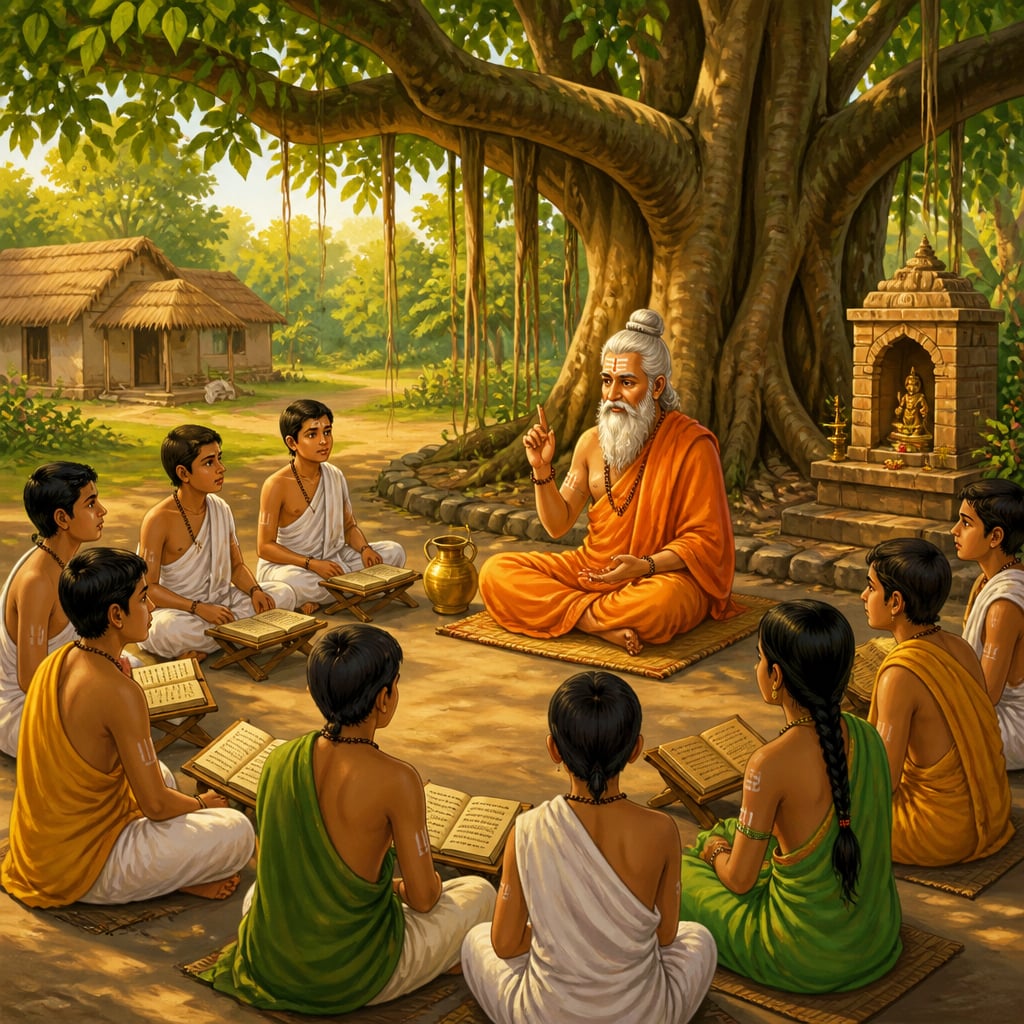
लॉर्ड विलियम बेंटिंक की English Education Act 1835, मैकॉले की Minute की strength पर pass हुई, government शिक्षा funds को exclusively English-medium instruction की ओर redirect किया. रातों-रात, state ने Sanskrit pathshalas, Persian madrasas, और indigenous schools को abandon कर दिया जो पूरे subcontinent में चल रहे थे.
लेकिन indigenous schools primarily state funding पर depend नहीं करते थे. वे community patronage पर चलते थे: land grants, local donations, और villages और उनके teachers के बीच social contract. Colonial administration ने इस पर भी हमला किया. Revenue settlements जैसे Bengal की Permanent Settlement और Madras की Ryotwari system ने traditional land-grant structures को disrupt किया जो educational institutions को sustain करते थे. जब village revenue systems को maximum extraction के लिए colonial treasury की ओर reorganize किया गया, तो surplus जो local schools को fund करता था, evaporate हो गया.
प्रभाव slow लेकिन devastating था. एक pathshala जो generations के लिए एक छोटे land grant पर चला था, अपना grant नई revenue system द्वारा "resumed" (confiscated) पाया. एक gurukul जो अपने गिर्द के village की prosperity पर depend करता था, village को नई tax demands से impoverished पाया. स्कूलें decree द्वारा बंद नहीं किए गए. वे उस economic ecosystem को starved किया गया जो उन्हें sustained करता था.
चरण तीन: Replace (1854 onwards)
अंतिम चरण एक replacement system का construction था जो colonial administrators को produce करने के लिए design किया गया था, educated human beings नहीं.
सर चार्ल्स वुड की Education Despatch 1854 की, जिसे "Magna Carta of Indian Education" कहा जाता है, ने वह framework स्थापित किया जो अगली सदी के लिए भारतीय शिक्षा को govern करेगा. इसने एक grant-in-aid system बनाया जहाँ government funding किसी भी school को available था, लेकिन केवल अगर वह prescribed English-medium curriculum adopt करे, approved teachers को employ करे, और government inspection के लिए submit हो.
यह bureaucratic kill mechanism था. Indigenous schools जो delegitimization और defunding से survive किए थे, अब एक choice का सामना कर रहे थे: colonial curriculum adopt करो और funding पाओ, या traditional knowledge maintain करो और financial starvation से मरो. ज्यादातर grants के बिना survive नहीं कर सकते थे. जिन्होंने नई system adopt की, वे location के अलावा कुछ और में indigenous schools नहीं रहे.
वुड की Despatch ने Calcutta, Bombay, और Madras (1857) में universities भी स्थापित कीं जो University of London पर model थीं. ये research या original thought के centers नहीं थे. वे examination bodies थे जो British curricula में graduates को certify करती थीं. संदेश स्पष्ट था: legitimate knowledge London से flows होती है. कुछ भी जो London model में fit नहीं होता knowledge ही नहीं थी.
Pattern: वास्तव में क्या Destroyed हुआ
Standard colonial narrative pre-British India को educationally backward के रूप में present करती है, knowledge को Brahmin elites तक limited करते हुए और masses को ignorance में wallowing करते हुए. यह narrative replacement system को justify करने के लिए essential था. यह भी एक झूठ था.
1983 में, Gandhian historian धर्मपाल ने "The Beautiful Tree" publish किया, एक landmark work जिसने भारत की pre-colonial शिक्षा प्रणाली के बारे में suppressed British survey data को recover किया. शीर्षक महात्मा गांधी के indigenous education system के "beautiful tree" के description से आता है जो British द्वारा destroyed था.
धर्मपाल के सबसे explosive findings William Adam की तीन reports (1835, 1836, 1838) से आए, जो Bengal और Bihar में indigenous education पर थीं. Adam, एक Scottish missionary, colonial government द्वारा commission किया गया था existing schools को survey करने के लिए. उसके findings इतने inconvenient थे कि वे एक सदी से अधिक के लिए suppressed थे.
Adam ने Bengal और Bihar अकेले में approximately 100,000 indigenous schools पाए. पूरे भारत तक extrapolate करते हुए, धर्मपाल ने estimated किया कि पूरे subcontinent में 700,000 से 1,000,000 schools थे. Madras Presidency में, Thomas Munro की survey (1822-1826) ने पाया कि हर village जो किसी भी size की थी, कम से कम एक school था, और बहुत सारों के कई थे.
छात्र composition विशेष रूप से significant था. Adam के data ने दिखाया कि तथाकथित "lower caste" छात्र छात्र body का एक substantial portion comprise करते थे, विभिन्न districts में एक-तिहाई से एक-आधे से अधिक तक. Brahmin educational monopoly की colonial myth colonizers के अपने data द्वारा contradicted थी.
ये primitive institutions नहीं थे. Indigenous schools ने एक structured curriculum पढ़ाया जिसमें reading, writing, arithmetic, accounting, और depending on the institution, grammar (Vyakarana), logic (Nyaya), astronomy (Jyotisha), mathematics (Ganita), medicine (Ayurveda), metallurgy (Dhatuvada), architecture (Vastu Shastra), और दर्जनों अन्य specialized disciplines शामिल थे. Higher learning institutions जैसे Bengal के tols और Banaras के pathshalas ने rigorous multi-year curricula maintain किए जो depth में European universities के तुलनीय थे.
लेकिन भारतीय शिक्षा की सबसे significant feature इसकी breadth of subjects नहीं थी. यह Dharma के साथ इसका integration था. शिक्षा केवल information का transmission नहीं था. यह character का formation था. Guru-shishya relationship teacher और consumer के बीच एक commercial transaction नहीं था. यह एक sacred bond था जिसमें guru ने छात्र के complete development की responsibility accept की: intellectual, moral, और spiritual.
यह है जो मैकॉले की प्रणाली सबसे thoroughly destroyed किया. Replacement system ने knowledge को wisdom से, information को character से, और शिक्षा को Dharma से अलग किया. एक छात्र अब facts को accumulate कर सकता था बिना discernment develop किए. credentials earn कर सकता था बिना virtue cultivate किए. techniques को master कर सकता था बिना उनके purpose को समझे.
Dharma को शिक्षा से अलग करना modernization का byproduct नहीं था. यह deliberate strategy था. एक शिक्षा प्रणाली जो Dharmic principles में rooted है, individuals को produce करती है जो independently think करते हैं, authority को question करते हैं first principles के आधार पर, और civilizational loyalty maintain करते हैं. एक colonial शिक्षा प्रणाली को compliant administrators चाहिए जो colonial rule की legitimacy को accept करें. Dharma शिक्षा में एक obstacle था colonial control के लिए, तो इसे remove किया गया.
Dharmic Wisdom: Sa Vidya Ya Vimuktaye
Vishnu Purana में शिक्षा की एक definition है जो ठीक से reveal करती है कि क्या lost हुआ: "Sa Vidya Ya Vimuktaye" - वह knowledge जो liberates करती है.
Dharmic framework में, Vidya (knowledge) information का accumulation नहीं है. यह ignorance को progressive removal है जो एक human being को limited identity और suffering से bind करती है. शिक्षा एक commercial product नहीं है जो earning capacity बढ़ाती है. यह fundamental process है जिससे एक human being अपनी full potential को realize करता है.
Taittiriya Upanishad एक graduating student को guru का final instruction prescribe करती है: "Satyam vada. Dharmam chara." Truth बोलो. Dharma में चलो. Convocation address career prospects के बारे में नहीं है. यह कैसे live करें इसके बारे में है.
यह मैकॉले के stated purpose के साथ total contrast में है: एक class बनाना "blood और color में Indian, लेकिन taste, opinions, morals, और intellect में English." Dharmic system छात्र को अधिक fully themselves बनाने का aim रखती था. Colonial system छात्र को completely someone else में बनाने का aim रखती था.
Arthashastra, characteristically practical, शिक्षा को directly civilizational survival से link करती है. Kautilya настajवाह करते हैं कि king का primary duty (Raksha) knowledge systems को protect करना include करता है, क्योंकि एक civilization जो अपना Vidya Parampara (knowledge traditions) loses करती है, अपनी culture को reproduce करने की ability lose करती है. Educational disruption के एक generation में, civilizational immune system fail होना शुरू कर देता है.
यह ठीक वही है जो हुआ. मैकॉले की system के दो generations के भीतर, भारतीय elite ने colonial framework को internalize किया. उन्होंने अपनी सभ्यता को colonial eyes से देखा. उन्होंने अपनी traditions को colonial criteria से evaluate किया. वे बन गए, जैसा मैकॉले intended था, Indians जो Englishmen की तरह सोचते थे. यह नहीं कि वे stupid थे, लेकिन क्योंकि शिक्षा system जो उन्हें एक different framework दिया होता, destroyed किया गया था.
Counter-Example: Japan का Meiji Restoration
Standard colonial apology दावा करती है कि Indian शिक्षा का विनाश modernization की एक necessary cost था. Western science, technology, और industrial methods acquire करने के लिए, traditional systems को replace करना पड़ा. यह argument collapse हो जाता है जब तुम Japan को examine करते हो.
1868 में, Japan एक feudal society था जो deliberately Tokugawa shogunate के तहत दो सदियों से अधिक के लिए isolated था. जब Meiji Restoration ने Japan को modernization के लिए open किया, देश को India जैसी ही challenge का सामना करना पड़ा: कैसे Western knowledge acquire करें बिना civilizational identity खोए.
Japan का जवाब colonial model के opposite था. Meiji government ने aggressively Western science, technology, और industrial methods import किए. उन्होंने Europe और America में study करने के लिए students भेजे. उन्होंने foreign experts ("oyatoi gaikokujin") को Western techniques सिखाने के लिए hire किया. उन्होंने thousands Western technical works को Japanese में translate किया.
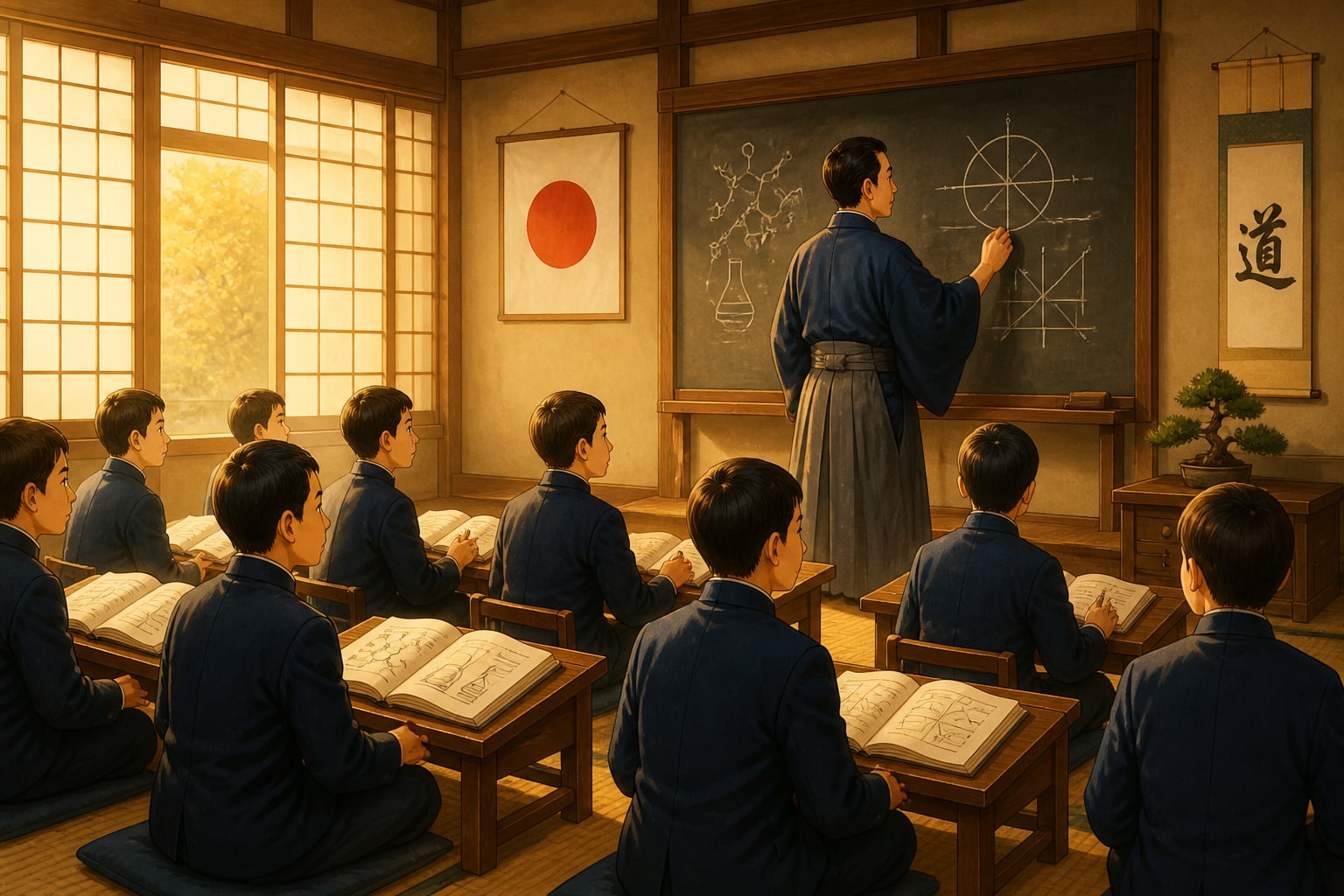
लेकिन वे सब कुछ करते हुए instruction का medium Japanese में रखा. उन्होंने traditional ethics education (shushin) को curriculum के core component के रूप में maintain किया. उन्होंने classical Japanese और Chinese texts के study को preserve किया. उन्होंने ensure किया कि modernization civilizational identity को replace करने की जगह strengthen करे.
Imperial Rescript on Education (1890) ने यह explicit किया: modern शिक्षा traditional Japanese values के foundation पर built होगी - loyalty, filial piety, public spirit, और learning की pursuit. Western knowledge एक tool था जो master किया जाए, एक identity जो adopt किया जाए.
नतीजा dramatic था. 40 सालों में, Japan एक feudal society से एक modern industrial power में transform हो गया जिसने एक European empire (Russia, 1905) को defeat किया. इसने यह accomplish किया बिना एक deracinated elite के जो अपनी सभ्यता से despise करे. Japanese scientists, engineers, और administrators thoroughly modern अपनी technical capabilities में थे और thoroughly Japanese अपनी civilizational identity में.
यह proves करता है कि Indian शिक्षा का विनाश modernization की requirement नहीं था. यह colonization की requirement था. भारत को अपनी knowledge systems को नई systems प्राप्त करने के लिए lose नहीं करना था. Japan proved किया कि एक civilization modernize कर सकती है बिना epistemic suicide किए.
अंतर sovereignty था. Japan modernize किया अपनी terms पर क्योंकि वह fully colonized कभी नहीं हुआ. भारत modernize किया गया British terms पर क्योंकि वह था.
Defense: Knowledge Civilization को Rebuild करना
भारत की शिक्षा प्रणाली का colonial wound केवल historical नहीं है. यह ongoing है. Macaulay और Wood ने जो structures बनाए हैं, वे modified हैं लेकिन fundamentally replace नहीं किए गए हैं. Medium shift हो सकता है, लेकिन Dharma को शिक्षा से अलग करना, Western frameworks को default "universal" standard के रूप में privilege देना, और indigenous knowledge systems का systematic devaluation भारतीय शिक्षा में आज भी persist करते हैं.
Rebuilding को तीन levels पर action की जरूरत है.
Recovery: पहला step जो suppress किया गया था उसे recover करना है. धर्मपाल का काम एक model है. भारत की pre-colonial शिक्षा प्रणाली के बारे में data colonial archives में मौजूद है, suppressed survey reports में, revenue records में जो land grants को document करते हैं educational institutions को. यह data systematically recover किया जाना चाहिए, digitized किया जाना चाहिए, और accessible बनाया जाना चाहिए. तुम उसे rebuild नहीं कर सकते जिसे तुम याद नहीं रखते.
Reintegration: दूसरा step Indian knowledge systems को contemporary शिक्षा में reintegrate करना है. इसका मतलब physics को astrology से replace करना नहीं है. इसका मतलब Madhava को Newton के साथ teach करना है, Charaka को Hippocrates के साथ, Panini को Chomsky के साथ, और Arthashastra को Machiavelli के साथ. गणित, linguistics, medicine, metallurgy, और governance में Indian contributions antiquarian curiosities नहीं हैं. वे intellectual achievements हैं जो किसी भी genuinely universal curriculum में अपनी जगह deserve करते हैं.
Reconnection: सबसे deep step शिक्षा को Dharma के साथ reconnect करना है. narrow sense में religious instruction नहीं, लेकिन foundational sense में: शिक्षा character formation के रूप में, Viveka (discernment) की cultivation के रूप में, जिस process के माध्यम से एक human being civilizational flourishing में contribute करने में capable बनता है. Guru-shishya relationship, knowledge का integration with ethics, यह समझ कि Vidya Vimukti के लिए है (livelihood के लिए नहीं): ये relics नहीं हैं. ये missing foundations हैं जिनके बिना शिक्षा mere credentialism बन जाती है.
Japan से सीख यह है कि modernization और civilizational identity opposites नहीं हैं. भारत के colonial experience से सीख यह है कि जब वे opposites माने जाते हैं, तो civilization generations के लिए pay करती है. मैकॉले ने 1835 में जो घाव inflicted किया, वह heal नहीं हुआ क्योंकि system जो उसने design किया, अपनी essential architecture में, अभी भी वही है जो India आज use करता है.
Healing घाव को clearly देखने से शुरू होता है. यह इस lesson का purpose है.
Case studies
धर्मपाल का Beautiful Tree: भारत के Suppressed Educational History को Recover करना
1960s और 70s में, Gandhian historian धर्मपाल ने British archives में years spend किए colonial survey data को systematically excavate करते हुए जो एक सदी से अधिक के लिए buried था. उनकी सबसे significant discovery थी William Adam की तीन reports (1835, 1836, 1838), Bengal government द्वारा commission की गई indigenous शिक्षा को survey करने के लिए. Adam ने approximately 100,000 schools पाए केवल Bengal और Bihar में, reading, writing, arithmetic, और specialized subjects सिखाते हुए. Thomas Munro की earlier survey (1822-26) ने similar density पाई: हर village में कम से कम एक school था. महत्वपूर्ण रूप से, Adam के data ने दिखाया कि तथाकथित 'lower castes' के students विभिन्न districts में एक-तिहाई से आधे तक छात्र body comprise करते थे, colonial narrative को directly contradict करते हुए Brahmin educational monopoly की. ये findings colonial शिक्षा policy के justification के लिए इतने damaging थे कि वे suppress रहीं जब तक Dharampal ने उन्हें recover नहीं किया.
Arthashastra emphasize करता है कि एक ruler का first duty Raksha (protection) है, जिसमें knowledge systems को protect करना include है. British ने इसे most fundamental level पर violate किया: उन्होंने India की शिक्षा system को survey किया, उसकी sophistication को document किया, और फिर उस documentation को suppress किया बस यह justify करने के लिए कि वह system को destroy करें जिसे उन्होंने अभी prove किया था काम करता है. यह epistemic warfare है its purest form में. Taittiriya Upanishad की warning, 'prajatantum ma vyavacchetsih' (tradition के thread को मत काटो), ठीक describe करती है जो severed हुआ. Thread को ignorance से नहीं break किया गया. इसे deliberately एक administration द्वारा cut किया गया जो जानता था कि वह क्या destroy कर रहा है.
धर्मपाल ने 1983 में 'The Beautiful Tree' publish किया. शीर्षक Gandhi के description से आता है भारत की indigenous शिक्षा का 'beautiful tree' जो British द्वारा destroy किया गया. किताब ने data को recover किया जो show करते हैं कि India के पास colonial intervention से पहले 700,000 से 1,000,000 schools थे, एक decentralized, community-funded system के साथ जो invasions, famines, और political upheaval को centuries के लिए survive किया था. यह system dismantle किया गया न कि क्योंकि यह fail हुआ, लेकिन क्योंकि इसकी success colonial project के लिए inconvenient थी.
सभ्यतागत warfare में सबसे devastating weapon destruction नहीं बल्कि erasure है. British ने India की शिक्षा system को केवल destroy नहीं किया. उन्होंने उसके evidence को erase किया कि वह कभी exist भी करती थी, ताकि भारत की generations को यह विश्वास हो कि उन्हें ignorance से rescue किया गया न कि knowledge से robbed किया गया.
धर्मपाल का method suppressed colonial data को recover करने का civilizational reclamation के लिए एक model है. Similar buried data British archives में exist करता है Indian metallurgy, agriculture, hydraulic engineering, और textile technology के बारे में. Recovery project ने barely शुरुआत की है.
Adam की surveys ने approximately 100,000 indigenous schools को find किया केवल Bengal और Bihar में. सभी India को extrapolate करते हुए, धर्मपाल ने 700,000 से 1,000,000 schools को estimate किया. contrast में, जब British अपनी replacement system को build करना शुरू किया, पूरा colonial शिक्षा apparatus इस संख्या के एक tiny fraction को serve करता था.
1854 की Wood की Despatch: Bureaucratic Kill Mechanism
1854 में, सर चार्ल्स वुड, Board of Control for India के President, ने एक education despatch issue किया जो 'Magna Carta of Indian Education' के रूप में जाना गया. Despatch ने एक grant-in-aid system स्थापित किया जिसके तहत government funding किसी भी school को available थी, लेकिन केवल अगर वह prescribed English-medium curriculum adopt करे, government-approved teachers को employ करे, और official inspection के लिए submit हो. इसने Calcutta, Bombay, और Madras (1857) में universities भी बनाईं जो University of London पर model थीं, examination bodies के रूप में function करते हुए जो British curricula में graduates को certify करती थीं. Despatch ने explicitly indigenous schools को ban नहीं किया. इसने कुछ और effective किया: एक two-tier system बनाया जहाँ government-recognized schools को funding, legitimacy मिली, और उनके graduates को colonial administration में employment मिली, जबकि indigenous schools को कुछ नहीं मिला और उनके graduates को सभी official positions से shut out किया गया.
कौटिल्य Kutayuddha (covert warfare) को describe करता है strategic objectives को achieve करने के रूप में बिना open confrontation के. Wood की Despatch institutional Kutayuddha में एक masterclass है. कोई law ने gurukuls या pathshalas को prohibit नहीं किया. कोई soldiers उन्हें destroy नहीं किए. इसके बजाय, colonial state ने एक economic ecosystem बनाया जिसमें indigenous schools survive नहीं कर सकते. यह Arthashastra के principle को mirror करता है कि Kosha (treasury) और Arthakriya (economic activity) को control करना Danda (force) से ज्यादा effective है. तुम्हें एक institution को destroy करने की ज़रूरत नहीं है जब तुम बस इसके survival को economically impossible बना सकते हो.
decades के भीतर, हज़ारों indigenous schools बंद हुए जब communities ने resources को grant-aided system की ओर redirect किया जो economic returns offer करता था. pathshala teacher जो एक respected community figure था, एक irrelevant anachronism बन गया. 1900 तक, replacement urban areas में near-total था. colonial curriculum, जो clerks और administrators produce करने पर focused था leaders और thinkers नहीं, भारतीय शिक्षा का default model बना गया, एक framework जो modified form में आज तक persist करती है.
Bureaucratic warfare civilizational destruction का सबसे durable form है. Military conquest के विपरीत, जो resistance provoke करता है, bureaucratic systems को voluntarily adopt किया जाता है वह उन लोगों द्वारा जिन्हें subjugate करने के लिए यह design किया गया है. Communities जिन्होंने अपनी indigenous schools को grant-aided English schools के लिए abandon किया, rational economic choices कर रहे थे एक ऐसे system के भीतर जो इन choices को inevitable बनाने के लिए engineered था.
1854 के grant-in-aid framework ने India के modern शिक्षा regulatory system के लिए template स्थापित किया: centralized curriculum control, government inspection, और economic incentives जो prescribed frameworks को conformity reward करते हैं. इस origin को समझना explain करता है कि भारतीय शिक्षा reform को क्यों ऐसी deep structural resistance का सामना करना पड़ता है.
Wood की Despatch द्वारा स्थापित तीन universities (Calcutta, Bombay, Madras 1857 में) research institutions नहीं थीं लेकिन examination bodies थीं. वे University of London की external examination system को model किए, students को British curricula में certify करते हुए original research या indigenous knowledge creation के लिए कोई mandate के बिना.
Japan का Meiji Restoration: Civilizational Suicide के बिना Modernization
1868 में, Japan एक feudal society था जो deliberately Tokugawa shogunate के तहत 250 सालों से अधिक के लिए दुनिया से isolated था. जब Meiji Restoration ने Japan को modernization के लिए open किया, government को colonial India जैसी challenge का सामना करना पड़ा: कैसे Western science, technology, और industrial methods को acquire करें. Japan का response Macaulay model के opposite था. Meiji government ने aggressively Western expertise को import किया, students को abroad भेजा और foreign specialists (oyatoi gaikokujin) को hire किया. उन्होंने thousands Western technical works को Japanese में translate किया. लेकिन उन्होंने instruction का medium Japanese में रखा. उन्होंने traditional ethics education (shushin) को core curriculum component के रूप में maintain किया. Imperial Rescript on Education (1890) ने explicitly modern शिक्षा को Japanese सभ्यतागत values में ground किया: loyalty, filial piety, public spirit, और learning की pursuit.
Arthashastra सिखाता है कि एक wise ruler enemy के useful methods को acquire करता है बिना enemy की identity को adopt किए. कौटिल्य की Paragraha (दूसरों से लेना) की concept specifically strategic acquisition के बारे में है: rivals से सीखना जबकि Svadharma (अपना civilizational path) maintain करना. Japan ने national scale पर Paragraha practice किया. उन्होंने Western science को एक tool के रूप में लिया जो master किया जाए, एक identity नहीं जो adopt की जाए. India, colonial rule के तहत, ऐसा कोई choice नहीं था. मैकॉले की system Paragraha नहीं था लेकिन Paravashatva (subjugation), civilizational conversion को modern knowledge तक access की कीमत के रूप में force करते हुए.
40 सालों में, Japan एक feudal society से एक modern industrial power में transform हो गया जिसने 1905 में Russia को defeat किया, पहली Asian nation जो modern warfare में एक European empire को defeat की. यह achieved किया गया बिना एक deracinated elite बनाए जो अपनी civilization से alienated हो. Japanese scientists, engineers, और administrators technical capability में thoroughly modern थे और civilizational identity में thoroughly Japanese थे. Japan prove किया कि modernization को civilizational amnesia की जरूरत नहीं है.
भारत की शिक्षा system का destruction modernization की एक necessary cost नहीं था. यह colonization की एक deliberate strategy था. Japan demonstrate करता है कि एक civilization किसी भी knowledge system को acquire कर सकती है अपनी को abandon किए बिना. अंतर sovereignty था. Japan modernize किया अपनी terms पर क्योंकि वह chose करना. India को modernize किया गया British terms पर क्योंकि वह forced था.
South Korea, China, और Israel सभी ने Meiji model की variations को follow किया: global knowledge की aggressive acquisition जबकि civilizational education को maintain किया. India का NEP 2020, Indian knowledge systems और multilingual शिक्षा पर emphasis के साथ, Macaulay model से shift करने का पहला major policy attempt represent करता है Meiji approach के करीब कुछ की ओर, लगभग 190 साल बाद.
Japan की literacy rate पहले से ही Meiji Restoration से पहले 40-50% estimated थी, terakoya (temple school) system की वजह से जो commoners को serve करता था. इस existing infrastructure को destroy करने की बजाय, Meiji government ने इसे build किया, terakoya को modern elementary schools में convert किया जबकि उनके community roots को preserve किया.
Reflection
- अपनी शिक्षा के बारे में सोचो. तुम Western intellectual tradition (Newton, Shakespeare, Aristotle) के बारे में क्या जानते हो बनाम Indian intellectual tradition (Madhava, Kalidasa, Panini)? यह imbalance कहाँ से आया, और इसे correct करने के लिए तुम्हें क्या करना चाहिए?
- British को Indian ज्ञान को replace करने से पहले delegitimize करने की क्यों जरूरत थी? वे simply English education को existing system के साथ introduce क्यों नहीं कर सकते थे, जैसे Japan ने Western education के साथ किया?
- Vishnu Purana Vidya को define करता है 'जो liberate करता है.' मैकॉले ने education को define किया 'जो useful administrators produce करता है.' क्या ये दोनों definitions fundamentally irreconcilable हैं, या क्या education में liberation और utility को integrate करने का कोई रास्ता है?