मन, संस्था, और आत्मा को आज़ाद करो
राजनीतिक आज़ादी से आगे स्व-राज्य
राजनीतिक आज़ादी उपनिवेशमुक्ति की केवल पहली परत थी. सिंगापुर की रणनीतिक उपनिवेशमुक्ति, ISRO की संस्थागत संप्रभुता, और भारत के मीडिया, शिक्षा, बौद्धिक ढाँचों में colonial DNA के माध्यम से, यह पाठ स्व-राज्य के तीन क्षेत्रों को चिन्हित करता है: राजनीतिक (हासिल), संस्थागत (आंशिक), ज्ञानात्मक (शुरू ही नहीं). यह बताता है कि colonial घाव ने किन विभाजन रेखाओं को बनाया जो नए लोग अब इस्तेमाल कर रहे हैं.
आजकल देखो: सिंगापुर ने ऑपरेटिंग सिस्टम को कैसे आज़ाद किया
अगस्त 1965 में सिंगापुर को मलेशिया से निकाल दिया गया. ली कुआन यू राष्ट्रीय टेलीविजन पर रोने लगे. इस टापू के पास कोई प्राकृतिक संसाधन नहीं, कोई पिछली भूमि नहीं, कोई सेना नहीं, और दशकों के ब्रिटिश औपनिवेशिक शासन से बने चीनी, मलय, भारतीय, और यूरेशियाई समुदायों से बंटी जनसंख्या थी. टापू की हर संस्था ब्रिटिश colonial software पर चलती थी. किसी भी सामान्य विश्लेषण से, यह एक city-state था जो निर्भरता या पतन के लिए निर्धारित था.
2024 तक सिंगापुर के पास दुनिया में तीसरी सबसे अधिक GDP per capita है, एक सेना जो अपने वजन से कहीं अधिक शक्तिशाली है, और एक शिक्षा प्रणाली जो लगातार दुनिया में शीर्ष तीन में स्थान पाती है. इसने यह आधुनिकता को अस्वीकार करके नहीं किया, और पश्चिम की पूरी नकल करके भी नहीं, बल्कि कुछ और अधिक परिष्कृत तरीके से किया: सांस्कृतिक समर्पण के बिना चयनात्मक अपनाना.

ली कुआन यू एक भेद को समझते थे जो अधिकांश post-colonial नेताओं ने छोड़ दिया. किसी सभ्यता के उपकरणों और उसके operating system के बीच एक अंतर है. पश्चिमी विज्ञान, तकनीक, और आर्थिक तरीके उपकरण हैं. इन्हें किसी भी सभ्यता द्वारा अपनाया जा सकता है बिना पहचान खोए. लेकिन पश्चिमी liberalism, पश्चिमी individualism, और अधिकार, प्रगति, और governance की पश्चिमी परिभाषाएं एक operating system हैं. इन्हें अपनाना मतलब अपनी सभ्यता को किसी और के code पर चलाना.
सिंगापुर ने उपकरणों को निर्दयतापूर्वक अपनाया. अंग्रेजी व्यापार और प्रशासन की भाषा बन गई, न कि इसलिए कि वह सांस्कृतिक रूप से बेहतर थी, बल्कि इसलिए कि वह आर्थिक रूप से आवश्यक थी और बहु-जातीय समाज में ethnically तटस्थ थी. पश्चिमी corporate law, वित्तीय विनियमन, और वैज्ञानिक शिक्षा पूरी तरह आयात की गई. लेकिन operating system स्पष्ट रूप से non-Western रहा.
ली ने पश्चिमी-शैली के adversarial democracy को अस्वीकार किया और communitarian governance, meritocratic hierarchy, परिवार को मूल सामाजिक इकाई के रूप में, और सामाजिक परिणामों को design करने में state की सक्रिय भूमिका को चुना. सिंगापुर की Housing Development Board नीति ने हर housing block में ethnic integration को बाध्य किया, colonial racial segregation और पश्चिमी liberal individual choice दोनों को खारिज किया. सरकार ने अंग्रेजी-माध्यम निर्देश के साथ-साथ Confucian ethics शिक्षा को बनाए रखा. अनिवार्य National Service ने ethnic lines भर में shared identity का निर्माण किया.
नतीजा एक ऐसा समाज था जो अंग्रेजी बोलता है लेकिन एशियाई सोचता है. एक राज्य जो पश्चिमी वित्तीय उपकरणों का उपयोग करता है लेकिन Confucian-Asian सिद्धांतों के माध्यम से शासन करता है. एक राष्ट्र जो अपने छात्रों को MIT और Oxford भेजता है लेकिन उन्हें एक सभ्यतागत दृष्टि की सेवा करने के लिए घर लाता है जो स्पष्ट रूप से सिंगापुरी है.
भारत ने विपरीत रास्ता अपनाया. भारत ने colonial operating system को रखा और desktop पर flag बदली. civil service, कानूनी codes, शिक्षा प्रणाली, मीडिया ecosystem, और बौद्धिक frameworks सभी अपनी गहरी architecture में colonial रहे. पाठ 03_04 ने निदान किया कि यह कैसे हुआ: तीन layers की psychological colonization जिसने एक self-perpetuating system बनाया जिसे अपने आप को बनाए रखने के लिए ब्रिटिश उपस्थिति की जरूरत नहीं थी. यह पाठ रणनीतिक सवाल पूछता है: अब भारत को क्या करना चाहिए?
तंत्र: स्व-राज्य के तीन क्षेत्र
संस्कृत की अवधारणा स्व-राज्य का मतलब "self-rule" है, लेकिन इसका अर्थ राजनीतिक governance से कहीं अधिक विस्तृत है. Sva का मतलब "अपना" है, और Rajya का मतलब "kingdom, domain, sovereignty" है. सच्चा स्व-राज्य तीन क्षेत्रों में काम करता है, हर एक क्रमिक रूप से गहरा और प्राप्त करने में कठिन होता है.
क्षेत्र 1: राजनीतिक स्व-राज्य (शासन पर संप्रभुता)
यह सबसे दृश्यमान परत है: democratic self-governance, territorial sovereignty, military independence, diplomatic autonomy. भारत ने 15 अगस्त, 1947 को Political स्व-राज्य हासिल किया. अंग्रेज चले गए. भारतीय भारतीयों पर शासन करने लगे. चुनावें हुई. एक constitution लिखा गया.
राजनीतिक स्व-राज्य आवश्यक है लेकिन बेहद अपर्याप्त है. एक राष्ट्र अपने आप पर शासन कर सकता है जबकि अभी भी उधार की हुई categories में सोच रहा है, उधार की हुई संस्थाओं को चला रहा है, और उधार किए गए standards से अपने आप को माप रहा है. राजनीतिक आजादी के बिना institutional और ज्ञानात्मक आजादी किसी ऐसे घर के मालिक होने जैसी है जहाँ कोई और फर्नीचर, नियम, और इसमें बोली जाने वाली भाषा का फैसला लेता है.
क्षेत्र 2: संस्थागत स्व-राज्य (प्रणालियों पर संप्रभुता)
यह structural परत है: शिक्षा प्रणालियों, legal frameworks, आर्थिक मॉडलों, administrative machinery, और सांस्कृतिक संस्थाओं का डिज़ाइन. Institutional स्व-राज्य मतलब एक सभ्यता की systems अपने मूल्यों और सभ्यतागत दृष्टि की service करने के लिए designed हैं, colonial शक्ति से inherited नहीं और unreformed नहीं.
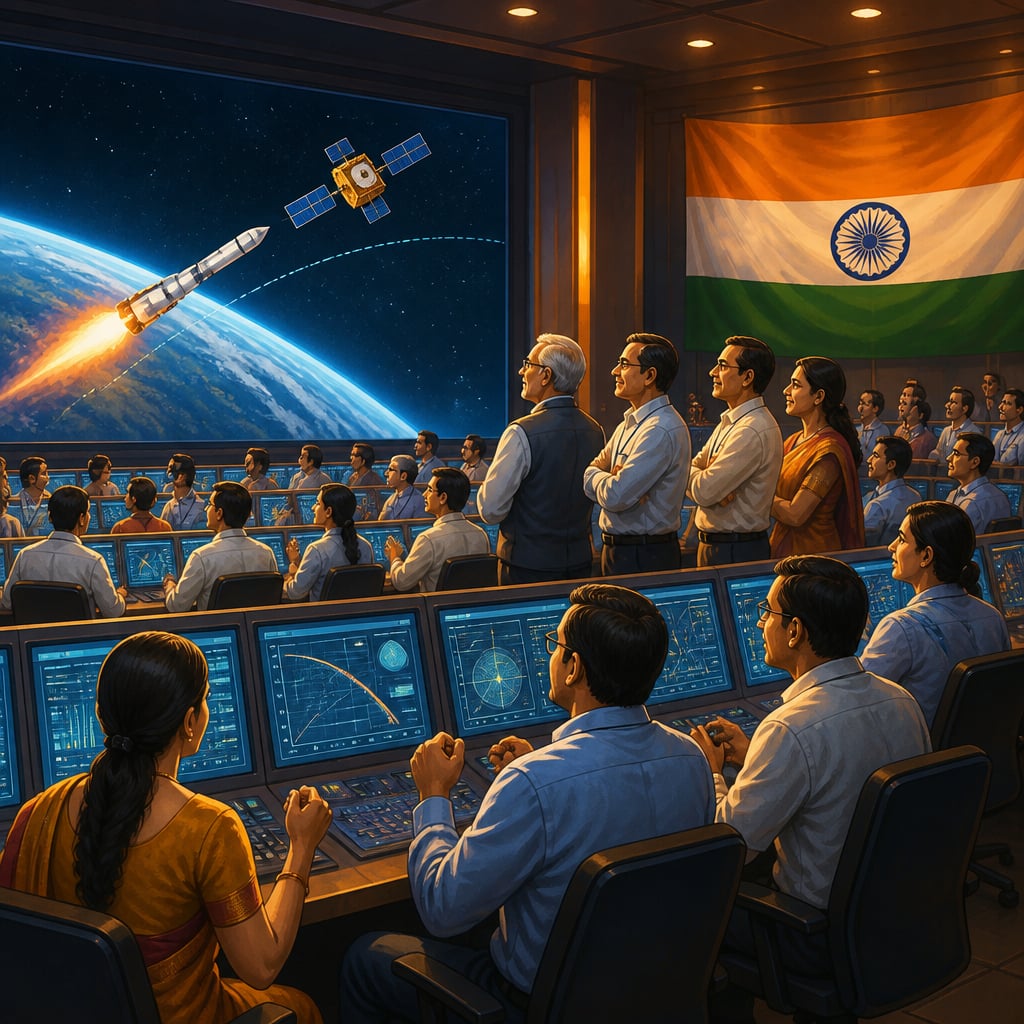
भारत का record यहाँ mixed है. कुछ क्षेत्रों में, institutional decolonization बेहद सफल रहा है. ISRO ने cryogenic engine technology से वंचित होने के बाद खरोंच से एक world-class space program बनाया, साबित किया कि भारत sovereign institutions बना सकता है जब यह करने के लिए प्रतिबद्ध हो. UPI digital payments system पश्चिमी financial infrastructure को आगे निकाल गई. भारत की pharmaceutical industry indigenous capability building के माध्यम से "दुनिया की pharmacy" बन गई.
लेकिन अन्य क्षेत्रों में, colonial institutional DNA लगभग untouched persists करता है. Indian Administrative Service अभी भी colonial Indian Civil Service की structure और culture को दर्शाता है, subjects को administer करने के लिए designed, citizens को serve करने के लिए नहीं. 2023 तक, भारत का criminal law 1860 में ब्रिटिश द्वारा लिखे गए codes पर चलता था. Hindu Religious and Charitable Endowments Acts, originally colonial instruments temple wealth को control करने के लिए, अभी भी force में हैं, जो state governments को Hindu religious institutions पर authority देते हैं जबकि अन्य religious institutions autonomously operate करती हैं.
क्षेत्र 3: ज्ञानात्मक स्व-राज्य (मन और narrative पर संप्रभुता)
यह सबसे गहरी परत है, और सबसे कम decolonized है. Epistemological स्व-राज्य मतलब एक सभ्यता अपने स्वयं के categories के माध्यम से अपने आप को समझती है, अपनी स्वयं की frameworks के माध्यम से अपनी कहानी बताती है, और अपनी स्वयं की standards से अपनी स्वयं की worth का मूल्यांकन करती है.
भारत की epistemological colonization गहरी चलती है. भारतीय history को अभी भी आमतौर पर "Hindu Period, Muslim Period, British Period" के रूप में periodized किया जाता है, एक framework जो civilizational continuity को धर्म द्वारा defined rulers के sequence में reduce करता है. भारतीय social reality का विश्लेषण पश्चिमी social science categories के माध्यम से किया जाता है: "caste" (एक Portuguese word) jati और varna की far more complex indigenous categories को replace करता है. "Religion" (एक category Abrahamic monotheism में rooted) dharmic traditions को apply किया जाता है जो इसे fit नहीं करते. "Secularism" (एक concept European church-state conflicts से born) को India की spiritual diversity को manage करने के लिए एकमात्र legitimate framework माना जाता है.
सबसे गहरा wound यह है: कई educated Indians ने इन external categories को इतनी completely internalize किया है कि वे अब उन्हें imports के रूप में recognize नहीं करते. colonial framework invisible हो गई है precisely क्योंकि वह default lens बन गई है. यही Para-Tantra civilizational scale पर दिखता है: एक सभ्यता दूसरी सभ्यता के intellectual software पर चलती है बिना realize किए.
पैटर्न: भारत की Decolonization Audit
राजनीतिक independence के 79 साल बाद, भारत की decolonization को तीन categories में map किया जा सकता है: क्या decolonized किया गया है, क्या colonized रहा है, और क्या नए लोगों द्वारा modern mechanisms के माध्यम से re-colonized किया जा रहा है.
क्या Decolonized किया गया है
राजनीतिक sovereignty secure है. भारत democratic institutions के माध्यम से खुद पर शासन करता है, एक independent foreign policy maintain करता है, और दुनिया की सबसे बड़ी militaries में से एक को command करता है.
Selective institutional sovereignty उन जगहों पर achieve किया गया है जहाँ भारत indigenous capability building के लिए committed था. ISRO के Chandrayaan-3 ने 2023 में Moon के south pole पर successfully land किया. भारत की UPI मासिक 12 billion से अधिक transactions process करती है. Indigenous Tejas fighter aircraft और INS Vikrant aircraft carrier growing defense self-reliance को demonstrate करते हैं. Colonial-era IPC, CrPC, और Evidence Act को 2023 में Bharatiya Nyaya Sanhita, Bharatiya Nagarik Suraksha Sanhita, और Bharatiya Sakshya Adhiniyam से replace करना 1860 के बाद से India के criminal justice framework का पहला comprehensive overhaul है.
पैटर्न साफ है. जहाँ भारत ने Sva-Tantra चुना, वह spectacularly सफल हुआ. जहाँ यह Para-Tantra को default किया, colonial structures persisted.
क्या Colonized रहा है
भारत की English-language media और intellectual class एक Para-Tantra ecosystem के रूप में remarkable structural completeness के साथ operates करता है. सबसे influential policy debates, सबसे prestigious academic appointments, और highest-profile cultural commentary सभी English में, Western analytical frameworks के भीतर, एक audience के लिए जो Indian reality को Western benchmarks के विरुद्ध measure करता है, होते हैं. Vernacular media vastly larger audiences तक पहुँचता है. Hindi news अकेले English news के audience से roughly 10 गुना बड़े audience तक पहुँचता है. लेकिन English-language media disproportionate institutional prestige और policy influence carry करता है.
यह एक language के बारे में शिकायत नहीं है. English एक tool है, और भारत के पास इसे strategically use करने के हर कारण हैं, जैसे Singapore करता है. issue यह है total ecosystem: जब elite discourse की language भी एक foreign civilization के categories, assumptions, और evaluative frameworks को carry करती है, और जब इस combination को intellectual expression के एकमात्र legitimate form के रूप में treat किया जाता है, तो परिणाम एक permanent epistemological dependency है. Indian concepts को routinely पश्चिमी categories के through filter किया जाता है इससे पहले कि वे seriously लिए जाते हैं. Dharma "religion" बन जाता है. Jati "caste" बन जाता है. Artha "economics" बन जाता है. हर translation एक nuanced indigenous concept को एक पश्चिमी category में flatten करता है जो इसे distort करता है.
क्या Re-Colonized किया जा रहा है
सबसे alarming category है re-colonization: वह domains जहाँ नए लोग colonial-era frameworks को modern mechanisms के through extend कर रहे हैं.
पश्चिमी universities और उनके global networks जारी रखते हैं कि कैसे Indian civilization को दुनिया भर में समझा जाए उसे define करना. "South Asian Studies" departments India को primarily caste oppression, religious communalism, और democratic backsliding के categories के through frame करते हैं. जो scholars Indian civilization को dharmic intellectual frameworks के through approach करते हैं वे routinely "biased" के रूप में dismiss किए जाते हैं, जबकि जो scholars पश्चिमी theoretical lenses का उपयोग करते हैं वे "objective" और "academic" के रूप में treat किए जाते हैं. यह एक conspiracy नहीं है. यह एक structural asymmetry है global knowledge production system में built, और यह directly colonial project को continue करता है India को बाहर से define करने की.
यह academic apparatus Chapter 4 में comprehensive detail में examine किया जाएगा, जो trace करता है कि कैसे पश्चिमी Indology एक civilizational weapon बना. लेकिन इस पाठ के लिए key insight यह है कि re-colonization को armies, trade companies, या political control की जरूरत नहीं है. इसे केवल उन categories पर control की जरूरत है जिनके through एक सभ्यता खुद को समझती है.
Dharmic ज्ञान: स्व-तंत्र और सच्ची स्वतंत्रता की architecture
Arthashastra दो प्रकार की states के बीच एक critical distinction बनाता है: Sva-Tantra (self-governing, अपनी system पर operating) और Para-Tantra (other-governed, दूसरे की system के भीतर operating). Kautilya Para-Tantra को एक condition मानता है जिसे किसी भी कीमत पर escape किया जाना चाहिए, क्योंकि एक state जो दूसरे की framework के भीतर operates करता है दूसरे के purposes को serve करता है भले ही यह believe करता है कि यह अपने को serve कर रहा है.
भारत की post-colonial condition पर applied, Para-Tantra diagnosis precise है. भारत politically Sva-Tantra है लेकिन epistemologically Para-Tantra है. यह खुद पर shासन करता है लेकिन उधार की हुई categories के through खुद को समझता है. यह अपने नेताओं को elect करता है लेकिन अपने बच्चों को उधार की हुई intellectual framework के through educate करता है. यह अपनी सीमाओं की defence करता है लेकिन अपनी civilizational narrative को बाहरी interpreters के हाथों में छोड़ता है.
Ishavasya Upanishad एक teaching से खुलता है जो दो dangers के बीच का रास्ता illuminate करता है. "Ishavasyam idam sarvam" declare करता है कि सभी reality sacred द्वारा pervaded है. कोई भी सभ्यता truth पर monopoly नहीं है. फिर injunction आता है: "tena tyaktena bhunjithah, ma gridhah kasya svid dhanam." Detachment की spirit के through दुनिया को enjoy करो. दूसरे की wealth को covet मत करो.
यह isolationism नहीं है. यह Singapore के approach की philosophical foundation है. दुनिया के tools का उपयोग करो. जो genuinely useful है उसे adopt करो: अंग्रेजी, पश्चिमी तकनीक, modern financial instruments. लेकिन दूसरी सभ्यता के intellectual operating system को covet मत करो, यह सोचते हुए कि वह अपने से superior है. "Ma gridhah" एक warning है civilizational covetousness के विरुद्ध जो एक राष्ट्र को अपनी intellectual traditions को abandon करने के लिए बनाता है क्योंकि दूसरे की अधिक prestigious appear करती हैं. एक सभ्यता जो पश्चिमी epistemological categories को covet करती है जबकि अपनी Pramana-shastra, अपनी Nyaya logic, अपनी Arthashastra governance को neglect करती है, gridhah की state में है: दूसरे के उपकरणों के लिए covetous clinging जबकि जो यह पहले से possess करती है वह neglect से atrophy हो रहा है.
Mundaka Upanishad इसे further deepen करता है Apara Vidya (lower knowledge, instrumental और technical) और Para Vidya (higher knowledge, liberating और transformative) के बीच distinction से. पश्चिमी textbooks को Indian textbooks से replace करना Apara-level reform है. Indian institutions को build करना जो Indian epistemological frameworks के भीतर से original knowledge generate करती हैं Para-level decolonization है. ISRO ने इसे engineering में achieve किया: इसने पश्चिमी rocket designs को Indian labels के साथ copy नहीं किया. इसने Indian problems को Indian engineering culture के through solve किया, original solutions produce किए जो पश्चिमी equivalents को outperformed किए एक fraction cost पर. challenge यह achieve करना है same Para Vidya transformation humanities में, social sciences में, और public discourse में.
बचाव: Decolonization को पूरा करना
पाठ 03_04 ने wound को identify किया. यह पाठ roadmap को map करता है. भारत की decolonization को पूरा करने के लिए ISRO model को सभी तीन domains में apply करने की जरूरत है.
ISRO सिद्धांत: क्षमता के through संप्रभुता

ISRO की success एक accident नहीं थी. यह एक precise pattern को follow किया जो replicate किया जा सकता है. पहला, dependency को acknowledge करो: भारत space launch capabilities के लिए foreign technology पर dependent था. दूसरा, imported solutions के लिए negotiate करने के बजाय indigenous capability build करने के लिए commit करो. तीसरा, world-class indigenous institutions को build करने के लिए जरूरी decades की sustained effort को invest करो. चौथा, results demonstrate करो जो prove करते हैं कि indigenous capability imported alternatives को match या exceed कर सकती है. Mangalyaan $74 million पर Mars तक पहुँचा. NASA के comparable MAVEN mission की cost $671 million थी. Sva-Tantra के लिए argument को rhetoric से नहीं बल्कि results से win किया गया था.
यह principle अब उन domains में apply किया जाना चाहिए जहाँ भारत Para-Tantra रहा है. शिक्षा को अपना ISRO moment चाहिए: colonial curriculum के incremental reform नहीं, बल्कि एक ground-up reimagining कि Indian education कैसा दिखता है जब Indian civilizational principles से designed हो. Humanities और social sciences को अपना Mangalyaan चाहिए: institutions जो Indian civilization को Indian frameworks के through study करती हैं और scholarship produce करती हैं इतनी rigorous कि दुनिया notice लेती है.
Institutional Decolonization: केवल Rename मत करो, Redesign करो
भारत की 2023 criminal law reform (BNS, BNSS, BSA जो IPC, CrPC, Evidence Act को replace करते हैं) एक template provide करता है. 163 साल बाद, भारत ने simply colonial codes को amend नहीं किया. इसने उन्हें new codes से replace किया जो Indian terminology में conceived हैं और Indian realities के लिए adapted हैं. यह model, patch के बजाय replace, को education policy, administrative structures, और knowledge institutions तक extend करना चाहिए.
बचने के लिए critical error है cosmetic decolonization: नामों को बदलना बिना operating logic को बदले. एक colonial institution को rename करना इसे decolonize नहीं करता अगर institutional culture, decision-making frameworks, और evaluation metrics colonial रहते हैं. सिंगापुर की success बिल्कुल इसलिए आई क्योंकि Lee Kuan Yew ने institutional logic को redesign किया, सिर्फ institutional labels नहीं.
Epistemological Decolonization: केवल Critique मत करो, Build करो
Decolonization discourse में सबसे बड़ा risk है permanent critique में फँस जाना बिना alternatives build किए. Colonial frameworks को identify करना आवश्यक है लेकिन अपर्याप्त है. भारत को world-class institutions build करने चाहिए Indian civilization को study करने के लिए Indian intellectual frameworks के through. इसका मतलब है Indology departments at Indian universities जो Oxford या Chicago पर कुछ भी rival कर सकते हैं, scholars से staffed जो Paninian grammar में जितने fluent हैं जितने Western linguistics में, जितने Nyaya logic से conversant हैं जितने analytic philosophy से. Goal यह नहीं है पश्चिमी scholarship को reject करना बल्कि ensure करना कि India की civilizational conversation में primary voice Indian है.
व्यक्तिगत Decolonization: Pratyabhijna
Individual level पर decolonization एक Pratyabhijna का act है: self-recognition. यह नया knowledge acquire करने के बारे में नहीं है. यह civilizational depth को re-recognize करने के बारे में है जो हमेशा present था लेकिन colonial education द्वारा obscured था. जब Dharampal की research ने reveal किया कि pre-colonial India के sophisticated education networks, advanced metallurgy, और agricultural systems थे जो European contemporaries को outperformed करते थे, उसने नई information create नहीं की. वह recover किया जो colonial narratives ने bury किया था. हर individual की decolonization same pattern को follow करती है: Indian होना learn करने के बजाय, remember करना.
Act II को Bridge: वह wound जो close नहीं होगा
Chapter 3 ने colonial wound को trace किया है अपने first incisions से history के rewriting के through, divisions की seeding के through, Indian mind की colonization के through, और अब decolonization के unfinished work के through.
लेकिन यह सिर्फ एक historical autopsy नहीं है. Colonial wound आजकल matter करता है क्योंकि इसने fracture lines बनाई हैं जो external actors continue करके exploit करते हैं. ब्रिटिश 1947 में भारत छोड़ गए हो सकते हैं. लेकिन जो fractures उन्होंने बनाई हैं, और कुछ cases में deliberately engineer की हैं, वे open रहती हैं. नए लोग उन्हें open रखने के लिए, चौड़ा करने के लिए, और उन्हें civilizational fragmentation के instruments के रूप में use करने के लिए काम कर रहे हैं.
ये actors कौन हैं? वे किन tools का use करते हैं? वे colonial-era fractures को modern weapons में कैसे transform करते हैं?
यह अगले पाँच chapters की कहानी है.
Chapter 4 examine करता है कि कैसे पश्चिमी Indology एक civilizational weapon बना, कैसे academic institutions narratives construct करती हैं जो Indian civilizational confidence को undermine करते हैं, और कैसे इस पाठ में described epistemological colonization को actively maintain किया जाता है institutional power के through.
Chapter 5 trace करता है कि कैसे racial और ethnic faultlines, जिनमें से कई colonial constructions हैं, को Indian identity को fragment करने के लिए बाहर से exploit किया जाता है.
Chapter 6 investigate करता है religious conversion की machinery और कैसे यह vulnerable communities को target करती है उन same fracture lines के साथ जो colonialism ने create किए.
Chapter 7 caste faultline की engineering को dissect करता है: कैसे एक indigenous system of social organization को colonial census द्वारा rigidified किया गया, colonial politics द्वारा weaponized किया गया, और अब एक tool के रूप में internationalized किया जा रहा है civilizational pressure का.
Chapter 8 regional separatism और sub-national identity movements को examine करता है, civilizational fragmentation की ultimate expression.
Colonial wound ने fracture lines बनाई. अब हम examine करते हैं कि कौन उन्हें open रखता है, और कैसे.
Case studies
ISRO: भारत का Space Program Institutional स्व-तन्त्र के रूप में
1963 में, विक्रम साराभाई ने Indian Space Research Organisation को एक vision के साथ found किया: भारत को अपनी space capabilities develop करनी चाहिए बजाय पश्चिमी तकनीक का permanent consumer रहने के. शुरुआती सालों को extreme frugality और improvisation से define किया गया. Rocket components को bicycles पर transport किया गया और Thumba, Kerala के एक church में assemble किया गया. असली test 1993 में आया, जब United States ने Russia को cryogenic engine technology को भारत को transfer करने के deal को cancel करने के लिए pressure डाला. बजाय alternative foreign suppliers को खोजने के, ISRO ने अपने cryogenic engines को first principles से build करने के लिए commit किया. Project को लगभग दो decades लगे. 2014 तक, ISRO ने Mars Orbiter Mission (Mangalyaan) को Martian orbit में अपने पहले attempt पर, $74 million की cost पर place किया. NASA के comparable MAVEN mission, उसी साल launch किया गया, की cost $671 million थी.
ISRO अपने deepest sense में Sva-Tantra को exemplify करता है: अपनी foundations से अपनी system को build करना. जब foreign technology access से deny किया गया, ISRO ने permanent dependency को accept नहीं किया. इसने indigenous capability building के harder path को चुना. Arthashastra इसे एक Para-Tantra condition के लिए सही response के रूप में recognize करेगा: बजाय dependency की बेहतर terms के लिए negotiate करने के, self-governing होने की capacity को build करो. Frugality एक limitation नहीं था बल्कि एक feature था. ISRO की engineering culture, Indian constraints से shaped, solutions produce करती है जो wealthier alternatives को outperform करते हैं.
ISRO दुनिया की leading space agencies में से एक बन गया, 2023 में Chandrayaan-3 को Moon के south pole पर successfully land किया, एक commercial launch business build किया, और indigenous satellite navigation (NavIC) को develop किया. भारत एक technology-denied nation से एक technology-exporting वाला nation बन गया space domain में.
Institutional decolonization तब succeed होती है जब एक nation indigenous capability को build करने के लिए commit करता है बजाय imported solutions के लिए negotiate करने के. Key यह decision point है: जब external denial या dependency का सामना हो, क्या तुम एक different external source को खोजते हो, या अपनी build करते हो? ISRO ने build करना choose किया. वह choice, दूसरे domains में repeated, ISRO Principle है.
ISRO की model हर domain को decolonize करने के लिए template है जहाँ भारत Para-Tantra रहा है. शिक्षा, social sciences, humanities, मीडिया, और governance सभी same pattern को follow कर सकते हैं: dependency को acknowledge करो, indigenous capability के लिए commit करो, sustained effort को invest करो, और results को demonstrate करो जो skeptics को silence करें.
ISRO की Mangalyaan की cost $74 million थी, Hollywood film 'Gravity' के $100 million production budget से कम. भारत Mars तक अपने पहले attempt पर space के बारे में एक movie की cost से कम cost पर पहुँचा, एक feat जो न NASA ने न ही Soviet program ने अपने inaugural Mars missions के साथ achieve किया.
भारत की English-भाषी बुद्धिजीविता: Para-Tantra Ecosystem
भारत की English-language media ecosystem, newspapers, news channels, magazines, और digital platforms को comprise करते हुए, vernacular media की तुलना में भारत की जनसंख्या का एक relatively छोटा हिस्सा तक पहुँचती है. Hindi news अकेले English news के audience से roughly दस गुना बड़े audience तक पहुँचता है. फिर भी English-language media policy debates, international perception, corporate decision-making, और India की urban professional class के self-image पर disproportionate influence carry करता है. यह ecosystem Western analytical categories के भीतर remarkable consistency के साथ operates करता है. भारतीय social phenomena को Western academia में developed frameworks के through analyze किया जाता है. Success को Western benchmarks के विरुद्ध measure किया जाता है. भारत की civilizational categories elite discourse से या तो absent हैं या सिर्फ translated approximations के रूप में present हैं जो उनके meaning को flatten करते हैं.
यह civilizational narrative के level पर Para-Tantra है. issue English language ही नहीं है, जिसे भारत के पास strategic tool के रूप में use करने के हर कारण हैं. issue यह है कि language एक पूरी epistemological framework carry करती है: analysis की categories, evaluation के standards, और assumptions क्या 'progress' और 'modernity' को constitute करता है. जब यह framework intellectual expression की एकमात्र legitimate mode बन जाता है, तो सभ्यता अपने आप के बारे में अपने terms में सोचने की क्षमता lose कर देती है. सिंगापुर English को epistemological surrender के बिना use करता है क्योंकि यह consciously English-medium instruction के साथ-साथ Asian philosophical frameworks को maintain करता है. India की English-language ecosystem का कोई equivalent counterweight नहीं है.
परिणाम एक two-tier intellectual culture है. भारत की English-language elite borrowed categories का use करके भारतीय reality का sophisticated analysis produce करती है. भारत की vernacular intellectual traditions indigenous categories carry करती हैं लेकिन institutional prestige को lack करती हैं. Scholars, journalists, और commentators जो Dharmic frameworks से operate करते हैं वह 'biased' या 'communal' के रूप में categorize किए जाते हैं, जबकि जो Western frameworks से operate करते हैं वह 'objective' और 'professional' के रूप में treat किए जाते हैं.
एक foreign language का use करना colonization नहीं है. एक foreign language को एक foreign epistemological framework के exclusive carrier के रूप में use करना, जबकि indigenous frameworks को marginalize कर रहे हों, है. सिंगापुर के model (strategic bilingualism with civilizational sovereignty) और भारत के model (English-medium epistemological dependency) के बीच distinction Sva-Tantra और Para-Tantra के बीच का difference है.
हर बार जब एक भारतीय बुद्धिजीवी 'caste' word use करता है Varna और Jati के बीच distinguish करने के बजाय, 'religion' word use करता है 'Dharma' के बजाय, या 'myth' word use करता है 'Itihasa' के बजाय, colonial translation framework को reinforce किया जाता है. ये neutral word choices नहीं हैं. हर substitution एक Western category को import करता है जो भारतीय concept को distort करता है जिसे यह replace करता है.
भारत के 22 officially scheduled languages हैं, हर एक centuries या millennia को span करने वाली intellectual traditions को carry करते हुए. फिर भी 90% से अधिक भारतीय academic research English में publish होती है, और सबसे influential policy think tanks, media outlets, और universities primarily English में Western analytical frameworks के भीतर operate करते हैं.
शैक्षणिक Neo-Colonization: Re-Colonized Narrative
भारतीय सभ्यता की सबसे prestigious global interpretations भारत में नहीं बल्कि पश्चिमी universities में produce होती हैं. Major American और European universities के 'South Asian Studies' departments scholars को employ करते हैं जो primarily Western theoretical traditions (postcolonial theory, subaltern studies, Marxist analysis, critical theory) में trained हैं ताकि भारतीय history, society, religion, और politics की authoritative interpretations produce कर सकें. ये interpretations India को primarily caste oppression, religious communalism, gender inequality, और democratic fragility की categories के through frame करती हैं. जो scholars Indian civilization को indigenous intellectual frameworks (Nyaya epistemology, Mimamsa hermeneutics, Arthashastra political theory) के through approach करते हैं वह routinely 'ideological' या 'Hindu nationalist' के रूप में marginalize किए जाते हैं, जबकि जो scholars पश्चिमी theoretical frameworks का use करते हैं वह 'academic objectivity' को maintain करने के रूप में treat किए जाते हैं.
यह epistemic colonization है जो institutional power के through maintain की जाती है न कि political power के. Colonial project ने सिर्फ भारतीय territory को conquer नहीं किया. इसने यह right को conquer किया कि India का क्या मतलब है, भारतीय civilization को कैसे समझा जाना चाहिए, और किन frameworks को इसे study करने के लिए legitimate माना जाता है. वह right colonial rule के दौरान London और Oxford से exercise की जाती थी. आजकल यह Chicago, Harvard, और Columbia से exercise की जाती है. Institutional location बदली. Structural relationship, external authority internal reality को define कर रहा है, नहीं बदली.
India के बारे में global narrative को scholars shape करते हैं जिनकी intellectual formation Western theoretical traditions के भीतर हुई है. यह narrative international partnerships, foreign-funded research, और prestige hierarchy के through Indian media, policy debates, और educational curricula में feed back होता है जो Western-published scholarship को privilege देता है. Indian scholars जो global recognition gain करना चाहते हैं उन्हें Western journals में publish करना पड़े, Western theoretical frameworks use करने पड़ें, और Western peer review standards को submit करना पड़े. परिणाम एक knowledge production system है जो structurally indigenous भारतीय perspectives को Indian civilization पर disadvantage देता है.
Epistemological colonization को political control की जरूरत नहीं. इसे सिर्फ उन categories पर institutional control की जरूरत है जिनके through एक सभ्यता अपने आप को समझती है. जब तुम्हारी civilization की सबसे authoritative interpretations उसके बाहर produce होती हैं, non-indigenous frameworks में trained scholars द्वारा, और जब ये interpretations तुम्हारी अपनी educational और media systems को shape करती हैं, तो colonial circuit complete है political independence के बावजूद.
यह machinery Chapter 4 में comprehensive detail में examine की जाती है, जो trace करता है कि कैसे पश्चिमी Indology एक civilizational weapon बना. इस पाठ से अगले chapter तक का bridge direct है: Chapter 3 में described colonial wound ने fracture lines बनाई, और यहाँ described academic apparatus उन fracture lines को open रखने और उन्हें widen करने के primary mechanisms में से एक है.
Top US universities के South Asian Studies departments का एक survey reveal करता है कि faculty का vast majority Western theoretical traditions के भीतर अपनी doctoral training receive किया है. इन institutions पर tenured faculty की संख्या जो classical Indian intellectual traditions (Sanskrit, Nyaya, Mimamsa, Arthashastra) में trained हैं और उन्हें primary analytical frameworks के रूप में use करते हैं comparison में vanishingly छोटी है.
Reflection
- इस पाठ से decolonization के तीन domains को consider करो: political, institutional, और epistemological. अपने जीवन में, कौन सा domain सबसे colonized रहा है? उस language को देखो जिसमें तुम सोचते हो, metrics को जो तुम success को judge करने के लिए use करते हो, experts को जिन पर तुम instinctively trust करते हो, और knowledge systems को जिन पर तुम crisis में turn करते हो. तुम्हारा deepest Para-Tantra actually कहाँ रहता है?
- ISRO successful institutional decolonization को represent करता है, जबकि भारतीय academia का बहुत कुछ epistemologically colonized रहा है. क्या difference बनाता है? क्या यह सिर्फ political will है, या scientific institutions में कुछ ऐसा है जो उन्हें decolonize करना easier बनाता है humanities और social sciences की तुलना में? अगर यह है, तो यह हमें क्या बताता है कि colonial wound सबसे गहरे कहाँ काटता है?
- यह पाठ argue करता है कि political independence epistemological sovereignty के बिना incomplete है. लेकिन reverse question उतना ही important है: क्या genuine epistemological sovereignty achieve करना possible है जबकि एक global knowledge economy में participate कर रहे हो जो Western institutional structures, peer review systems, university models, और publication norms पर built है? या true Sva-Tantra को entirely parallel knowledge institutions को scratch से build करने की जरूरत है?