द्रविड़ियन पहचान की रचना
Robert Caldwell और भाषा-से-नस्ल-से-राजनीति की pipeline
'द्रविड़ियन' शब्द एक नस्लीय पहचान के रूप में भाषाविदों द्वारा खोजा नहीं गया था। यह एक missionary द्वारा गढ़ा गया था। 1856 में, Robert Caldwell, एक आयरिश-जन्म वाले Church of England missionary जो Tamil Nadu में तैनात थे, ने 'A Comparative Grammar of the Dravidian Languages' प्रकाशित किया, एक ऐसा पाठ जिसने एक वैध भाषाई अवलोकन (दक्षिण भारतीय भाषाएँ एक अलग व्याकरणिक परिवार साझा करती हैं) लिया और इसे एक नस्लीय सिद्धांत से जोड़ा (द्रविड़ियन आर्यों से अलग नस्ल हैं) missionary इरादे के साथ (हिंदुइज़्म आर्य उपनिवेशवाद है, ईसाइयत मुक्ति है)। यह भाषा-से-नस्ल-से-राजनीति pipeline अगली सदी में तमिल पहचान को अपनी गहरी संस्कृत और वैदिक जड़ों से अलग कर देता, anti-Brahmin राजनीति को बढ़ावा देता, और एक fault line बनाता जिसे आज भी बाहरी ताकतें बेरोकटोक exploit कर रहीं हैं।
एक थ्योरी वाला Missionary
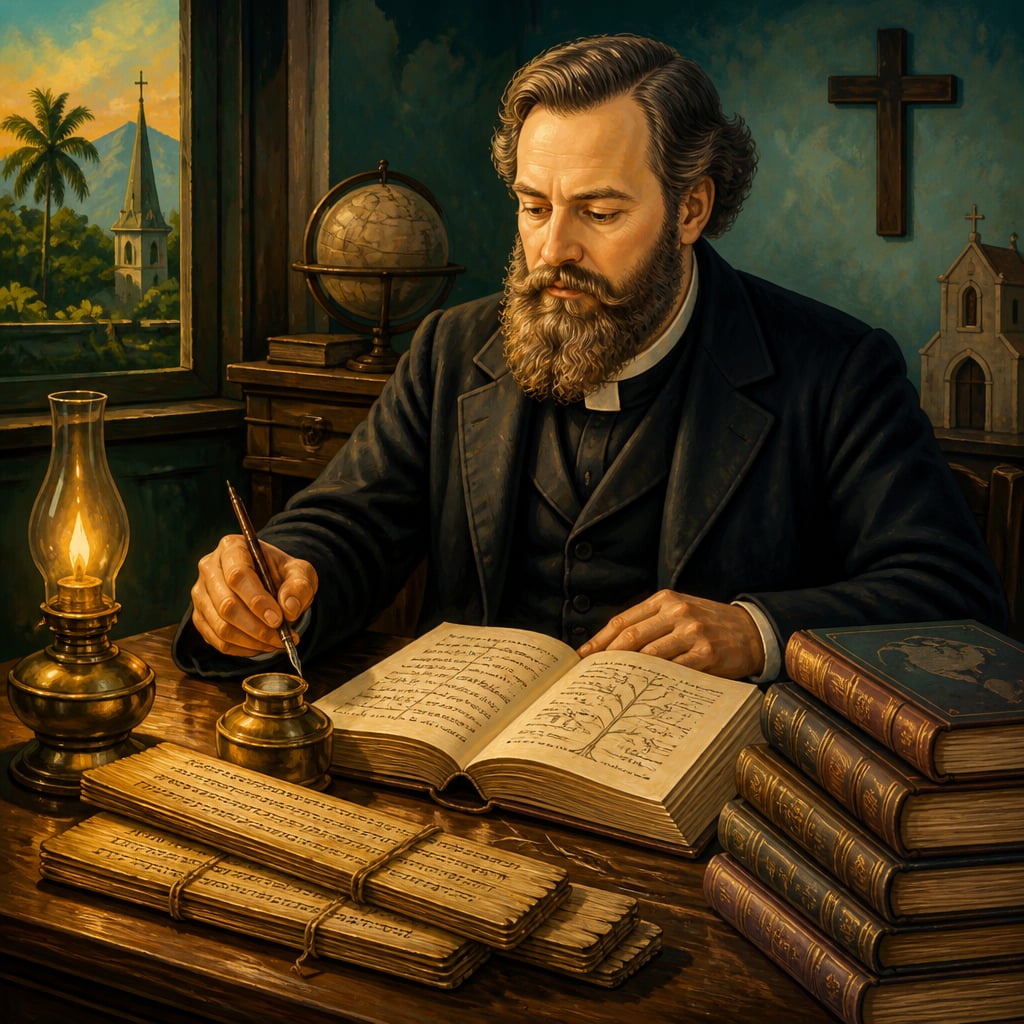
19वीं सदी के मध्य में, Robert Caldwell नाम का एक आयरिश-जन्म क्लर्जी Tamil Nadu के Tirunelveli जिले में Society for the Propagation of the Gospel के लिए missionary के रूप में आया। वह वहाँ चालीस साल से अधिक समय तक रहेगा, अंततः Tirunelveli का Bishop बन जाएगा। वह एक प्रशिक्षित भाषाविद नहीं था। वह conversion mandate के साथ एक churchman था।
1856 में, Caldwell ने A Comparative Grammar of the Dravidian or South-Indian Family of Languages प्रकाशित किया। किताब ने एक वैध भाषाई अवलोकन किया: दक्षिण भारत की भाषाएँ (तमिल, तेलुगु, कन्नड़, मलयालम, और दूसरी) व्याकरणिक संरचनाएँ साझा करती हैं जो उत्तर भारत की Indo-Aryan भाषाओं से अलग हैं। वे agglutinative हैं, inflectional नहीं। वे retroflex consonants का उपयोग करते हैं जैसे Indo-Aryan भाषाएँ नहीं करतीं। उनकी verb प्रणाली, case markers, और syntax पैटर्न का पालन करते हैं जो उन्हें एक दूसरे से जोड़ते हैं लेकिन संस्कृत से नहीं।
यह भाषाई अवलोकन वास्तविक था। आधुनिक भाषा विज्ञान की पुष्टि करता है कि Dravidian भाषाएँ एक अलग भाषा परिवार हैं।
लेकिन Caldwell भाषा विज्ञान पर नहीं रुका। उसने अपनी व्याकरणिक खोजों को एक नस्लीय सिद्धांत से, और उस नस्लीय सिद्धांत को एक missionary agenda से जोड़ दिया। यह वह जगह थी जहाँ अवलोकन समाप्त हुआ और रचना शुरू हुई।
तीन-चरण Pipeline
Caldwell का काम एक pipeline को गति देता था जो अगले 170 साल तक दक्षिण भारतीय पहचान को फिर से आकार देगा। हर चरण पिछले वाले पर आधारित था, शैक्षणिक दावे से राजनीतिक हथियार तक बढ़ता था।
चरण 1: भाषाई (1856)
Caldwell ने 'Dravidian' को एक भाषा परिवार के रूप में स्थापित किया। शब्द ही संस्कृत शब्द Dravida से आया, जो एक भौगोलिक क्षेत्र और उसके लोगों को दर्शाता था। Caldwell ने इसे एक entire भाषा समूह के लिए एक scientific-sounding श्रेणी में पुनः उपयोग किया। यहाँ तक, बचाव योग्य विद्वत्ता।
चरण 2: नस्लीय (1860s-1900s)
यहाँ कूद हुआ। Caldwell का तर्क था कि अगर भाषाएँ fundamentally अलग थीं, तो लोग भी fundamentally अलग होने चाहिए। 'Dravidians' 'Aryans' से एक अलग नस्ल थे। दक्षिण भारत के Brahmins Aryan colonizers थे जो दक्षिण की ओर पलायन किए और native Dravidian आबादी पर अपना धर्म, भाषा, और सामाजिक पदानुक्रम थोपा।
Caldwell ने लिखा कि Brahmins Dravidian lands में 'अजनबी' थे, विदेशी settlers जिन्होंने मूल निवासियों पर 'धीरे-धीरे ascendancy प्राप्त की'। इस framing में, Hinduism तमिल लोगों का indigenous धर्म नहीं था। यह Aryan invaders द्वारा एक alien imposition था।
इस नस्लीय कूद का कोई वैज्ञानिक आधार नहीं था। भाषा परिवार नस्लों पर map नहीं होते। अंग्रेजी बोलने वाले एक 'नस्ल' नहीं हैं। Swahili बोलने वाले एक 'नस्ल' नहीं हैं। यह assumption कि भाषाई अंतर = नस्लीय अंतर 19वीं सदी के यूरोपीय नस्लीय pseudoscience की कला थी, वही intellectual framework जिसने phrenology और 'Great Chain of Being' को पैदा किया।
चरण 3: राजनीतिक (1916 onwards)
जब 'Dravidian' एक नस्लीय पहचान बन गई, तो यह बस समय की बात थी कि यह एक राजनीतिक बन जाती। अगर Brahmins Aryan colonizers थे, तो anti-Brahminism anti-colonialism थी। अगर Hinduism विदेशी imposition था, तो Hindu पहचान को reject करना मुक्ति था।
Justice Party (1916), Self-Respect Movement (1925), Dravida Kazhagam, और अंततः Dravida Munnetra Kazhagam और इसके offshoots सभी ने, सीधे या परोक्ष रूप से, उस identity framework को खींचा जो Caldwell ने निर्मित किया था। एक missionary की grammar किताब एक entire political movement की intellectual foundation बन गई।
Missionary का Motive
एक churchman दशकों तक भाषाई अवलोकन से एक नस्लीय सिद्धांत बनाने के लिए निवेश क्यों करेगा? क्योंकि सिद्धांत उसके mission की सेवा करता था।
Caldwell अपने objectives के बारे में स्पष्ट था। वह Tamil Nadu में convert करने के लिए था। उसकी challenge थी कि तमिल पहचान Hindu सभ्यता में गहराई से बुनी हुई थी। तमिल साहित्य, त्योहार, मंदिर परंपराएँ, दर्शन, और daily जीवन Hindu और Sanskritic तत्वों से सराबोर थे। Tamils को convert करने के लिए तमिल पहचान को Hindu पहचान से अलग करने की जरूरत थी।
Dravidian नस्लीय सिद्धांत ने यही किया। अगर Tamils Dravidians थे, एक नस्ल जो Aryans से distinct थी जो Hinduism लाए, तो:
- Hindu practices विदेशी impositions थीं, authentic तमिल संस्कृति नहीं
- Brahmin priests आध्यात्मिक नेता नहीं, colonial administrators थे
- संस्कृत oppressor की भाषा थी, shared civilizational inheritance नहीं
- Christianity एक विदेशी धर्म नहीं था जो native को replace करता। यह एक 'विदेशी' धर्म था जो दूसरे 'विदेशी' धर्म को replace करता था, और कम से कम Christianity caste के साथ नहीं आई
यह conspiracy theory नहीं था। यह strategy था, Caldwell के अपने writings में और उस समय के missionary communications में दर्ज। Society for the Propagation of the Gospel समझता था कि identity engineering mass conversion के लिए एक prerequisite था।
The Severance: तमिल से संस्कृत
Caldwell के सिद्धांत का सबसे परिणामी प्रभाव तमिल का artificial severance था अपने Sanskrit और Vedic सभ्यता के साथ गहरे संबंध से।
historical reality यह है कि तमिल और संस्कृत सहस्राब्दियों तक coexisted, interact, और एक दूसरे को enrich करते थे:
Sangam साहित्य (roughly 300 BCE से 300 CE), तमिल literary कार्यों का सबसे पुराना body, Vedic deities, rituals, और philosophical concepts के references से भरा है। Sangam poems Vishnu, Shiva, Indra, और Vedic sacrifices को तमिल जीवन के natural भाग के रूप में mention करते हैं, विदेशी intrusions के रूप में नहीं। Tolkappiyam, सबसे पुरानी surviving तमिल grammar (3rd century BCE से 5th century CE तक dated), explicitly तमिल और संस्कृत literary traditions के बीच relationship को acknowledge करती है।
Alvar और Nayanar poet-saints (6th-9th centuries CE) किसी भी भाषा में सबसे profound devotional poetry compose करते थे, तमिल literary traditions और Vedic-Agamic theology दोनों में deeply rooted। Nammalvar का Tiruvaimozhi Sri Vaishnava tradition में Sama Veda के बराबर माना जाता है। ये Brahmin imports नहीं थे। ये तमिल कवि थे जो एक framework के through तमिल भक्ति को express करते थे जो seamlessly दोनों traditions को integrate करता था।
Temple culture Tamil Nadu भर में Sanskrit और तमिल traditions के सबसे elaborate synthesis में से एक है। Chidambaram, Madurai, Thanjavur, और Rameswaram के temples एक civilization के architectural expressions हैं जो तमिल पहचान और Sanskritic learning के बीच कोई contradiction नहीं देखते।
Vocabulary exchange दोनों directions में बहता था। तमिल ने हजारों संस्कृत शब्दों को absorb किया (tatsama और tadbhava borrowings), और संस्कृत ही Dravidian origin के शब्द carry करती है। दोनों traditions sealed compartments नहीं थीं। वे rivers थीं जो एक दूसरे में feed करती थीं।
Caldwell के सिद्धांत को इस सब को erase करना जरूरी था। यह pretend करना जरूरी था कि integration contamination था, कि synthesis subjugation था, कि exchange exploitation था। यह तमिल लोगों को अपनी सभ्यता की सबसे बड़ी achievements को अपने oppression के प्रमाण के रूप में देखने के लिए जरूरी था।
Aryan Invasion Theory: बड़ा Framework
Caldwell का Dravidian नस्लीय सिद्धांत isolation में नहीं चलता था। यह directly बड़े Aryan Invasion Theory (AIT) में plug करता था जो European scholars द्वारा same period में construct किया जा रहा था।
AIT दावा करता था कि एक light-skinned 'Aryan' नस्ल Central Asia से लगभग 1500 BCE में Indian subcontinent में invade करी, dark-skinned indigenous population को conquer किया, और उन पर अपनी भाषा (संस्कृत), धर्म (Vedic Hinduism), और सामाजिक व्यवस्था (caste) को impose किया।
Caldwell का contribution 'defeated natives' को एक नाम देना था: Dravidians। उसका theory पूरी तस्वीर complete करता था। Aryans बाहर से आए। Dravidians पहले से यहाँ थे। सब कुछ 'Hindu' Aryan imposition था। सब कुछ 'authentic' pre-Aryan, pre-Hindu था, और इसलिए Christian appropriation के लिए available था।
AIT itself को archaeological, genetic, और textual evidence द्वारा increasingly challenge किया जा रहा है। लेकिन इसकी political utility ने इसके scholarly foundations crumble होने के बाद भी इसके survival को ensure किया। जब तक AIT खड़ा रहा, Dravidian identity as 'non-Hindu indigenous people' coherent रहीं। दोनों theories एक दूसरे को support करते थे।
जो Actually Constructed हुआ
चलिए precise बनते हैं कि Caldwell ने क्या बनाया:
- एक legitimate भाषाई category (Dravidian language family) को एक नस्लीय पहचान (Dravidian race) में convert किया गया
- एक नस्लीय पहचान को एक राजनीतिक narrative (Dravidians का Aryan colonization) दिया गया
- राजनीतिक narrative को एक missionary application (Hinduism विदेशी है, Christianity मुक्ति है) दिया गया
- entire construction के लिए तमिल को संस्कृत से sever करना required था, सदियों की cultural synthesis को erase करना एक artificial opposition बनाने के लिए
यह नहीं means कि दक्षिण भारतीय भाषाएँ distinct नहीं हैं। वे हैं। यह नहीं means कि तमिल समाज में social inequities exist नहीं करती थीं। वे थीं। यह नहीं means कि Dravidian politics के through expressed हर grievance illegitimate है। बहुत सी genuine हैं।
इसका मतलब है कि वह identity framework जिसके through ये grievances channeled थीं, वह framework जो कहता है 'तुम Dravidian हो, Hindu नहीं; Brahmins तुम्हारे colonizers हैं; संस्कृत तुम्हारी chains हैं,' एक विदेशी missionary द्वारा convert objectives serve करने के लिए manufacture किया गया था। Grievances वास्तविक थीं। Framework constructed था।
और constructed frameworks, एक बार जब वे political power acquire करते हैं, self-sustaining बन जाती हैं। उन्हें अब उस missionary की जरूरत नहीं जिसने उन्हें बनाया। वे अपने institutions, अपने intellectuals, अपने momentum generate करते हैं। यही अगले lesson की कहानी है।
Case studies
Caldwell की Grammar किताब: भाषाई अवलोकन से नस्लीय सिद्धांत
1856 में, Robert Caldwell, Society for the Propagation of the Gospel (SPG) का एक आयरिश missionary, ने 'A Comparative Grammar of the Dravidian or South-Indian Family of Languages' प्रकाशित किया। किताब ने एक legitimate भाषाई अवलोकन किया: दक्षिण भारतीय भाषाएँ Indo-Aryan languages से अलग एक distinct family form करती हैं। लेकिन Caldwell linguistics पर नहीं रुका। उसने Brahmins को 'Aryan strangers' के रूप में describe किया जो दक्षिण में invade करे, indigenous Dravidians पर Sanskrit impose करे, और उनकी original culture को suppress करे। उसने language classification से एक नस्लीय सिद्धांत construct किया। same period से SPG missionary communications strategic logic को reveal करते हैं: अगर Brahmins विदेशी invaders थे, तो Brahminism (Hinduism) भी विदेशी था, और 'original' Dravidians को Christianity में convert करना conversion नहीं बल्कि liberation था। Caldwell systematically evidence को ignore करता था जो इस framework को contradict करते। Tolkappiyam, oldest extant Tamil grammar (3rd century BCE और 5th century CE के बीच dated), explicitly Sanskrit literary traditions को acknowledge करती है और Tamil और Sanskrit को complementary मानती है, adversarial नहीं। Sangam literature Vedic references, Puranic narratives, और Sanskrit vocabulary से saturated है जो Tamil poetic forms में organically integrated है। Caldwell को अपने नस्लीय सिद्धांत को sustain करने के लिए इस integration को erase करना पड़ा।
Tolkappiyam के Porul Adhikaram (content/meaning पर section) Vedic और Puranic themes को Tamil literary composition के लिए foundational के रूप में reference करता है। Sangam works जैसे Purananuru और Akananuru Sanskrit-derived concepts dharma, karma, और cosmic order को Tamil poetic conventions में weave करते हैं foreign imposition के किसी sense के बिना। Nammalvar का Tiruvaimozhi, Tamil में composed, Sri Vaishnava tradition द्वारा 'Tamil Veda' के रूप में recognize किया गया, Sanskrit Vedas का alternative नहीं बल्कि उनका organic expression Tamil में। Tradition ने Tamil और Sanskrit के बीच कोई contradiction नहीं देखा। वे एक civilizational vision serving के लिए दो भाषाएँ थीं। Caldwell की framework को एक conflict manufacture करना require किया जिसे literary record ही support नहीं करता।
Caldwell की grammar 20वीं सदी की Dravidian political movement के लिए intellectual foundation बन गई। Justice Party, Self-Respect Movement, और अंततः Dravida Kazhagam और DMK सभी ने Caldwell के Aryan-invasion-based नस्लीय framework को draw किया। एक single missionary text, conversion को facilitate करने के लिए लिखी, एक entire political identity generate किया जिसने Tamil Nadu की politics को seven decades से अधिक के लिए dominate किया।
एक single text, conversion objectives द्वारा motivated, एक entire नस्लीय identity को एक linguistic observation से manufacture किया। जब scholarship के पीछे motivation सच नहीं बल्कि strategic separation है, तो academic work identity engineering का एक weapon बन जाता है।
Caldwell के Aryan-Dravidian divide के नस्लीय framing ने 2026 में Tamil Nadu की political discourse को shape करना जारी रखा है। Recent genetic studies (Rakhigarhi, 2018) ने large-scale Aryan invasion का कोई evidence नहीं पाया है, फिर भी Caldwell के missionary framework पर built political identity persist करती है क्योंकि यह अपने historical accuracy से independent electoral purposes serve करती है।
Caldwell की 1856 grammar तीन editions से गई और एक century से अधिक के लिए Dravidian languages पर standard Western reference रहीं, हालांकि इसके racial conclusions का Tamil literary tradition में कोई आधार नहीं था जिसका यह दावा करती है।
Bishop Caldwell vs. U.V. Swaminatha Iyer: तमिल विरासत के दो approaches
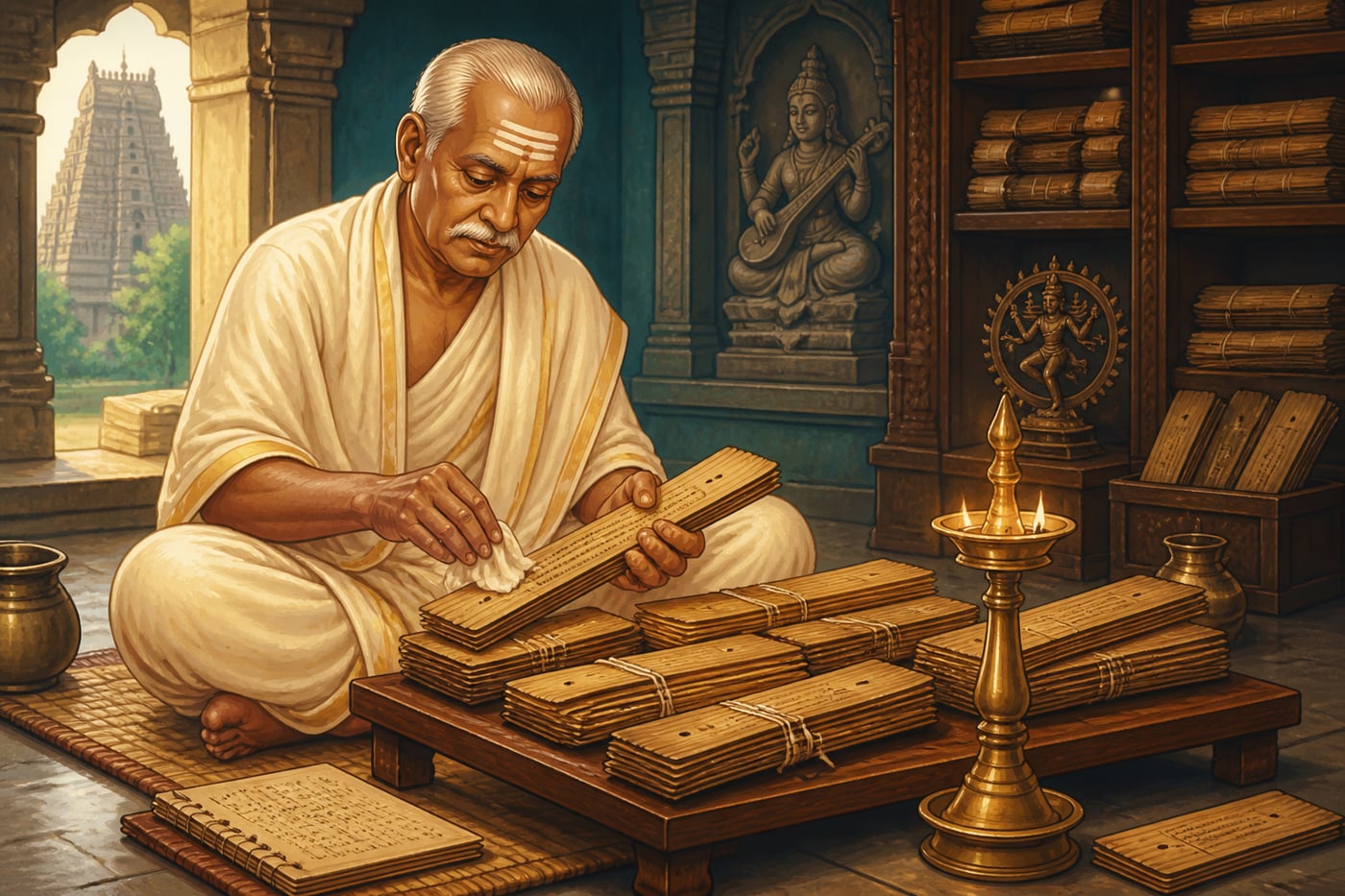
दो लोगों ने shape दिया कि दुनिया तमिल विरासत को कैसे समझती है। उनके approaches बिल्कुल अलग हो सकते थे। Robert Caldwell (1814-1891), एक आयरिश missionary और बाद में Tirunelveli के Bishop, SPG से conversion mandate के साथ दक्षिण भारत आए। उसने linguistic scholarship को use करके 'Dravidian' Tamils और 'Aryan' Brahmins के बीच एक नस्लीय divide construct किया, Christianity को Brahminical oppression से liberation के रूप में position करते हुए। U.V. Swaminatha Iyer (1855-1942), Uttamadanapuram से एक Tamil Brahmin scholar, अपनी पूरी जिंदगी ancient Tamil manuscripts को recover करने में बिताई जो oblivion में crumble हो रहे थे। deteriorating condition में palm-leaf manuscripts के साथ काम करते हुए, उसने single-handedly Silappadikaram, Manimekalai, Purananuru, और Pattupattu को extinction से rescue किया। वह remote villages में travel करता, reluctant manuscript holders के साथ negotiate करता, damaged texts को decipher करता, और meticulous annotations के साथ critical editions publish करता। Tamil लोगों ने ही उसे 'Tamil Thatha' (Grandfather of Tamil) का title देकर honor किया। Irony devastating है: Caldwell द्वारा create की गई Dravidian narrative द्वारा, Swaminatha Iyer एक 'Brahmin oppressor' था। फिर भी, वह वह व्यक्ति था जिसने exactly वह Tamil literature को save किया जो Dravidian movement claim करते हुए champion करती है। texts जो उसने recover किए, exactly वह दिखाते हैं जिसे Caldwell को deny करना पड़ा: Tamil और Sanskrit organic integration में existed, opposition में नहीं।
Swaminatha Iyer द्वारा rescue किए गए texts unity को साबित करते हैं जिसे Caldwell ने deny किया। Silappadikaram Shaiva और Jain themes को दोनों Tamil Bhakti traditions के साथ feature करता है। Purananuru Vedic rituals को reference करता है जो Tamil kings द्वारा perform किए गए थे उनकी royal identity के natural part के रूप में। Pattupattu Tamil landscapes को describe करता है imagery का use करते हुए जो local geography को Puranic cosmology के साथ blend करती है। ये Sanskrit impositions Tamil culture पर नहीं थीं। ये Tamil culture थीं। guru-shishya parampara जिसके through Swaminatha Iyer को उसके training मिली, great Meenakshisundaram Pillai के अंदर, ने ही cross-community knowledge transmission को embody किया जिसे Caldwell की framework असंभव कहती थी।
Swaminatha Iyer द्वारा recover किए गए texts आज Tamil Nadu की सबसे cherished literary विरासत हैं। Silappadikaram हर Tamil स्कूल में taught है। Sangam anthologies Tamil identity की pride हैं। एक Brahmin scholar का life work modern Tamil cultural pride का foundation बन गया, जबकि एक missionary के नस्लीय सिद्धांत को एक political movement का foundation बन गया जो Brahmins को vilify करते। लोग जो texts को celebrate करते हैं अक्सर नहीं जानते कि एक Brahmin ने उन्हें oblivion से save किया।
Framework जो कहता है 'Brahmins ने Tamil को suppress किया' collapse हो जाती है जब एक Brahmin ही वह है जिसने Tamil literature को extinction से rescue किया। जब culture का preserver उसका oppressor cast किया जाता है, तो narrative history से departed हो जाती है और political engineering के territory में enter हो जाती है।
Caldwell और Swaminatha Iyer के बीच contrast एक pattern को expose करता है जो आज भी active है: विदेशी-funded scholarship जो Indian identity को fragment करती है global academic attention receive करती है, जबकि indigenous scholarship जो civilizational unity demonstrate करती है 'nationalist' के रूप में marginalized है। कि कौन एक legitimate scholar के रूप में counts करता है इस का framing एक live battleground है।
U.V. Swaminatha Iyer ने palm-leaf manuscripts से Tamil literature के 90 से अधिक works publish किए, जिनमें से बहुत से single, deteriorating copies में existed। उसके intervention के बिना, Sangam corpus के major portions permanently lost हो जाते।
Living traditions
Tamil-Sanskrit synthesis Tamil cultural life के हर dimension में live रहता है, political effort के decades के बाद भी connection को sever करने के लिए। Bharatanatyam, Tamil Nadu का signature classical dance, Tamil और Sanskrit दोनों में compositions को perform किया जाता है, Sanskrit Natya Shastra का use करके choreographed, और एक Tamil-Sanskrit hybrid word के साथ named। Carnatic music, South India की classical music tradition, Sanskrit-origin ragas use करता है, Tyagaraja और Dikshitar की Telugu और Sanskrit kritis, और Muthuswami Dikshitar और Papanasam Sivan की Tamil compositions same concert में। Tamil film music, tens of millions द्वारा daily consumed, freely Tamil lyrics को Sanskrit-origin words, Carnatic ragas, और दोनों traditions के devotional phrases के साथ mix करता है। Temple worship Tamil Nadu भर में Tamil Divya Prabandham और Tevaram को Sanskrit Vedic और Agamic rituals के साथ integrate करना continue करता है हर daily puja में, exactly जैसा एक thousand साल से अधिक के लिए करते आए हैं। Tamil calendar, Pongal और Karthigai Deepam जैसे Tamil festivals, और Tamil personal names routinely Sanskrit elements को incorporate करते हैं जो speakers विदेशी के रूप में नहीं experience करते। Even political parties जिन्होंने Caldwell के separation thesis पर अपनी identity build की, अपनी rallies को Tamil oratory के साथ conduct करते हैं जो Sanskrit-origin vocabulary में saturated है। Synthesis इतना deep है कि Tamil को Sanskrit से separate करने के लिए Tamil language को ही dismantle करना पड़ता। यह ultimate proof है कि Caldwell की construction political थी, linguistic नहीं। Languages ने ही divided होने से refuse कर दिया।
- Sri Vaishnava मंदिरों में Divya Prabandham और Vedic Parayana: Tamil Nadu के हर Sri Vaishnava temple में, Nalayira Divya Prabandham (4,000 Tamil hymns जो twelve Alvars द्वारा 6th और 9th centuries के बीच compose किए गए) Sanskrit Vedic mantras के साथ daily worship के हिस्से के रूप में recited होता है। Divya Prabandham को 'Tamil Veda' (Dravida Veda) के रूप में honor किया जाता है, और इसका recitation temple ritual में Sanskrit Vedas के साथ equal liturgical authority hold करता है। Festivals के दौरान, processions दोनों Tamil और Sanskrit chanting को sequence में feature करते हैं, Tamil Prabandham verses को Sanskrit mantras से पहले recite करते हुए बहुत सी temple traditions में। यह एक modern compromise या syncretism नहीं है। यह Sri Vaishnava worship का original design है जैसा Nathamuni (10th century) द्वारा codified और Ramanujacharya (11th century) द्वारा systematized किया गया।
- Tevaram का Recitation (Odhuvars): Tevaram, Tamil devotional hymns का एक collection Shiva को तीन great Nayanar saints (Thirugnana Sambandar, Thirunavukkarasar, और Sundarar 7th और 8th centuries के बीच) द्वारा compose किए गए, Tamil Nadu के Shiva temples में daily sung होते हैं hereditary singers द्वारा जिन्हें Odhuvars कहते हैं। ये Tamil hymns Sanskrit Agamic rituals के साथ recited होते हैं। Chola king Rajaraja I (10th century) ने Tevaram singing को Brihadeeswarar Temple में Thanjavur में institutionalize किया, tradition की continuity को ensure करने के लिए dedicated endowments establish किए। practice आज Chidambaram, Thanjavur, Madurai, और सैकड़ों other Shiva temples पर continue होता है।
- श्री रंगनाथस्वामी मंदिर, श्रीरंगम: दुनिया का सबसे बड़ा functioning Hindu temple और premier Divya Desam। Tamil-Sanskrit synthesis को एक lived daily reality के रूप में witness करने के लिए visit करो, एक historical claim नहीं। Morning puja attend करो Sanskrit Vedic chanting और Tamil Divya Prabandham recitation को sequence में performed एक single unified worship के रूप में सुनने के लिए। सात concentric enclosures (prakarams) के through walk करो Sanskrit Agamic architecture, Chola और Pandya kings के Tamil inscriptions, और Sanskrit Puranas और Tamil Alvar poetry दोनों से sculpted narratives को देखने के लिए। Temple के museum में inscriptions display होते हैं जो document करते हैं कि Tamil और Sanskrit traditions एक thousand साल से अधिक के लिए यहाँ coexist करते रहे हैं। अगर दिसंबर-जनवरी में visit करो, तो Vaikunta Ekadashi festival attend करो Paramapada Vasal opening ceremony को देखने के लिए।
- तंजौर सरस्वती महल लाइब्रेरी: Asia की सबसे पुरानी libraries में से एक, Nayak kings द्वारा 16वीं सदी में established और Maratha rulers of Thanjavur द्वारा expanded। Sanskrit, Tamil, Telugu, Marathi, और अन्य languages में 49,000 से अधिक manuscripts को house करती है। Collection ही Tamil-Sanskrit separation thesis को demolish करता है: Chola और Nayak courts ने दोनों languages में काम commission किए, और library के holdings दिखाते हैं कि same scholars, same patrons, और same institutions ने Tamil और Sanskrit में literature produce किए एक single civilization के complementary expressions के रूप में। Adjacent Brihadeeswarar Temple (UNESCO World Heritage Site), Rajaraja Chola I द्वारा built, Sanskrit Agamic rituals, Tamil Tevaram singing feature करता है जो same king द्वारा endowed है, और दोनों languages में inscriptions same walls में carved हैं।
- श्री रंगनाथस्वामी मंदिर, श्रीरंगम: दुनिया का सबसे बड़ा functioning Hindu temple (156 acres, 7 concentric enclosures) और 108 Divya Desams का सबसे प्रमुख। श्रीरंगम Tamil-Sanskrit synthesis का living embodiment है। इसकी architecture Sanskrit Vastu और Agamic design को follow करती है। इसकी daily worship Sanskrit Vedic recitation को Tamil Divya Prabandham recitation के साथ equal measure में integrate करती है। Temple की theological foundation Vishishtadvaita है, Ramanujacharya की philosophy, जिन्होंने Sanskrit में लिखा लेकिन जिनकी tradition Tamil Alvars को Vedic rishis के बराबर revere करती है। Temple का नाम ही Sanskrit (Sri, Ranganatha) को Tamil geographical identity (Srirangam, Ranga का island) के साथ combine करता है। Caldwell का thesis कि Tamil और Sanskrit अलग civilizational streams को represent करते हैं वह moment collapse हो जाता है जब तुम Srirangam के gopurams से गुज़रो।
- चिदंबरम नटराज मंदिर: Pancha Bhuta Sthalams (पाँच elemental Shiva temples) में से एक, Akasha (space/ether) को represent करते। चिदंबरम uniquely Tamil-Sanskrit integration के हर strand को synthesize करता है। Temple का नाम ही एक Sanskrit compound है (chit + ambaram, 'consciousness-space')। इसकी architecture Sanskrit Shilpa Shastra को follow करती है। इसकी rituals Vedic tradition को follow करती हैं Dikshitar priests द्वारा maintained, एक community जो अपनी lineage को rishis तक trace करती है जो Kashi से migrate किए और Tamil land को home adopt किया। Tamil Nayanar saints के Tevaram hymns daily Sanskrit Vedic chanting के साथ sung होते हैं। Nataraja bronze, शायद Indian civilization का globally सबसे recognized symbol, Shiva को Ananda Tandava perform करते हुए represent करता है जैसा Sanskrit Puranic texts और Tamil Shaiva literature में described है।
Reflection
- उन identity labels के बारे में सोचो जो तुम carry करते हो: regional, linguistic, community-based। इनमें से कितने categories तुम्हारे actual lived experience को cultural connection के reflect करते हैं, और कितने तुम्हें systems (education, politics, census forms) द्वारा assign किए गए थे जो तुम्हें एक box में sorted करना चाहते थे?
- Caldwell के 'Dravidian race' सिद्धांत को दशकों से academically discredited किया गया है, फिर भी political और cultural categories जो इसने generate किए हैं deeply entrenched बनी रहीं। manufactured identity categories अपने intellectual foundations collapse होने के बाद भी long persist क्यों करती हैं, और एक civilization को अपनी self-understanding को reclaim करने के लिए क्या लगता?
- Dravidian languages genuinely Indo-Aryan languages से distinct हैं। यह एक legitimate भाषाई अवलोकन है। फिर भी Caldwell ने इस अवलोकन को एक नस्लीय सिद्धांत में और फिर एक political weapon में turn किया। किस point पर categorization weaponization बन जाता है, और क्या एक civilization genuine internal diversity को hold कर सकता है बिना इन differences को fault lines के रूप में exploit किए जाने के?