संस्कृत और भारतीय ज्ञान का पुनरुद्धार
संस्कृत एक जीवंत भाषा के रूप में और पांडुलिपि संरक्षण
भारत के पास दुनिया का सबसे बड़ा पांडुलिपि-संग्रह है - पाँच मिलियन से अधिक सूची में दर्ज हैं, कुल मिलाकर तीस मिलियन का अनुमान है, लेकिन पाँच प्रतिशत से कम को गंभीरता से संपादित किया गया है और एक प्रतिशत से भी कम को किसी आधुनिक भाषा में अनुवादित किया गया है। संस्कृत, इस पूरी ज्ञान-प्रणाली की operating system, को समय ने मार नहीं दिया। नीति ने उसे financially collapse कर दिया: 1835 की Macaulay की Minute ने उस संस्थागत श्रृंखला को काट दिया जो हजारों सालों से संस्कृत की शिक्षा, मौखिक transmission, और भाष्य-परंपरा को जीवित रखती थी। यह पाठ देखता है कि कैसे वेल्श भाषा के पुनरुद्धार ने एक संस्थागत नीला नक्शा दिया, कैसे सरस्वती महल पुस्तकालय संस्थागत continuity के through संरक्षण दिखाता है, और कैसे आयुर्वेद का global resurgence ज्ञान-प्रणाली की recovery की संभावना और pitfalls दोनों को दर्शाता है। Prescription: संस्कृत को economically उपयोगी, डिजिटली accessible, और संस्थागत रूप से sustained होना चाहिए, museum-nostalgia के रूप में नहीं बल्कि एक जीवंत भाषा के रूप में जो नया ज्ञान पैदा करती है।
जीवंत मरी हुई भाषा का विरोधाभास
2022 में, Google ने संस्कृत को Google Translate में जोड़ा। IIT Kanpur और Stanford की laboratories में, computer scientists पाणिनि की Ashtadhyayi का अध्ययन करते हैं, एक 2,400 साल पुरानी grammar जिसने संस्कृत को 3,959 नियमों से formalize किया है - इतने precise कि वे एक early programming language specification के रूप में काम करते हैं। संस्कृत भारती भारत भर में बोलचाल की संस्कृत workshops चलाता है, millions of participants का दावा करते हुए। NASA के researchers ने संस्कृत की artificial intelligence communication के लिए सम्भावना को explore किया है, क्योंकि यह unambiguous grammatical structure वाली है।
फिर भी, India की 2011 Census में सिर्फ 24,821 लोगों ने संस्कृत को अपनी mother tongue के रूप में दावा किया, जो Bodo या Dogri speakers की संख्या से भी कम है।
इसी बीच, भारत के पास दुनिया का सबसे बड़ा पांडुलिपि-संग्रह है। National Mission for Manuscripts ने 50 लाख से अधिक को catalogued किया है, कुल के 10 लाख से 30 लाख तक के अनुमान के साथ, जो temples, monasteries, private families, और small libraries में बिखरे हुए हैं। पाँच प्रतिशत से कम को critically edited किया गया है। एक प्रतिशत से भी कम को किसी आधुनिक भाषा में translate किया गया है। Metallurgy, mathematics, logic, linguistics, medicine, astronomy, architecture, music, governance, और philosophy के texts palm-leaf bundles में storerooms में सड़ रहे हैं, जो scholars की एक shrinking population के लिए ही readable हैं।
संस्कृत में Latin और Greek के combined से ज्यादा extant literature है। इसमें का knowledge किसी भी single classical tradition को दूर करता है। समस्या यह नहीं है कि संस्कृत मरी हुई है। यह कभी नहीं मरी। समस्या यह है कि भारत की institutional infrastructure - अपनी civilizational library को read करने, teach करने, और extend करने के लिए - को systematically dismantle किया गया था, और अभी तक rebuild नहीं किया गया है।
कैसे एक ज्ञान-सभ्यता ने अपनी Operating System खो दी
Dismissal तीन levels पर simultaneously operate करता था।
Level 1: The Language Kill Switch
संस्कृत सिर्फ एक सीखने की भाषा नहीं थी। यह भारत की पूरी knowledge architecture की operating system थी। हर darshana (philosophical school), हर shastra (systematic discipline), हर parampara (knowledge lineage) संस्कृत के through transmit होता था। यह इसलिए नहीं था कि संस्कृत inherently sacred या socially restricted थी। यह इसलिए था कि संस्कृत को deliberately engineer किया गया था precision के लिए।
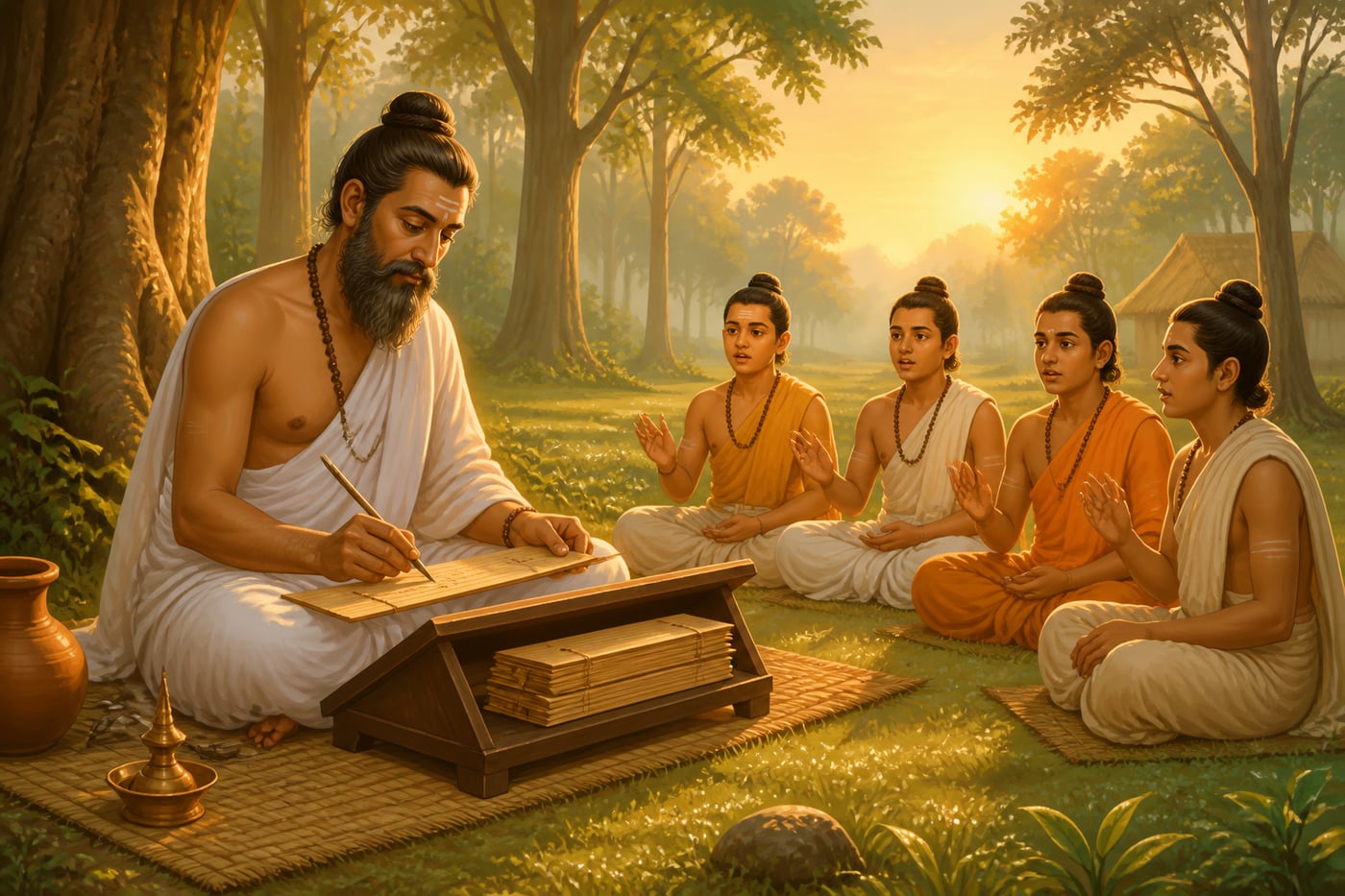
Panini की Ashtadhyayi (circa 4th century BCE) ने संस्कृत grammar को एक ऐसे rigorous system से formalize किया कि modern computer scientists इसे Backus-Naur Form का precursor मानते हैं, जो notation है programming language syntax define करने के लिए। संस्कृत, एक real sense में, दुनिया की पहली formally specified language थी।
जब British ने 1835 की Macaulay की Minute के बाद संस्कृत pathshalas को defund किया और educational budgets को English-medium institutions की ओर redirect किया, तो वे सिर्फ instruction का medium नहीं बदल रहे थे। वे एक entire civilization के accumulated knowledge के लिए transmission mechanism को sever कर रहे थे। दो generations के अंदर, families जिन्होंने centuries तक संस्कृत knowledge lineages maintain की थीं, उन्हें economically sustain नहीं कर सकते थे। Pathshala system collapse हो गया। Commentary tradition, Bhashya parampara, जहाँ हर generation के scholars foundational texts पर new commentaries लिखते थे, fresh insights add करते हुए established wisdom transmit करते थे, silent हो गया।
Nyaya logicians, Mimamsa hermeneuticians, Vedantic metaphysicians, Ayurvedic physicians, Jyotisha astronomers: सब Sanskrit-literate scholars की एक continuous chain पर depend करते थे जो guru से shishya को knowledge pass करती थी। Chain को break करो, और knowledge pause नहीं करती। यह dies करती है।
Level 2: The Oral Tradition Disruption
भारत का knowledge preservation exclusively textual नहीं था। विश्व की civilizations में uniquely, यह dual-track था: textual AND oral।
Vedic recitation centuries भर perfect preservation ensure करने के लिए multiple methods use करता है, without कोई written text के। Samhita patha continuous recitation provide करता है natural word flow में। Pada patha हर word को individually separate करता है। Krama patha overlapping word pairs create करता है: word 1+2, फिर 2+3, फिर 3+4। Jata patha forward-backward-forward patterns चलाता है। Ghana patha, सबसे complex, word order के multiple permutations involve करता है। ये memorization techniques नहीं हैं। ये error-correction protocols हैं। अगर एक single syllable एक method में corrupt हो, तो दूसरे के साथ cross-reference करना उसे catch करता है। Result: Vedic texts को three हज़ार साल से ज्यादा near-perfect fidelity के साथ preserve किया गया है। UNESCO ने 2003 में इस achievement को recognize किया, Vedic chanting को Masterpiece of the Intangible Heritage of Humanity declare करके।
Colonial education ने oral traditions को directly attack नहीं किया। इसने उन्हें economically unviable बना दिया। जब pathshala system collapse हुई, तो Gurukuls जिन्होंने Vedic reciters को train किया, economic base खो गई। Families जिन्होंने oral lineages को dozens of generations तक maintain किया था, colonial employment की ओर push किए गए। Chain पतला हो गई। यह completely नहीं break हुई, temple और matha support की वजह से, पर खतरनाक रूप से near आ गई।
Level 3: Knowledge Diversity Collapse
Colonialism से पहले, भारत की knowledge landscape remarkably diverse थी। छः Darshanas (Nyaya, Vaisheshika, Samkhya, Yoga, Purva Mimamsa, Uttara Mimamsa) सिर्फ philosophical schools थे। उनके beyond दर्जनों Shastras थे: Ayurveda (medicine), Jyotisha (astronomy और mathematics), Dhanurveda (military science), Arthashastra (governance और economics), Natyashastra (performing arts), Shilpa Shastra (architecture और sculpture), Vastu Shastra (spatial design), Ganita Shastra (mathematics), Rasayana Shastra (chemistry और metallurgy)।
हर shastra का अपना textual tradition, commentary lineage, practitioner community, और pedagogical method था। भारत के पास "a knowledge system" नहीं था। इसके पास dozens of specialized knowledge systems का एक ecosystem था, Sanskrit से common medium के रूप में interconnected और philosophical frameworks से जो cross-disciplinary dialogue allow करती थीं।
Colonial education ने इस ecosystem को एक single channel में collapse कर दिया: English-medium Western disciplines। Nyaya logician एक "philosophy student" बन गया। Ayurvedic physician एक "native quack" बन गया। Jyotisha astronomer एक "superstitious astrologer" बन गया। Shilpa Shastra architect एक "untrained craftsman" बन गया। हर tradition या dismissed किया गया, या एक Western category में absorb किया गया जिसने उसकी methodology को strip कर दिया, या margins को push किया गया।
Result सिर्फ knowledge loss नहीं था। यह knowledge diversity loss था। भारत dozens of specialized knowledge traditions के ecosystem से imported Western disciplines के monoculture में चला गया। यह intellectual deforestation था।
Pattern: Languages और Knowledge Systems जो वापस आए
संस्कृत का crisis unique नहीं है। Multiple languages और knowledge systems को extinction face कर चुकी है और revive किया गया है। Patterns instructive हैं।
Welsh: The Institutional Revival Model
1960s में, Welsh dying थी। English-medium education, English-dominant media, और Welsh को abandon करने के economic incentives ने language को population के twenty percent से नीचे push कर दिया था। Young people इसे learn नहीं कर रहे थे। Trajectory two generations के अंदर extinction की ओर indicate करती थी।
Welsh revival चार institutional interventions के through काम करता था।
पहला, Ysgolion Meithrin: Welsh-medium nursery schools जिन्होंने age three पर language immersion start किया, English-medium schooling dominant establish करने से पहले। 2023 तक, twenty-five प्रतिशत से अधिक Welsh children को Welsh-medium primary education मिल रहा था।
दूसरा, S4C: एक Welsh television channel जिसे 1982 में launch किया गया था जिसने Welsh-language entertainment, news, और cultural programming create किया। इसने language को modern और aspirational बना दिया, सिर्फ nostalgic नहीं।
तीसरा, the Welsh Language Act (1993) और Welsh Language Measure (2011): legal requirements bilingual public services, signage, और government documents के लिए। इन्होंने Welsh को economically useful बना दिया, सिर्फ culturally significant नहीं।
चौथा, university-level Welsh studies और Welsh-medium degree programs, यह ensure करते हुए कि language higher education और professional life के through continue रहे।
Result: Welsh speakers approximately 508,000 (18.7%) में 1991 से बढ़कर 884,000 (29.7%) में 2021 हो गए। Language सिर्फ survive नहीं करती। यह grew करती है।
Critical lesson: language revival एक cultural project नहीं है। यह एक institutional project है। Without economic utility, educational infrastructure, और media presence के, कोई भी language modernity में survive नहीं करती। संस्कृत currently national scale पर इनमें से कोई नहीं है।
Sarasvati Mahal Library: Preservation Through Institutional Continuity
Thanjavur, Tamil Nadu के heart में, Asia के oldest libraries में से एक बैठता है। Nayak kings ने around 1535 में establish किया था और Maratha rulers ने, particularly Serfoji II (r. 1798-1832), significantly expand किया था। Sarasvati Mahal Library 49,000+ manuscripts hold करता है Sanskrit, Tamil, Telugu, Marathi, और दूसरी languages में। Collection हर knowledge domain को span करता है: medicine, music, arts, mathematics, astronomy, philosophy, governance।
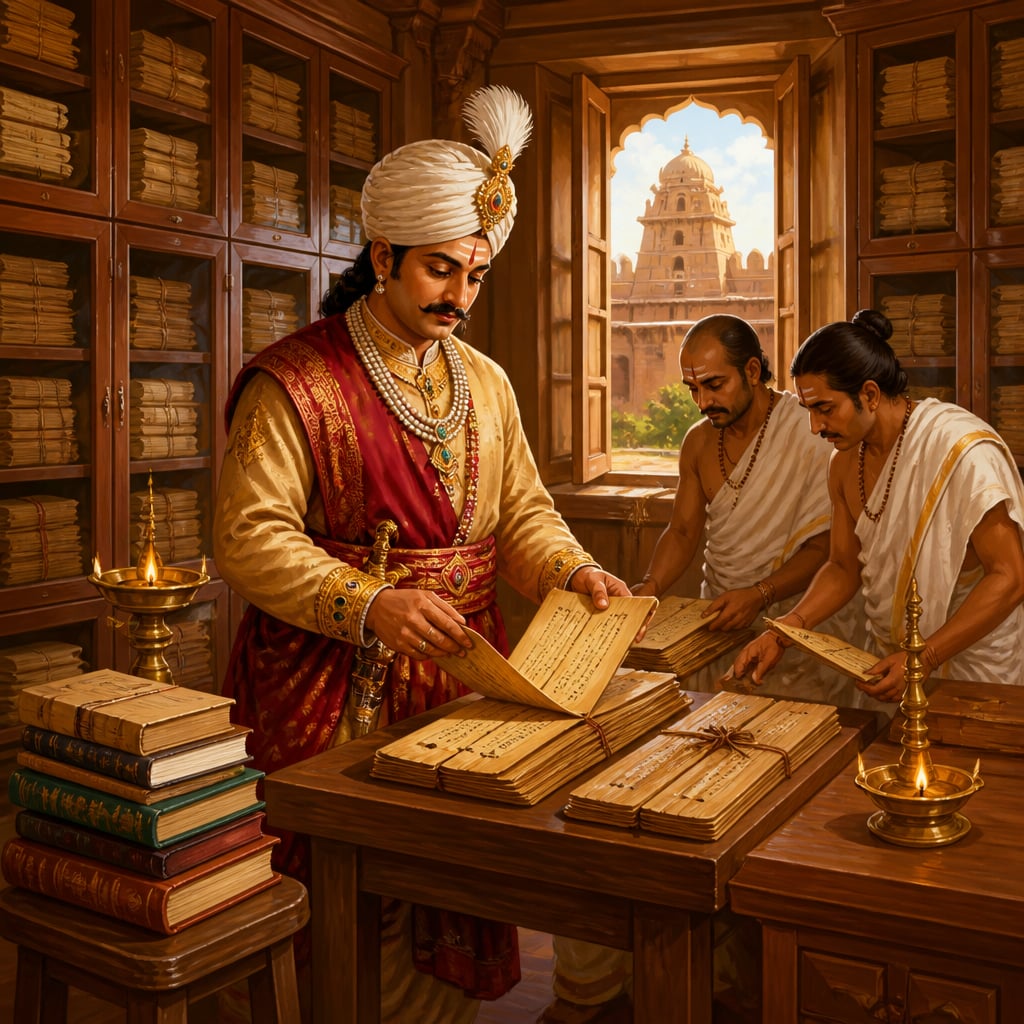
जो Sarasvati Mahal को significant बनाता है, वह सिर्फ इसका collection नहीं, बल्कि इसका survival है। जबकि हज़ारों manuscript collections भारत भर में colonial rule के दौरान destroy, disperse, या steal किए गए थे, Sarasvati Mahal survive किया क्योंकि इसके पास institutional protection था: पहले Maratha rulers के under, फिर British के under (जिन्होंने इसकी research value को recognize किया), फिर Madras Presidency के under, और आखिरकार Government of Tamil Nadu के under।
Library एक crucial lesson सिखाता है। Manuscripts survive करती हैं जब institutions उन्हें protect करते हैं। Individual collectors die, families disperse, private collections rot। सिर्फ institutional custody, dedicated funding के साथ, trained conservators, और cataloguing systems, knowledge को centuries भर preserve करते हैं।
भारत के पास estimated 10 लाख से 30 लाख manuscripts हैं scattered temples, mathas, private families, और small libraries में। ज्यादातर को institutional protection नहीं है। वे decaying हैं। हर साल, knowledge जो 500 साल की political upheaval और 200 साल के colonial rule को survive करती है, termites, humidity, और neglect को lost हो जाती है।
Ayurveda: The Promise और The Pitfall
Ayurveda का global resurgence demonstrate करता है कि knowledge system revival कैसा दिख सकता है। WHO ने अपना पहला Global Summit on Traditional Medicine Gandhinagar, Gujarat में 2023 में hold किया। India का AYUSH Ministry, 2014 में establish किया गया, institutional backing provide करता है। Global Ayurveda market दस billion dollars से exceed करता है।
लेकिन Ayurveda का revival risks को भी reveal करता है जो knowledge system recovery को navigate करना चाहिए। Commercial success without epistemic integrity "Ayurvedic" supplements produce करता है जिनका Ayurvedic diagnostic frameworks से कोई लेना देना नहीं है। Globalization without Sanskrit literacy ऐसे practitioners produce करता है जो product names को जानते हैं लेकिन Charaka Samhita को नहीं पढ़ सकते। International acceptance without domestic respect एक system produce करता है जिसे Berlin में Bengaluru से ज्यादा seriously लिया जाता है।
Lesson: revival without source text literacy और methodological preservation revival नहीं है। यह branding है।
Dharmic Wisdom: Language as Pramana
भारतीय philosophical tradition ने language के बारे में कुछ समझा जो modern linguistics अभी articulate करना शुरू कर रहा है।
Bhartrihari की Vakyapadiya (5th century CE) एक radical claim से खुलती है: Shabda Brahman, यह idea कि ultimate reality खुद linguistic nature की है। Language reality को सिर्फ describe नहीं करता। यह हमारी reality तक access को constitute करता है।
इस philosophical position के practical consequences हैं। Indian Pramana system में, Shabda (verbal testimony एक reliable source से) खुद ही knowledge का एक valid means है, Pratyaksha (perception) या Anumana (inference) से inferior नहीं बल्कि उनके alongside एक independent epistemological category के रूप में खड़ा है।
जब एक language lost हो जाती है, तो precise conceptual categories जो वह carry करती है, inaccessible हो जाती हैं। "Dharma" पर विचार करो: variably translate किया जाता है religion, duty, law, righteousness, ethics, cosmic order के रूप में। कोई single English word इसे capture नहीं करता। Sanskrit word सब इन meanings को simultaneously carry करता है जबकि कोई भी exclusively belong नहीं करता। Sanskrit में think करना conceptual distinctions तक access होना है जो translation approximate कर सकता है लेकिन कभी replicate नहीं कर सकता।
यही कारण है कि Bhashya parampara (commentary tradition) इतना critical था। Scholars की हर generation सिर्फ old texts को copy नहीं करती। वे new commentaries लिखती हैं जो foundational concepts को new contexts में apply करती हैं। Shankara की commentary Brahma Sutra पर Ramanuja की से differ करती थी, जो Madhva की से differ करती थी, न कि वे sport के लिए disagree कर रहे थे बल्कि क्योंकि प्रत्येक Sanskrit के conceptual toolkit को different philosophical problems में apply कर रहा था। Text same रहता है। Understanding हर generation के साथ deepen होती है। यह होता है एक living knowledge tradition।
जब commentary tradition stop हुई, तो Sanskrit knowledge grow करना stop हो गया। Texts survive किए गए लेकिन interpretive tradition जो उन्हें contemporary relevance देता था, silent हो गई। Sanskrit को revive करना commentary को revive करना है। सिर्फ old texts को read नहीं करना, बल्कि new ones लिखना।
The Revival Blueprint
Diagnosis clear है। यहाँ prescription है, चार domains में organized।
1. Sanskrit as Living Language: The Institutional Path
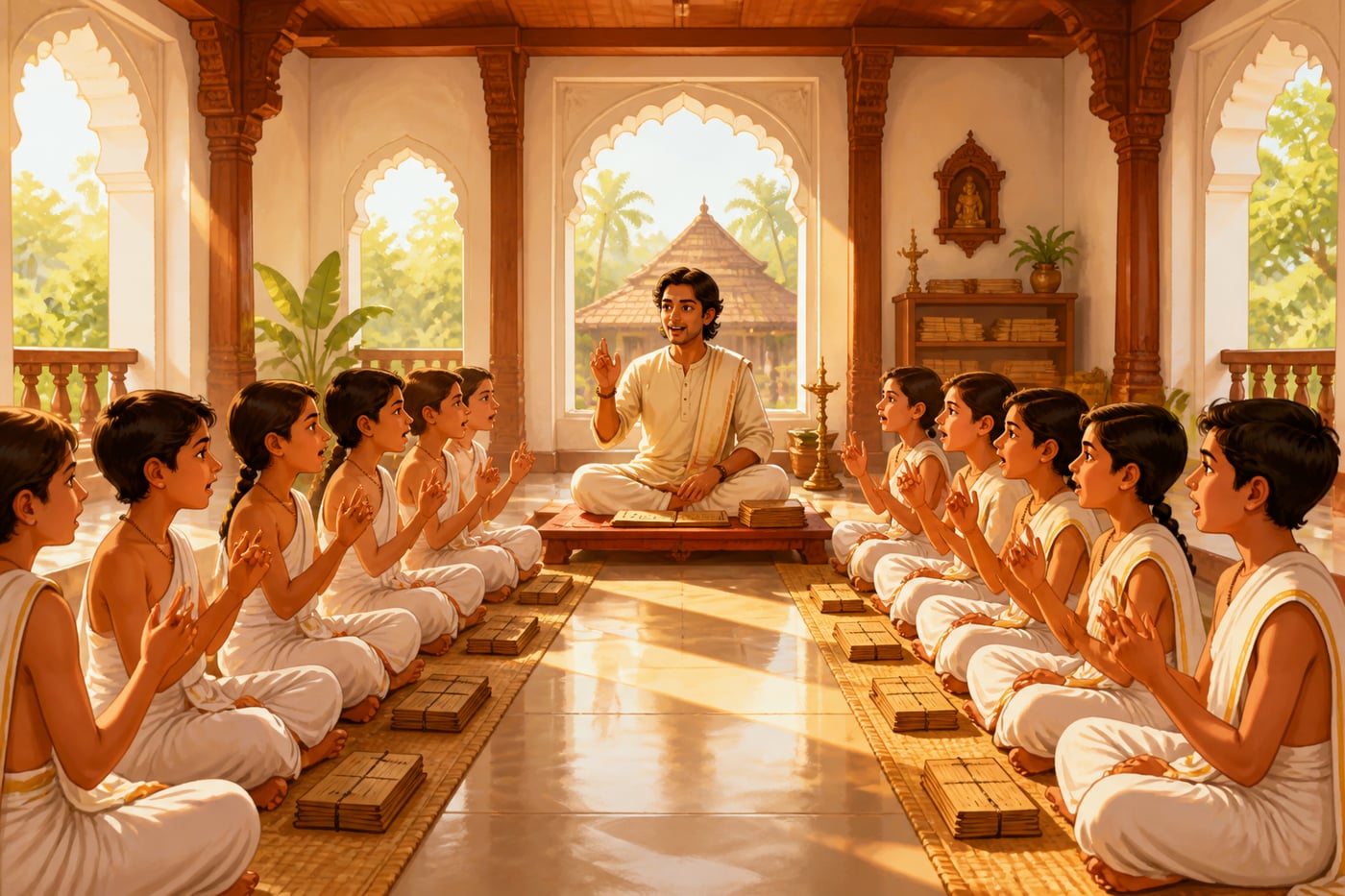
Welsh model को follow करते हुए, Sanskrit revival को चार simultaneous interventions की जरूरत है। Sanskrit-medium primary schools और preschools के through early immersion, elite institutions के रूप में नहीं बल्कि हर state में accessible options के रूप में। NEP 2020 policy framework provide करता है; क्या missing है वह है implementation at scale। Sanskrit-language content creation का एक media ecosystem YouTube, podcasts, और digital platforms में जहाँ young Indians actually अपना time spend करते हैं। Economic utility, ताकि Sanskrit fluency manuscript digitization, computational linguistics, Ayurvedic research, temple management, और cultural tourism में career opportunities lead करे। और higher education integration IKS (Indian Knowledge Systems) courses के through IITs और universities में जो serious Sanskrit training include करते हैं: Panini की grammar computer science के लिए, Nyaya logic philosophy के लिए, Arthashastra analysis management के लिए।
2. Manuscript Preservation: The Emergency
Sarasvati Mahal model demonstrate करता है कि institutional preservation क्या achieve करता है। Scaling करने के लिए एक national manuscript census (NMM ने 5 मिलियन catalogue किया, लेकिन true number छः times higher हो सकता है), emergency digitization हर manuscript की high resolution में conservation से पहले, systematic critical edition projects BORI Mahabharata model को follow करते हुए, और open access ताकि digitized manuscripts freely available हों online।
3. Knowledge Diversity Recovery: The Ayurveda Lesson
जो Ayurveda के लिए काम करता है वह हर shastra के लिए काम कर सकता है। हर एक को source text literacy की जरूरत है (practitioners को original Sanskrit में train किया गया, English summaries में नहीं), methodology preservation (diagnostic और epistemological methods को teaching, सिर्फ products नहीं), cross-disciplinary reconnection (Ayurveda को Yoga, Jyotisha, और Rasayana से linking), और research within indigenous frameworks (Ayurveda को Ayurvedic categories जैसे Prakriti और Dosha का use करके studying, सिर्फ biomedical frameworks में forcing नहीं जो इसकी methodology को strip करते हैं)।
4. Digital Sanskrit: The Accelerator
Technology संस्कृत का unexpected ally है। Panini की formal grammar naturally computational frameworks में map करती है। NLP researchers जैसे Gerard Huet (Sanskrit Heritage Site) और Oliver Hellwig (Digital Corpus of Sanskrit) इस काम को pioneer कर रहे हैं। AI-assisted translation manuscript work को orders of magnitude से accelerate कर सकता है। Digital critical edition tools decades के collation को years में compress कर सकते हैं। Online learning platforms learners को reach कर सकते हैं जिनके पास physical Gurukuls तक access नहीं है।
भारत की 5 मिलियन catalogued manuscripts और modern NLP technology का combination potentially human history में सबसे बड़ी knowledge recovery project represent करता है। Knowledge exist करता है। Technology को इसे unlock करने के लिए exist करता है। क्या जरूरत है वह है civilizational will को उन्हें connect करने के लिए।
एक living language new knowledge produce करती है। एक living commentary tradition old knowledge को relevant बनाता है। एक living manuscript tradition को preserve करता है जो otherwise forever lost हो जाता। Sanskrit revival nostalgia नहीं है। यह civilizational operating capacity की recovery है।
Case studies
The Welsh Language Revival: Sanskrit के लिए एक Institutional Blueprint
1960s तक, Welsh language terminal decline में थी। English-medium education, English-dominant media, और Welsh को abandon करने के economic incentives ने language को Welsh population के 20% से नीचे push कर दिया था। Young people को इसे learn करने का कोई practical reason नहीं दिखता था। Linguists ने दो generations के अंदर extinction का projection किया था। Trajectory Sanskrit की India में current situation से लगभग identical थी: एक language जिसकी rich literary heritage थी, cultural advocates को beloved था, लेकिन economically useless और institutionally unsupported था। Welsh revival को nostalgia या nationalism alone से drive नहीं किया गया था। यह एक institutional engineering project था जो पाँच दशकों में चार domains पर simultaneously execute की गई थी।
Welsh revival वह mirror करता है जो Arthashastra institutional design के बारे में सिखाता है। Kautilya समझते थे कि systems individual heroism के through नहीं बल्कि institutional structures के through survive करते हैं जो self-sustaining incentives create करते हैं। Welsh movement cultural pride के लिए appeals पर rely नहीं करता था। इसने infrastructure build किया जो Welsh को economically rational, educationally accessible, और culturally aspirational बना दिया। Ysgolion Meithrin (Welsh-medium nursery schools) ने age three पर immersion start किया। S4C (Welsh television channel, 1982) ने Welsh में modern entertainment create किया। Welsh Language Act (1993) और Welsh Language Measure (2011) ने bilingual public services require किए, Welsh को economically useful बना दिया। University-level Welsh-medium degree programs ने ensure किया कि language higher education के through continue रहे।
Welsh speakers approximately 508,000 (18.7% population) से 1991 में बढ़कर 884,000 (29.7%) 2021 में हो गए। Language सिर्फ stabilize नहीं हुई। यह grow करती है। Young people ने Welsh-medium education choose किया। Welsh-language media flourished। Language modern Welsh identity का एक marker बन गई, जिसका relic of the past नहीं। 2023 तक, 25% से अधिक Welsh children को Welsh-medium primary education मिल रहा था।
Language revival एक cultural project नहीं है। यह एक institutional project है। Without economic utility, educational infrastructure, media presence, और legal support के, कोई भी language अपनी literary heritage की परवाह किए बिना modernity में survive नहीं करती। Sanskrit currently national scale पर इनमें से कोई नहीं है। Welsh model एक concrete, replicable four-pillar framework provide करता है: immersion education, media ecosystem, economic utility, और higher education integration।
Sanskrit की situation structurally pre-revival Welsh के समान है लेकिन एक critical advantage के साथ: Sanskrit सिर्फ cultural identity नहीं carry करता बल्कि knowledge systems का एक entire ecosystem (Ayurveda, Nyaya, Vaisheshika, Jyotisha) carry करता है जिसके पास global commercial और academic value है। Sanskrit के लिए economic case potentially Welsh की तुलना में ज्यादा मजबूत है, अगर institutional infrastructure exist होती Sanskrit literacy को career opportunities से connect करने के लिए manuscript digitization, computational linguistics, traditional medicine research, और cultural tourism में।
Welsh speakers तीन decades में 508,000 (18.7%) 1991 से बढ़कर 884,000 (29.7%) 2021 में हुए, absolute numbers में 74% increase। India की 2011 Census ने सिर्फ 24,821 Sanskrit mother-tongue speakers को record किया। अगर Sanskrit institutional intervention के through Welsh revival rates का भी एक fraction achieve करता, तो India के population base को दिए गए absolute numbers transformative होते।
Sarasvati Mahal Library: पाँच सदियों का ज्ञान संस्थागत Continuity के Through संरक्षित
1535 में, Thanjavur के Nayak kings ने palace complex के अंदर एक library establish की। अगली तीन centuries में, successive rulers ने इसे expand किया। Maratha ruler Serfoji II (r. 1798-1832) ने इसे Asia के greatest repositories of knowledge में से एक में transform किया। एक polymath जिन्होंने European science को Indian traditions के साथ study किया, सर्फोजी ने systematically South India के across से manuscripts को collect किया, rare texts की copies commission किए और उन्हें subject द्वारा organize किया। उनकी patronage के under, library 49,000+ manuscripts तक grow हुई Sanskrit, Tamil, Telugu, Marathi, और अन्य languages में, medicine, music, mathematics, astronomy, philosophy, governance, और military science को covering करते हुए। Collection में illustrated medical texts, musical notations, architectural treatises, और philosophical commentaries हैं जो earth पर कहीं और exist नहीं करती।
सर्फोजी द्वितीय Dharmashastra ideal को embody करते थे Vidya-premi Raja (knowledge-loving king) के। Indian tradition consistently Vidya की patronage को एक ruler की highest duties में place करता है। Arthashastra educational institutions और knowledge repositories की maintenance को statecraft के functions के रूप में extensive discussion devote करता है। सर्फोजी समझते थे जो tradition सिखाता है: knowledge institutions ऐसी luxuries नहीं हैं जिन्हें prosperous state afford कर सकता हो। ये foundations हैं जिनके बिना एक civilization अपने को sustain नहीं कर सकता। उनके systematic approach collection, conservation, और cataloguing को एक institutional framework create किया जो उनकी death के बाद दो centuries तक survive किया।
Sarasvati Mahal Library survive किया जहाँ thousands अन्य manuscript collections perish हुई। यह Maratha kingdom के collapse, British colonial period, Indian independence में transition, और Indian states के reorganization को survive किया। आज यह Government of Tamil Nadu के under operate करता है, अभी भी अपनी 49,000+ manuscripts को preserve करते हुए। पूरी दुनिया के scholars visit करते हैं texts को access करने के लिए जो कहीं और available नहीं हैं। Library ने digitization efforts शुरू की है, हालाँकि collection के scale के कारण complete digitization एक long-term project है।
Manuscripts survive करती हैं जब institutions उन्हें protect करते हैं। Individual collectors die, families disperse, private collections rot। सिर्फ institutional custody dedicated funding, trained conservators, और cataloguing systems के साथ knowledge को centuries भर preserve करता है। भारत की estimated 10 लाख से 30 लाख manuscripts temples, mathas, और private families में scattered हैं risk में precisely क्योंकि उन्हें institutional protection की कमी है जिसका Sarasvati Mahal पाँच centuries तक enjoy किया है।
Sarasvati Mahal model को scale पर replicate किया जाना चाहिए। India को hundreds of regional manuscript repositories की जरूरत है Thanjavur पर modeled, हर एक institutional backing, conservation staff, और digitization infrastructure के साथ। National Mission for Manuscripts ने five million manuscripts को catalogue किया, लेकिन cataloguing preservation नहीं है। Physical conservation, high-resolution digitization, और institutional custody तीन pillars हैं जो Thanjavur model demonstrate करता है।
Sarasvati Mahal Library 49,000+ manuscripts hold करता है, including 1,800+ illustrated manuscripts और multiple Indian languages में texts। यह continuously nearly 500 सालों तक multiple political regimes में operate किया है। India की total manuscript heritage 10-30 मिलियन का estimate है, जिसमें से सिर्फ about 5 मिलियन National Mission for Manuscripts द्वारा catalogue किए गए हैं।
Ayurveda का Global Resurgence: Revival, Risk, और Sanskrit Literacy Gap
2023 में, World Health Organization ने Gandhinagar, Gujarat में Traditional Medicine पर अपना पहला Global Summit hold किया, signaling international institutional recognition traditional medical systems की। India की AYUSH Ministry, 2014 में established, Ayurveda, Yoga, Unani, Siddha, और Homeopathy के लिए governmental backing provide करती है। Global Ayurveda market दस billion dollars से exceed करता है और rapidly grow करना continue करता है। Ayurvedic products Europe और North America के pharmacies में sell होते हैं। Ayurvedic tourism thousands को Kerala में हर साल attract करता है। International universities Ayurvedic studies में courses offer करती हैं। अधिकांश commercial और institutional measures से, Ayurveda एक genuine renaissance experience कर रहा है।
Charaka Samhita और Sushruta Samhita, Ayurveda की foundational texts, सिर्फ recipe collections नहीं हैं। ये complete medical epistemologies हैं Sanskrit में written, अपनी diagnostic frameworks (Tridosha: Vata, Pitta, Kapha) के साथ, अपनी classification of body types (Prakriti) के साथ, अपनी pharmacology (Dravyaguna) के साथ, और अपनी research methodology के साथ। Charaka explicitly medical knowledge की validation को discuss करता है multiple Pramanas के through: direct observation (Pratyaksha), symptoms से inference (Anumana), और authoritative textual testimony (Shabda)। System self-contained और internally coherent है। इसे अपनी epistemological framework से strip करना और इसे product labels में reduce करना revival नहीं है। यह extraction है।
Ayurveda की commercial success ने एक paradox create किया है। Global market growth ने international visibility और economic opportunity bring किए हैं। लेकिन इसने commercial Ayurveda और classical Ayurveda के बीच एक growing gap भी produce किया है। Many modern Ayurvedic practitioners, particularly India के outside, Charaka Samhita को Sanskrit में read नहीं कर सकते। Products जो 'Ayurvedic' labeled हैं, अक्सर biomedical research frameworks का use करके formulated होते हैं Ayurvedic diagnostic categories की बजाय। International Ayurveda training programs therapeutic techniques सिखाते हैं लेकिन rarely underlying philosophical और epistemological system को सिखाते हैं।
Revival without source text literacy branding है, knowledge recovery नहीं है। Ayurveda का global resurgence show करता है कि क्या possible है जब एक knowledge system को institutional backing और commercial viability मिलते हैं। लेकिन यह critical risk को भी reveal करता है: अगर practitioners original Sanskrit texts और epistemological framework को जो वे encode करती हैं, access नहीं कर सकते, तो 'revival' एक superficial appropriation बन जाती है एक ancient brand की, एक ancient science की genuine recovery की बजाय।
Ayurveda की trajectory एक preview है जो हर दूसरी Indic knowledge system के साथ happen होगा जब interest grow करता है। Nyaya logic, Vaisheshika natural philosophy, Jyotisha astronomy, Ganita mathematics: सब को commercialization का same risk face करना है without comprehension के अगर Sanskrit literacy revival का part नहीं है। Ayurveda case Sanskrit revival के लिए economic terms में argument बनाता है: knowledge ने proven global market value किया है, लेकिन इसे fully access करने के लिए उस language की जरूरत है जिसमें यह written है।
Global Ayurveda market 2023 में $10 billion को exceed किया और 15% से अधिक annually grow करने का projection है। India का AYUSH Ministry 2014 में एक dedicated budget के साथ establish किया गया था। WHO Global Summit on Traditional Medicine Gandhinagar में (2023) इसका पहला edition था। इसी बीच, India approximately 50,000 BAMS (Ayurveda) graduates produce करता है annually, लेकिन वह proportion जो classical Sanskrit texts को fluently read कर सकते हैं, small और shrinking है।
Reflection
- अपनी खुद की education के बारे में सोचो। तुमने English सीखने में कितने साल खर्च किए? तुमने Sanskrit सीखने या किसी भी Indian knowledge tradition (Ayurveda, Yoga philosophy, Nyaya logic, Arthashastra) को study करने में कितने घंटे खर्च किए, अगर कोई, इसके original framework में rather than एक Western interpretive lens के through? यह ratio तुम्हें epistemic priorities के बारे में क्या बताता है जिसके लिए तुम्हारी education design की गई थी?
- भर्तृहरि argue करते हैं कि language reality को केवल describe नहीं करता बल्कि इस तक हमारी access को constitute करता है। अगर यह true है, तो reality के कौन से aspects Sanskrit के conceptual categories के through accessible हो सकते हैं जो English के through invisible हैं? 'Dharma,' 'Rasa,' या 'Prakriti' जैसी concept पर विचार करो। क्या तुम ऐसे किसी experience या insight के बारे में सोच सकते हो जो तुम्हारी mother tongue perfectly capture करती है लेकिन English नहीं कर सकता?
- Lesson argue करता है कि knowledge diversity colonialism के under collapse हुई, India dozens of specialized knowledge traditions से एक monoculture of Western disciplines में चला गया। लेकिन कुछ argue करते हैं कि modern science ने traditional systems जैसे Ayurveda, Jyotisha, और Vaisheshika को supersede कर दिया है। क्या इन systems की recovery एक genuine intellectual project है, या यह romantic nostalgia है? Ancient knowledge system को यह prove करने के लिए क्या चाहिए कि यह आज भी new, useful knowledge produce करता है?