Counter-कथाएँ और बहस का पुनर्जन्म
AIT को ख़ारिज़ करना, शास्त्रार्थ का पुनर्जन्म, और वैश्विक धर्मिक विद्वत्ता
दो सदियों से, भारत की सभ्यतागत कथा दूसरों ने लिखी है। आर्य आक्रमण सिद्धांत भारत को 'आक्रमणकारियों' और 'मूल निवासियों' में बाँट दिया। जाति-दौड़ थीसिस ने एक fluid सामाजिक व्यवस्था को एक जैविक पदानुक्रम में बदल दिया। 'ब्राह्मणवादी पितृसत्ता' ढाँचे ने दुनिया की सबसे philosophically जटिल परंपरा को एक single गाली में घटा दिया। यह पाठ दिखाता है कि इनमें से हर narrative कैसे manufactured था, वे कैसे systematically genetics, पुरातत्व, और rigorous विद्वत्ता से ख़ारिज़ किए जा रहे हैं, और भारत की ancient शास्त्रार्थ परंपरा का पुनर्जन्म Hindu सभ्यता को defensive मुद्रा से assertive बौद्धिक शक्ति में global stage पर कैसे transform कर रहा है।
तीन औपनिवेशिक कथाएँ
जिस भी सभ्यता को उपनिवेश बनाया गया है, उसे राजनीतिक आजादी के बाद एक ही चुनौती का सामना करना पड़ता है: कहानी को फिर से अपने हाथ में लेना। राजनीतिक संप्रभुता बिना narrative संप्रभुता के अधूरी आजादी है। भारत को 1947 में राजनीतिक आजादी मिली, लेकिन उसकी सभ्यतागत कथा अभी भी वज़ीफ़ों से नियंत्रित है जो British राज में बनी थीं और Western academia में बची हुई हैं।
तीन narratives विशेष रूप से सबसे नुकसान पहुँचाते हैं।
आर्य आक्रमण सिद्धांत: भारत को अपनी जड़ों पर बाँटना
आर्य आक्रमण सिद्धांत (AIT), पहली बार Max Muller ने 19वीं सदी के mid में प्रस्तावित किया, यह दावा करता था कि गोरे रंग के 'आर्य' लोगों का एक group लगभग 1500 BCE में भारतीय subcontinent पर आक्रमण किया, काले रंग के 'Dravidian' मूल निवासियों को हरा दिया, और उन पर Sanskrit, Vedic धर्म, और जाति व्यवस्था थोप दी।
यह सिद्धांत राजनीतिक रूप से सुविधाजनक था। इससे British को अपने conquest के लिए racial justification मिल गई: अगर भारत को पहले ही Aryans ने conquer किया था, तो British तो बस civilizing invaders की एक लंबी श्रृंखला में नवीनतम थे। इसने divide-and-rule के लिए भी foundation दी। अगर Brahmins 'Aryan आक्रमणकारी' थे और Dalits 'मूल निवासी' थे, तो जाति conflict को racial struggle के रूप में फिर से define किया जा सकता था, जिससे Hindu एकता असंभव हो जाती थी।
AIT के ख़िलाफ़ सबूत अब overwhelming हैं। Archaeologically, Harappan sites पर invasion या destruction का कोई निशान नहीं है। शहर climate change और river desiccation की वजह से gradually decline दिखाते हैं, conquest नहीं। Genetically, 2018 की Rakhigarhi ancient DNA study जिसे Vasant Shinde और Niraj Rai ने lead किया, Harappan remains में कोई Central Asian 'Aryan' genetic input नहीं दिखी, जो Indian subcontinent में population continuity दर्शाता है। Linguistically, Nicholas Kazanas और Shrikant Talageri जैसे विद्वानों ने दिखाया है कि Rigveda की internal geography India से westward expansion बताती है, India में eastward invasion नहीं। Sarasvati River, जिसे Rigveda में extensively celebrate किया गया है, लगभग 1900 BCE में सूख गई, जिससे Vedic composition supposed invasion date से सदियों पहले होता है।
फिर भी यह सिद्धांत textbooks, media, और academic institutions में बना रहता है क्योंकि यह ongoing political projects serve करता है: Dravidian identity politics, Dalit-Brahmin polarization, और broader 'Breaking India' enterprise जो इस course के earlier chapters में documented है।
जाति-दौड़: औपनिवेशिक आविष्कार
Varna को 'caste' में transform करना colonialism के सबसे successful intellectual operations में से एक है। Original Vedic concept of varna guna (innate qualities) और karma (action, occupation) पर आधारित था। Bhagavad Gita explicitly declare करती है: 'chatur varnyam maya srishtam guna karma vibhagashah,' अर्थात् चार varnas को qualities और actions के अनुसार create किया गया था, birth से नहीं।
Herbert Risley, British census commissioner, ने 1901 census में एक racial classification impose किया जिसने जो fluid, occupation-based system थी उसे एक rigid, hereditary hierarchy में frozen कर दिया। उन्होंने literally skull sizes और nasal indices को measure किया यह 'prove' करने के लिए कि caste racial था। Census ने हर Indian को एक single caste category के साथ identify करने के लिए force किया, mobility को असंभव और conflict को inevitable बना दिया।
Nicholas Dirks, 'Castes of Mind' में, demonstrate करते हैं कि British census ने modern caste system को कैसे create किया। पर यह insight selectively ignore किया जाता है उन लोगों द्वारा जिन्हें 'caste oppression' को political weapon की तरह Hindu civilization के ख़िलाफ़ use करना है। Varna (philosophical category), jati (occupational guild), और caste (colonial racial hierarchy) का conflation Indian civilization को delegitimize करने का सबसे powerful tool बना रहता है।
'ब्राह्मणवादी पितृसत्ता': जटिलता को एक गाली में घटाना
'Brahmanical patriarchy' term को तीन चीजें simultaneously accomplish करने के लिए engineer किया गया है: Brahmin intellectual tradition को delegitimize करना, Hinduism को inherently misogynistic दिखाना, और phrase को इतना academic बना देना कि उसे question करना regressive लगे।
Historical record एक अलग कहानी बताता है। Gargi Vachaknavi ने King Janaka के court पर Yajnavalkya से Brahman के nature पर debate किया। Maitreyi ने अपने husband से choice पाकर material wealth के बजाय philosophical knowledge चुना। Andal ने Tiruppavai compose किया, devotional poetry जो आज भी Tamil Nadu भर में हज़ार साल बाद गाई जाती है। Mirabai ने devotional assertion के through feudal structures को defy किया। Ahilyabai Holkar ने Indore को govern किया India के finest rulers के रूप में। Dharmashastra traditions ने Stridhan के through women के property rights को recognize किया, सदियों पहले European women कानूनी रूप से property own कर सकें।
यह मतलब नहीं कि Indian society में कोई gender-based injustices नहीं थीं। थीं, और tradition के within से reformers ने उन्हें address किया। पर 'Brahmanical patriarchy' framework इस self-correcting capacity को पूरी तरह erase कर देता है और civilization को एक monolithic oppression machine मानता है। यह academic vocabulary में dress किया गया एक political weapon है।
शास्त्रार्थ परंपरा: भारत की lost बौद्धिक immune system
भारत के पास कुछ था जो ज़्यादातर civilizations ने कभी develop नहीं किया: intellectual debate की एक formalized परंपरा codified rules, established protocols, और institutional support के साथ।
Shastrartha, literally 'the meaning या purpose of the shastras,' एक formal debate tradition था जो Nyaya Shastra द्वारा governed था। Gautama के Nyaya Sutras ने logical reasoning के sixteen categories को codify किया, जो effectively argumentation की एक science थी।
Debates तीन categories के under conduct की जाती थीं। Vada honest inquiry थी जो truth seek करती थी, जहाँ दोनों sides genuinely अपनी position को change करने के लिए खुले रहते थे evidence के आधार पर। Jalpa competitive debate था जो legitimate logical tools use करते हुए अपनी thesis को establish करती थी। Vitanda critical examination था जो opponent की position को rigorous logical analysis से demolish करने का aim रखती थी।
Rules demanding थे। Debaters को पहले Purva Paksha perform करना पड़ता था: genuinely समझना और fairly represent करना opponent की position को critique करने से पहले। इससे straw-manning prevent होता था और intellectual honesty force होती थी। एक debater जो opponent के view को misrepresent करता था, debate को automatically हार जाता था। Logical fallacies (hetvabhasa) को catalogue किया जाता था और उनका use immediate disqualification का मतलब था।
Adi Shankaracharya का 8वीं सदी का digvijaya shastrartha को अपने highest expression पर demonstrate करता है। वह पूरे India में travel करते थे, हर school of thought के scholars से debate करते थे, Mimamsa ritualists से Buddhist logicians तक। जब उन्होंने Mandana Mishra को formal debate में defeat किया, Mandana Mishra की अपनी पत्नी, Ubhaya Bharati, judge की तरह serve करीं और फिर Shankara को ऐसे subjects पर further debate के लिए challenge किया जिनमें वह अधिक qualified समझती थीं। Tradition ने knowledge को respect किया regardless of gender, school, या regional origin।
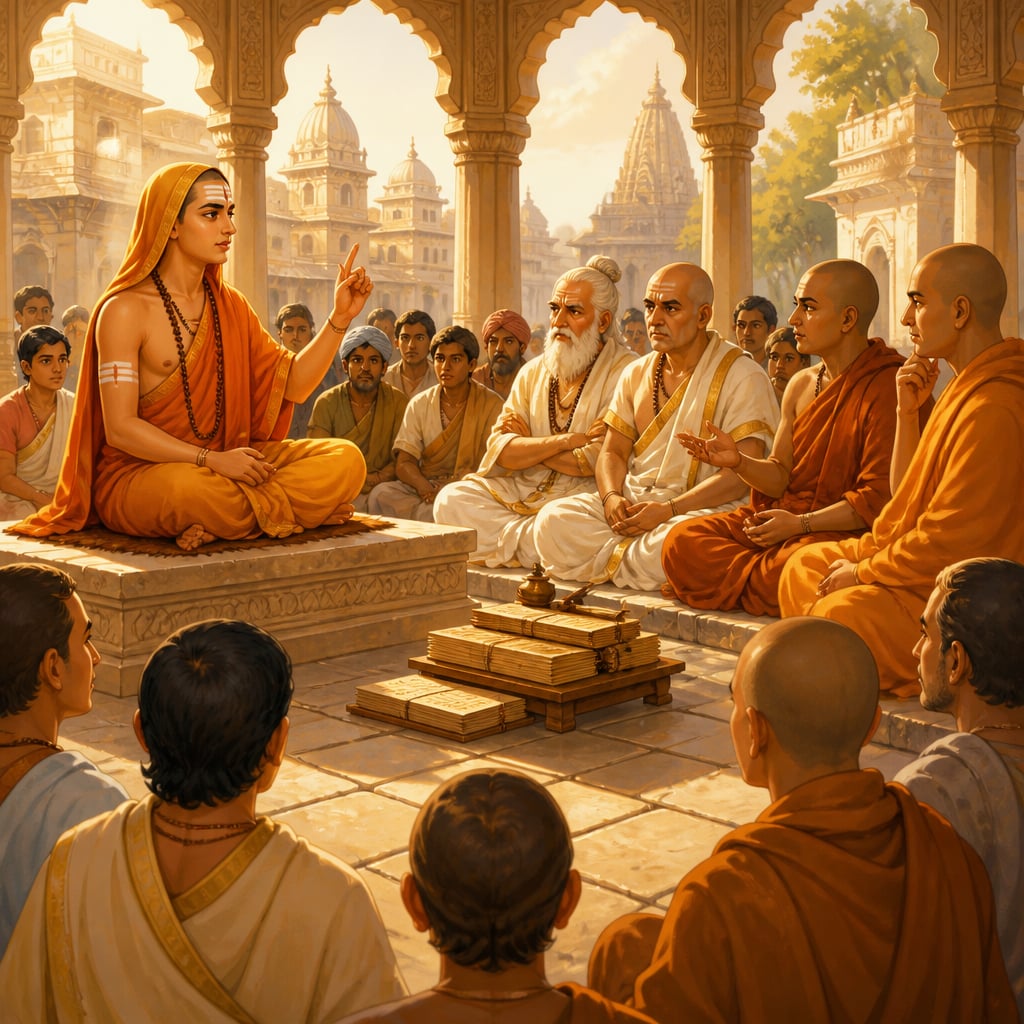
यह intellectual immune system को colonial education से systematically destroy किया गया। Macaulayan system ने shastrartha को rote memorization और English-medium instruction से replace किया जिसने students को Sanskrit intellectual traditions से sever कर दिया। इसने debaters या thinkers produce नहीं किए। इसने clerks और bureaucrats produce किए जो किसी और की civilization को administer करने के लिए trained थे।
Modern Revival: Defense से Assertion तक
India के intellectual landscape में past two decades का सबसे significant shift defensive apologetics से assertive civilizational scholarship की ओर है। तीन developments इस transformation को illustrate करते हैं।
The Genetic Counter-Narrative
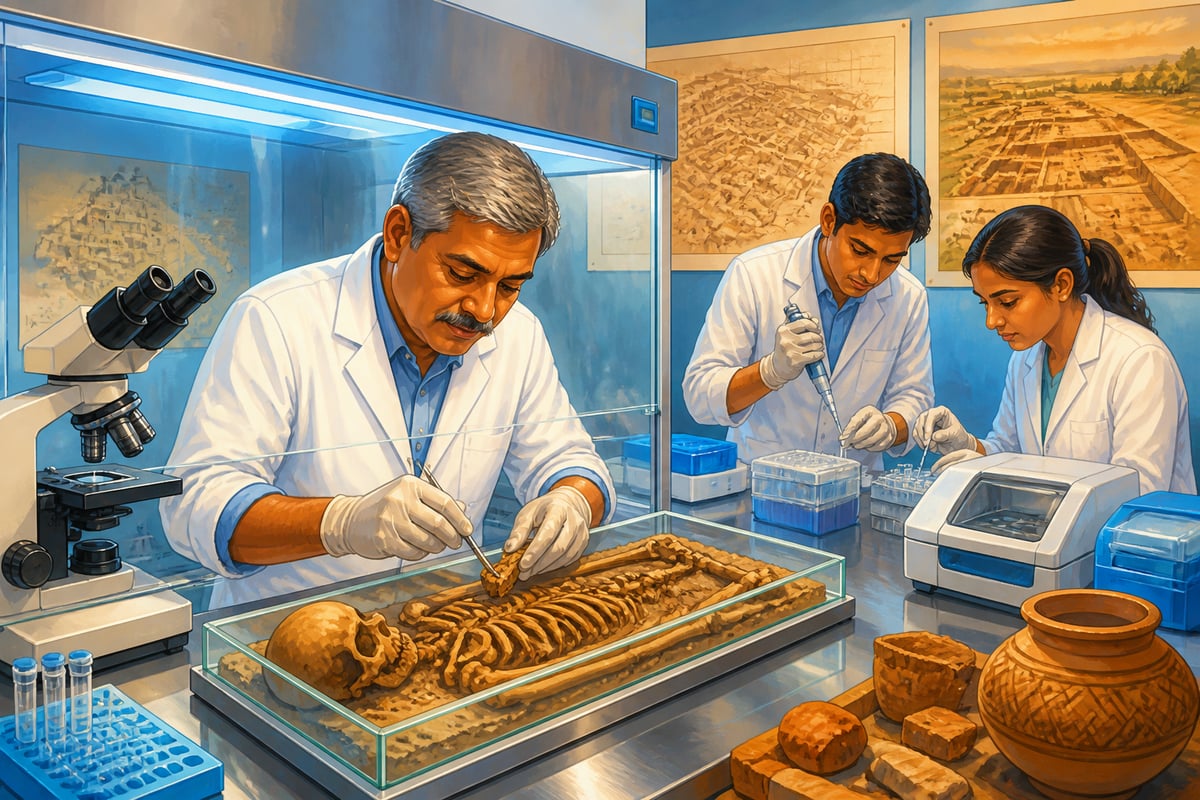
2018 की Rakhigarhi study जिसे Vasant Shinde और Niraj Rai ने Cell journal में publish किया, एक watershed moment था। 4,500-year-old Harappan skeleton से ancient DNA को extract और analyze करके, team ने demonstrate किया कि Harappan people को Central Asian Steppe populations से कोई significant genetic input नहीं मिली जो supposed 'Aryan' migration के साथ जुड़े हैं। यह एक political claim या Hindu nationalist assertion नहीं था। यह peer-reviewed genetic science था जो दुनिया के top scientific journals में से एक में publish हुआ था। Finding ने AIT की very foundation को strike किया यह दिखाकर कि India के civilizational builders indigenous थे, invaders नहीं।
The Legal-Civilizational Framework
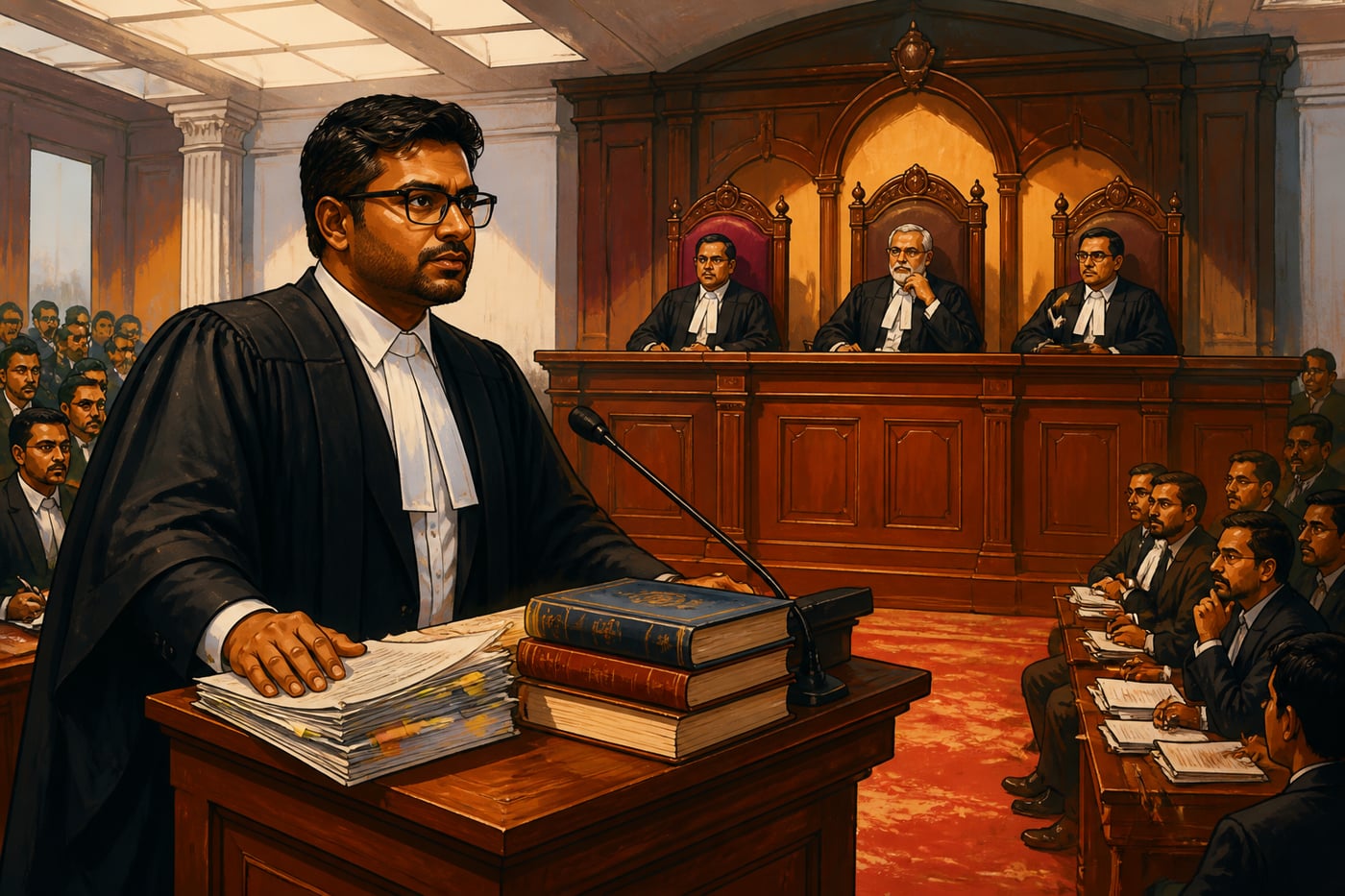
J. Sai Deepak, एक Supreme Court advocate, ने modern legal और public arena में shastrartha spirit को revive किया है। उनकी 'India That Is Bharat' से शुरू होने वाली trilogy कुछ unprecedented करती है: यह colonizer के अपने legal frameworks को use करते हुए demonstrate करती है कि ये frameworks कैसे Indian civilization को suppress करने के लिए designed थे। उनका method ancient Purva Paksha approach को mirror करता है। वह reads, understands, और engaging arguments के strongest versions को engage करते हैं opposing arguments को systematically dismantle करने से पहले। उनकी public debates demonstrate करती हैं कि assertive civilizational argument aggression नहीं है। यह intellectual honesty है action में। जो shift वह represent करते हैं, 'please understand us' से 'यहाँ देखो evidence क्या दिखाता है' तक, Hindu civilization के इस बात में generational transformation को mark करता है कि वह अपने critics के साथ कैसे engage करती है।
Institutional Counter-Scholarship
Rajiv Malhotra की Infinity Foundation ने Swadeshi Indology conference series specifically launch किया young Indian scholars को Western Indology को अपने own terms पर challenge करने के लिए train करने के लिए। Rather than Western scholarship को simply reject करने या engagement के बिना dismiss करने के, Swadeshi Indology participants को require करता है कि वह read करें, understand करें, और फिर rigorous तरीके से Western academic works को rebut करें Purva Paksha method use करते हुए। Movement ने published rebuttals produce किए हैं scholars जैसे Sheldon Pollock के, जिन्होंने argue किया कि Sanskrit एक 'dead' language थी political power की, और Audrey Truschke के, जिनका Aurangzeb पर काम sources के selective use के लिए challenge किया गया। इसने एक alternative academic ecosystem create किया जो fifteen साल पहले simply exist नहीं करता था।
Argumentative Infrastructure को Build करना
Counter-narratives institutions के बिना soil के बिना seeds हैं। Individual brilliance fade हो जाती है। Institutional capacity compound होती है।
Long-term challenge है permanent infrastructure को dharmic scholarship के लिए चार fronts पर build करना।
First, dedicated universities और research centers जो dharmic epistemological frameworks से original scholarship produce करें, rather than perpetually dharmic knowledge को Western academic categories में fit करने के, जो इसे distort करते हैं। Second, publication ecosystems जिनमें journals, publishing houses, और translation projects हों जो इस scholarship को accessible और peer-reviewed बनाएँ। Third, training programs जो young scholars को Purva Paksha की art सिखाएँ: कैसे hostile scholarship को carefully read करें, उसकी methodological weaknesses identify करें, और rigorous counter-arguments produce करें जो original के academic standards को meet या exceed करें। Fourth, digital platforms जो civilizational knowledge को general public के लिए accessible बनाएँ, ensure करते हुए कि counter-narratives academic journals में trapped न रहें जबकि false narratives social media, textbooks, और popular culture पर dominate करते हैं।
Defensive से assertive में shift aggression या triumphalism के बारे में नहीं है। यह intellectual self-confidence के बारे में है जो genuine knowledge में rooted है। एक civilization जो अपनी philosophical depth को समझती है, अपने scientific contributions को समझती है, अपनी internal reform की capacity को understand करती है और self-correction करती है, उसे apologize करने की ज़रूरत नहीं है कि वह exist करती है। उसे articulate करने की ज़रूरत है कि वह क्या जानती है।
Shastrartha tradition सिखाती है कि strongest argument जीतता है। Loudest voice नहीं। Most politically connected position नहीं। Most fashionable theory नहीं। वह argument जो Purva Paksha को withstand करता है, जो rigorous cross-examination से survive करता है, जो counter-evidence को account करता है rather than ignoring करता है। यह tradition को revive करना India की civilizational immune system को revive करना है अपने most fundamental level पर: clearly सोचने, rigorously argue करने, और confidently अपनी own knowledge tradition में stand करने की ability, जबकि genuinely others से सीखने के लिए open रहते हैं।
Case studies
Rakhigarhi DNA और आर्य आक्रमण सिद्धांत का पतन
150 साल से अधिक के लिए, आर्य आक्रमण सिद्धांत (AIT) Indian civilization को 'आक्रमणकारियों' और 'मूल निवासियों' में divide करने के लिए foundational narrative serve करता रहा। इसने British colonialism को justify किया, Dravidian separatism को fuel किया, और caste-as-race thesis को academic cover दिया। Theory Sanskrit और European languages के बीच linguistic similarities पर rest करता था, 19वीं सदी के racial lens के through interpreted, जो assume करता था कि language equals race और similarity equals migration from Europe। 20वीं सदी के late by, archaeological evidence पहले से AIT को undermine कर रहा था, जैसे Harappan sites invasion या violent conquest के कोई निशान नहीं दिखाते थे। लेकिन decisive blow genetics से आया। 2018 में, Vasant Shinde और Niraj Rai ने एक team को lead किया जिसने Rakhigarhi, India की largest Harappan site, से एक 4,500-year-old female skeleton से ancient DNA को extract किया। Results, Cell journal में published, दिखाते हैं कि Rakhigarhi individual को Central Asian Steppe populations से कोई significant genetic input नहीं था, वही populations जिन्हें Aryan Migration Theory claim करता था कि Sanskrit और Vedic culture को India लाए थे।
Rakhigarhi findings उस से align करते हैं जो Vedic texts themselves describe करते हैं। Rigveda के hymns Sarasvati River को एक mighty, flowing river के रूप में celebrate करते हैं, एक dried-up memory नहीं। क्योंकि Sarasvati लगभग 1900 BCE में dry हो गई, यह Vedic composition को well before supposed 'Aryan arrival' of 1500 BCE में place करता है। Shrikant Talageri की Rigveda की internal geography की analysis westward expansion को Sarasvati-Drishadvati region से दिखाती है, Central Asia से eastward नहीं। Genetic evidence ने confirm किया जो textual और archaeological evidence long से suggest कर रहे थे: Harappan civilization के builders और Vedas के composers same indigenous population थे।
Rakhigarhi study ने academic discourse में एक significant recalibration को force किया। जबकि committed AIT proponents 'Aryan Migration Theory' के softer versions में shift किए, genetic evidence ने original invasion narrative को scientifically untenable बना दिया। Indian scientists ने अपनी civilization के एक foundational question को Western academic gatekeepers से reclaim किया, same scientific methodology को use करते हुए जिसे West authoritative मानता है।
Counter-narratives जो empirical evidence से backed हों और peer-reviewed venues में publish हों ideology के रूप में dismiss नहीं किए जा सकते। 'यह हमारी tradition का view है' से 'यह है जो genetic data show करता है' तक shift defensive assertion से evidence-based civilizational scholarship तक transition को mark करता है।
Rakhigarhi model demonstrate करता है कि effective counter-narrative कैसा दिखता है: Indian scientists, Indian sites, Indian questions, internationally respected journals में published। यह template को archaeology, linguistics, और historical studies पर replicate करने की ज़रूरत है remaining colonial-era frameworks को systematically dismantle करने के लिए।
Rakhigarhi ancient DNA study, जो 2019 में Cell में published हुई, एक 4,500-year-old Harappan skeleton को analyze की और पाया कि individual एक ऐसी population के belong करते हैं जिसके पास कोई significant Steppe ancestry नहीं है, वह genetic signature जो expected होती अगर Aryan Invasion Theory सही होती। Rakhigarhi largest known Harappan site है, 350 hectares से अधिक spanning।
J. Sai Deepak और आधुनिक भारत में शास्त्रार्थ का पुनर्जन्म
Independence के बाद के दशकों के लिए, Hindu civilizational discourse public sphere में largely defensive था। Scholars और commentators या तो अपनी tradition के aspects के लिए apologize करते थे या silent रहते थे जबकि Western academics और Indian Leftist intellectuals debate के terms को define करते थे। Dominant mode reactive था: accusations को respond करना, misunderstandings को clarify करना, understanding के लिए plead करना। J. Sai Deepak, एक Supreme Court advocate, ने यह pattern को break किया। उनकी 2021 book 'India That Is Bharat: Coloniality, Civilisation, Constitution' ने Indian public discourse में कुछ unprecedented किया: colonizer के own legal और constitutional frameworks को use किया meticulous documentation के साथ demonstrate करने के लिए कि कैसे वही frameworks Indian civilizational consciousness को suppress करने के लिए designed थे। उनका method pure Purva Paksha था। उन्होंने colonial administrators, European legal theorists, और Indian constitutional scholars को read किया अपने terms पर, उनके arguments को accurately represent किया, और फिर systematically दिखाया कि कैसे उनके conclusions एक specific civilizational worldview के products थे जो India पर imposed किया गया था।
Sai Deepak का approach classical Shastrartha tradition को तीन ways में mirror करता है। पहले, वह rigorous Purva Paksha करते हैं, अपने opponents के strongest arguments को read और understand करते हैं उन्हें engage करने से पहले। दूसरे, उनका method Vada (honest inquiry) है rather than Vitanda (mere destruction), जैसे कि वह एक positive civilizational framework को build करते हैं rather than simply opponents को attack करने के। तीसरे, उनकी public debates Shastrartha ideal को model करती हैं respectful लेकिन unyielding intellectual engagement की, जहाँ evidence और logic outcome को determine करते हैं rather than rhetorical aggression के।
Sai Deepak की trilogy contemporary India में civilizational scholarship के सबसे widely read works में से एक बन गई। उनकी public debates ने millions के audiences को online draw किया, demonstrate करते हुए कि एक vast, underserved demand थी assertive, intellectually rigorous civilizational argument के लिए। उन्होंने young lawyers, scholars, और public intellectuals की एक generation को inspire किया अपने काम में Purva Paksha method को adopt करने के लिए।
Shastrartha tradition एक historical curiosity नहीं है। इसके core principles, अपने opponent की position को accurately समझना, उनके strongest arguments को engage करना, अपना case evidence पर build करना rather than emotion पर, बिल्कुल वही हैं जो modern civilizational discourse को चाहिए। Defensive से assertive तक shift को method की चाहत है, केवल passion नहीं।
Sai Deepak की success demonstrate करती है कि Indian public serious civilizational scholarship के लिए ready है जो accessible form में present हो। Challenge ज़्यादा scholars को produce करना है जो उनकी rigor को उनकी ability के साथ combine करें general audiences को complex ideas communicate करने की। यह चाहिए training, institutions, और platforms, वही infrastructure जिसे यह lesson argue करता है build किया जाना चाहिए।
'India That Is Bharat' 2021 में publication के weeks के within एक national bestseller बन गई। Sai Deepak की public debates YouTube और social media पर collectively tens of millions views को garner की हैं, उन्हें India में most-watched civilizational thinkers में से एक बनाते हुए।
Infinity Foundation की Swadeshi Indology: Counter-Academic Ecosystem को Build करना
Western Indology Indian civilization के academic study पर एक near-monopoly hold करते आ रहा है। Harvard, Columbia, Chicago, और Oxford के Scholars ने Sanskrit texts, Indian history, और Hindu philosophy के authoritative interpretations produce किए जो फिर Indian universities में teach किए जाते थे। इनमें से कई interpretations colonial-era assumptions, Freudian psychoanalysis, और post-colonial theory से shaped थे जो Indian traditions को power structures में reduce करते थे। Sheldon Pollock argue करते थे कि Sanskrit एक 'dead' language थी political domination की। Wendy Doniger की school ने Hindu deities को psychosexual frameworks से interpret किया। Audrey Truschke ने Aurangzeb को एक misunderstood moderate के रूप में portray किया। Indian scholars जिन्होंने इन interpretations को challenge किया, उन्हें 'Hindu nationalists' के रूप में dismiss कर दिया गया regardless of their academic credentials। Rajiv Malhotra की Infinity Foundation ने इसे एक structural problem के रूप में identify किया: individual rebuttals insufficient थे क्योंकि Western academic ecosystem हमेशा more hostile scholarship produce कर सकता था faster than individual Indian scholars इसे refute कर सकते। Solution institutional होना ही था।
Malhotra ने explicitly Swadeshi Indology को Purva Paksha tradition पर model किया। Conference participants को Western academic works को read करने के लिए require किया गया जिन्हें वह challenge करना intended करते थे, न कि summary या caricature में बल्कि full में। उन्हें scholar के thesis, methodology, और evidence को accurately represent करना पड़ता था उनके rebuttal को present करने से पहले। यह movement को outrage के एक echo chamber बनने से prevent करता था और इसे Western academic standards को meet करने के लिए force करता था evidence और argumentation के।
Swadeshi Indology conferences, 2016 में launched, Western Indological works के लिए multiple volumes of published rebuttals produce किए। Young Indian scholars जो Western academic methodology में trained थे लेकिन dharmic knowledge frameworks में grounded थे counter-scholarship produce करने लगे जिन्हें methodological grounds पर dismiss नहीं किया जा सकता। Movement ने demonstrate किया कि problem Indian talent की कमी नहीं थी बल्कि institutional support और academic counter-argumentation के art में training की कमी थी।
Counter-narratives institutional backing के बिना guerrilla campaigns जैसे हैं: वह harass कर सकते हैं लेकिन territory को hold नहीं कर सकते। Indian civilization के study में lasting change को permanent academic institutions, training pipelines, publication networks, और funding mechanisms को build करने की चाहिए जो scholarship को generations पर sustain कर सकें।
Swadeshi Indology model को disciplines पर scale करने की चाहिए: history, political science, sociology, religious studies, और law। हर field जहाँ colonial-era frameworks अभी भी India के study को define करती हैं इस institutional counter का अपना version चाहिए। Template exist करता है। जो चाहिए है resources, scholars, और build करने की civilizational will।
Swadeshi Indology conference series, 2016 में Rajiv Malhotra की Infinity Foundation द्वारा launched, ने Indian cities के across multiple editions hold किए हैं और Western Indological works के लिए several volumes of published academic rebuttals produce किए हैं, सैकड़ों young Indian scholars को Purva Paksha method में civilizational counter-scholarship में train किया।
Reflection
- आखिरी बार सोचो जब तुम्हें Indian civilization के बारे में एक claim का सामना हुआ जो गलत लगा लेकिन तुम explain नहीं कर पाए कि क्यों। क्या चीज़ तुम्हें respond करने से रोकी? क्या evidence की कमी थी, confidence की कमी थी, labeled होने का डर था, या कुछ और? अगली बार effectively respond करने के लिए तुम्हें क्या चाहिए, knowledge, practice, या community?
- Purva Paksha method को genuinely opponent की position को समझना required करता है refute करने से पहले। इसका मतलब है scholars को जिनसे तुम disagree करते हो carefully read करना और उनके arguments को fairly represent करना। तुम कैसे distinguish करते हो opponent के best arguments को engage करने और false narratives को legitimacy देने के बीच? Intellectual generosity और strategic naivety के बीच line कहाँ है?
- 'defensive' से 'assertive' civilizational discourse में move करने के लिए lesson argue करता है। लेकिन self-criticism के बिना assertion dogmatism का same type बनने का risk रखता है जो Shastrartha tradition को prevent करने के लिए design किया गया था। एक civilization अपनी strengths को कैसे assert करती है जबकि intellectual humility को maintain करती है अपनी genuine weaknesses को acknowledge और correct करने के लिए?