Building Dharmic Legacy
Contributing to community and tradition
What will you leave behind? The dharmic approach to legacy differs fundamentally from the Western model of activist monuments and identity-based achievements. True legacy comes through service to family and community, transmission of wisdom, preservation of tradition, and dharmic living that inspires others. For tritiya prakriti individuals, this means building a legacy through contribution, as the hijra guru who guides disciples, the community member who serves selflessly, the professional whose excellence inspires, rather than through identity politics that leaves only grievance and struggle as inheritance.
What Is Legacy?
The Western View: Monuments to Identity
In Western LGBTQ culture, legacy often means:
- Being remembered as a pioneer or activist
- Having your name attached to causes or organizations
- Achieving firsts, first trans person in some role
- Being cited in identity history
This creates a particular kind of legacy: one built on identity category, struggle narrative, and political achievement. The question becomes: "How did you advance the cause? What did you achieve for the movement?"
The Dharmic View: Seeds of Dharma
The dharmic tradition measures legacy differently. The question is not "What did you achieve for your identity group?" but:
- What wisdom did you transmit?
- Whom did you serve?
- What traditions did you preserve?
- How did you strengthen family and community?
- What dharmic example did you set?
This is legacy measured by impact on others' lives and dharmic growth, not by political victories or identity firsts.
The Guru-Chela Legacy
In hijra communities, the highest form of legacy is being a guru who shapes disciples. The guru's legacy lives through the chelas (disciples), their character, their practice, their service. This is living legacy: not a monument but a lineage.
The guru doesn't ask: "How will I be remembered?" The guru asks: "How can I help these chelas flourish? What wisdom can I transmit? How can I prepare them to guide others?"
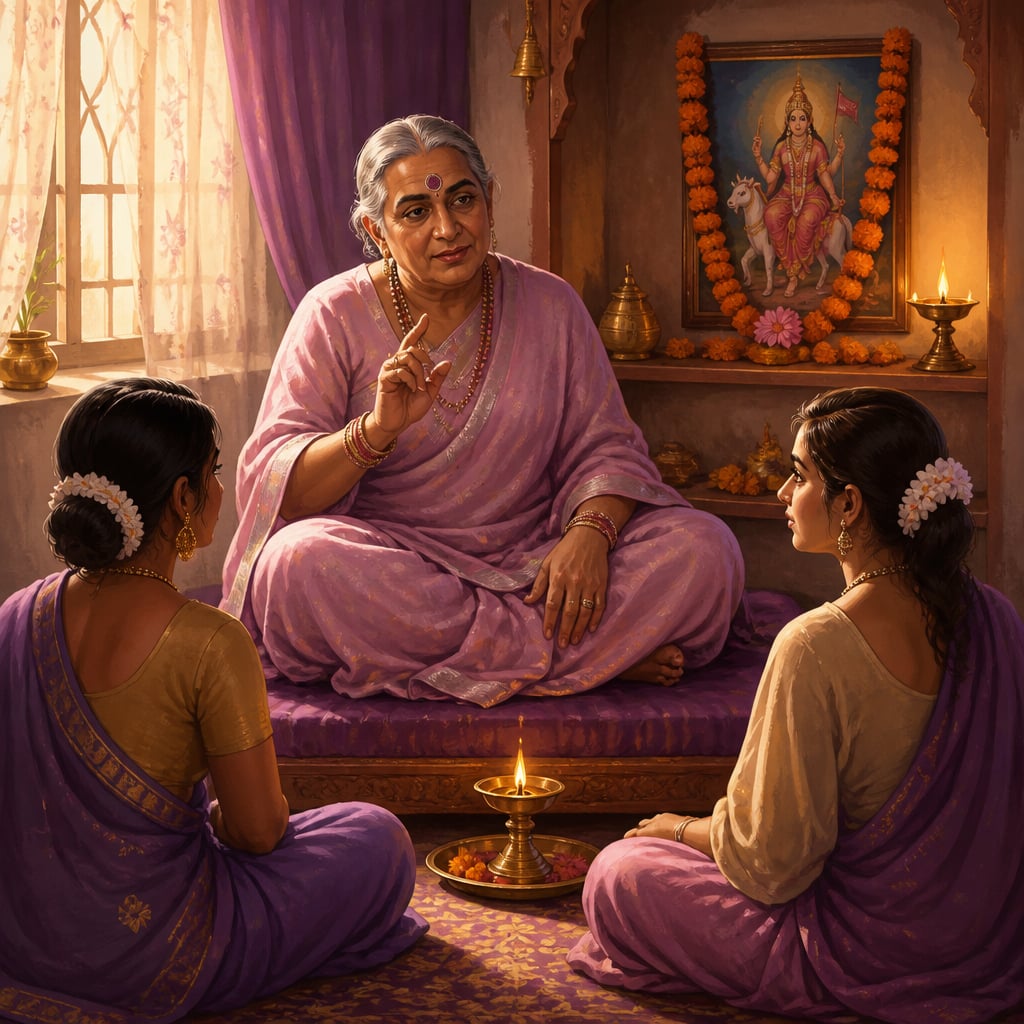
This is the dharmic model of legacy: impact through relationship, wisdom through transmission, and continuity through those you've shaped.
Types of Dharmic Legacy
1. Family Legacy
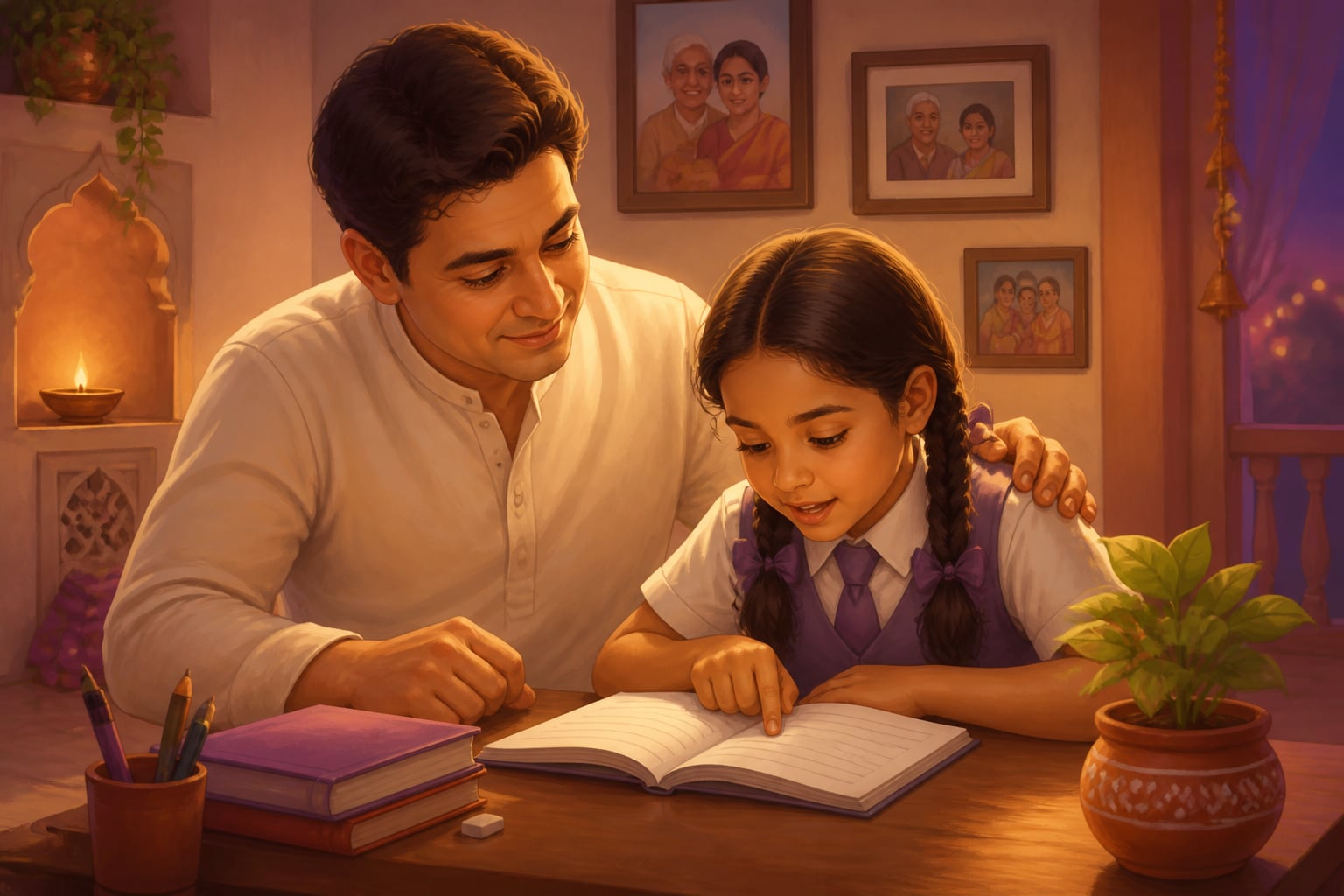
Even without biological children, tritiya prakriti individuals can leave profound family legacy:
As a Son or Daughter
- Caring for aging parents
- Supporting siblings through difficulties
- Being the stable family member others rely on
- Transmitting family traditions to next generation
As an Uncle, Aunt, or Elder
- Mentoring nieces and nephews
- Preserving family stories and wisdom
- Being the one who connects generations
- Providing guidance during difficult times
As Chosen Family
- For those estranged from birth family, chosen family can be equally meaningful
- The guru-chela relationship creates family bonds
- Deep friendships become family over time
The family legacy isn't about being remembered as "the trans family member who fought for acceptance." It's about being remembered as "the one who was always there, who held us together, who transmitted wisdom."
2. Community Legacy
Dharmic community legacy comes through service and contribution:
Seva (Service)
- Years of quiet service at temple or community organization
- Helping neighbors through difficulties
- Being the one who shows up when needed
- Charitable giving and support for those in need

Cultural Preservation
- Maintaining traditional arts, dance, music, crafts
- Teaching younger generations
- Preserving rituals and practices
- Being a link in unbroken tradition
Spiritual Guidance
- For hijra gurus, guiding disciples on the spiritual path
- For others, being an example of dharmic living
- Supporting others' spiritual practice
- Maintaining temple traditions
Community legacy isn't measured by identity-based achievements but by the difference you made in lives around you.
3. Professional Legacy
As explored in the previous lesson, professional legacy comes through excellence and contribution:
- Mastery of craft that inspires others
- Mentoring younger colleagues
- Building institutions or practices that outlast you
- Setting standards of excellence
The Varanasi weaver Meera's legacy isn't "first tritiya prakriti weaver to...", it's the apprentices trained, the techniques preserved, the beauty created.
4. Dharmic Example
Perhaps the most powerful legacy: living in a way that shows others what's possible.
- Demonstrating that tritiya prakriti individuals can flourish through dharma, not activism
- Showing that identity doesn't have to be defined by struggle
- Modeling integration through contribution
- Living sthitaprajna stability that others can see
This legacy doesn't require achievements or monuments. It requires living your dharma visibly so others can learn from your example.
The Hijra Guru Tradition
Wisdom Transmission
The hijra guru-chela tradition offers a profound model of dharmic legacy. The guru doesn't just lead a household, they transmit a way of life:
- Spiritual teaching, Devotion to Bahuchara Mata, ritual practice, inner development
- Practical wisdom, How to navigate society, earn livelihood, maintain dignity
- Community knowledge, History, traditions, connections to larger hijra network
- Character formation, Discipline, service, proper conduct
The guru's legacy lives in the chelas. When a chela eventually becomes a guru themselves, the lineage continues.
Beyond Biological Lineage
This model addresses a question many tritiya prakriti individuals face: without biological children, how do I leave legacy?
The answer: through wisdom lineage, not biological lineage. The guru-chela relationship proves that legacy doesn't require genetic connection. It requires investment in others' growth.
This model is available to all tritiya prakriti individuals, whether or not they're part of the formal hijra community:
- Mentor younger people
- Transmit wisdom and skills
- Invest in others' development
- Create relationships of depth and meaning
The Guru's Mortality
Hijra gurus face death knowing their legacy lives in their chelas. The community continues. The lineage persists. The wisdom transmitted will be transmitted again.
This is dharmic legacy: not a monument that decays but a living tradition that grows.
What the West Gets Wrong About Legacy
The Activist Monument Problem
Western LGBTQ legacy is often framed around activist achievements:
- "Pioneer who fought for rights"
- "First trans person to..."
- "Founder of advocacy organization"
- "Veteran of the movement"
This creates several problems:
1. Legacy depends on political outcomes If the movement succeeds, you're a hero. If it fails or reverses, what remains of your legacy?
2. Identity becomes the primary frame You're remembered for your category, not for who you were as a person or what you contributed beyond identity politics.
3. Struggle becomes the narrative Your life becomes a story of fighting against oppression, rather than a story of flourishing, creating, loving, and serving.
4. Monuments replace relationships Statues, named buildings, and historical mentions are poor substitutes for lives you've touched and wisdom you've transmitted.
The Grievance Inheritance
Worse, identity-based legacy can transmit grievance to the next generation:
- "We're an oppressed people; never forget the struggle"
- "Society is against us; stay vigilant"
- "Our identity is defined by what we've fought against"
This is a painful inheritance. Instead of wisdom, peace, and purpose, the next generation receives grievance, suspicion, and struggle.
The dharmic alternative: transmit flourishing, not suffering. Show that tritiya prakriti individuals can thrive through dharma, not just survive through activism.
The Cancel Culture Trap
Western identity politics increasingly involves "canceling" those who disagree, destroying careers, reputations, and relationships over ideological differences.
This creates a legacy problem: if your achievement is having "canceled" opponents, what have you actually built? If your legacy is enemies destroyed rather than lives enriched, is that a legacy worth having?
The dharmic response: build, don't destroy. Strengthen, don't tear down. Leave behind creation, not wreckage.
Building Your Dharmic Legacy
Start Now
Legacy isn't built at the end of life, it's built through the accumulation of daily choices. Every day offers opportunities:
- Serve someone
- Transmit wisdom
- Strengthen a relationship
- Contribute to community
- Practice dharma visibly
Invest in Relationships
The deepest legacy is relational. Invest in:
- Family members who will carry your influence forward
- Younger people who can learn from your experience
- Community members who will remember your service
- Disciples (formal or informal) who will transmit what you've taught
Preserve and Transmit
Be a link in the chain of tradition:
- Learn traditional practices and pass them on
- Tell the stories that should be remembered
- Maintain rituals and observances
- Connect younger generations to dharmic wisdom
Document Wisdom
Some legacy can be preserved in more permanent forms:
- Write down insights and experiences for family
- Record stories and teachings
- Create art or craft that outlasts you
- Contribute to community archives
Live the Example
The most powerful legacy is often simply: a life well-lived.
Live in a way that shows others what's possible. Demonstrate that tritiya prakriti individuals can:
- Flourish without activism
- Find stability without constant struggle
- Integrate through contribution
- Achieve peace through dharma
Your life itself becomes the teaching.
Legacy for the Diaspora
Cultural Transmission
Indians in Western countries have a particular legacy responsibility: transmitting dharmic understanding to the next generation.
Without active transmission, the next generation will know only Western frameworks for understanding gender diversity. They'll inherit grievance narratives, identity politics, and victim-oppressor thinking.
With active transmission, they can know:
- Tritiya prakriti has been recognized in dharmic tradition for 4,000 years
- Integration through contribution, not activism
- Stability through dharma, not political victories
- Divine precedent in Ardhanarishvara and Shikhandi
This transmission is itself a legacy, giving the next generation access to something the surrounding culture doesn't offer.
Building Dharmic Institutions
For those with resources and ability, building institutions that outlast you:
- Temple communities that teach dharmic approaches
- Educational programs that transmit traditional wisdom
- Support networks that help families navigate dharmic paths
- Cultural organizations that preserve arts and traditions
These institutions become legacy, ongoing impact beyond your individual life.
Modeling Integration
Perhaps the most important diaspora legacy: showing that it's possible.
Show the next generation that you can:
- Live in Western society without adopting Western identity politics
- Be tritiya prakriti without being defined by struggle
- Maintain dharmic grounding in secular environments
- Flourish through contribution rather than claiming
Your life becomes evidence that an alternative exists.
The Ultimate Perspective: Atman and Karma
Beyond This Life
Dharmic tradition teaches that this life is one of many. From this perspective, legacy takes on different meaning.
Your karma, the accumulated fruits of your actions, travels with you. The relationships you've invested in, the wisdom you've developed, the dharmic progress you've made, these affect your future lives, not just this one.
This is the ultimate legacy: the spiritual development that persists across lives.
Detachment from Legacy
Paradoxically, the dharmic approach to legacy includes detachment from legacy itself.
The Gita teaches: act without attachment to fruits. This applies to legacy too. Build legacy through right action, but don't cling to how you'll be remembered.
"Karmanye vadhikaraste ma phaleshu kadachana", You have the right to action, not to the fruits.
Do the right thing because it's right, not because of how it will be remembered. Serve because service is dharmic, not because of the reputation it builds. Transmit wisdom because it helps others, not to be remembered as wise.
This detachment, paradoxically, often creates the most meaningful legacy, because the actions are pure, not calculated for posthumous reputation.
Atman: The Deathless Self
Finally, remember: you are not ultimately the identity that seeks legacy. You are atman, deathless consciousness that witnesses all experience.
From this perspective, legacy matters less than you might think. The atman doesn't need to be remembered; it simply is. Your true self doesn't depend on monuments or memories.
This ultimate perspective liberates from anxious legacy-building. Yes, leave behind what you can. But know that your deepest nature is beyond all legacy, beyond all memory, beyond birth and death itself.
Practical Steps
This Month
- Identify one relationship where you can invest more, a family member, younger person, or community member
- Learn one traditional practice you can eventually transmit, a ritual, art form, or body of knowledge
- Perform one act of seva that benefits your community without seeking recognition
This Year
- Begin documenting, write down wisdom, record family stories, preserve what should be preserved
- Establish a mentoring relationship, formal or informal, begin transmitting to someone younger
- Strengthen community ties, become more involved in temple, cultural organization, or neighborhood
Long-Term
- Develop your legacy vision, what do you want to leave behind? Not in terms of monuments, but in terms of impact on lives
- Invest consistently, legacy is built through years of consistent action, not single achievements
- Prepare for transmission, as you age, focus increasingly on passing wisdom to the next generation
Conclusion: The Legacy That Matters
The Western model offers a legacy of monuments: achievements listed, firsts recorded, identity celebrated.
The dharmic model offers a legacy of lives touched: wisdom transmitted, relationships deepened, traditions preserved, communities strengthened.
For tritiya prakriti individuals, the choice is clear. You can spend your life building identity-based achievements, fighting political battles, accumulating activist credentials, and leave behind a legacy of struggle.
Or you can spend your life serving family and community, transmitting wisdom to the next generation, preserving traditions that have recognized you for millennia, and living dharmic example, and leave behind a legacy of flourishing.
The hijra guru who has shaped dozens of disciples leaves more legacy than the activist with a Wikipedia page. The uncle who held the family together leaves more legacy than the pioneer who achieved a first. The community member who served quietly for decades leaves more legacy than the spokesperson who gave a thousand interviews.
This is dharmic legacy: measured not by what the world remembers, but by the lives you've touched and the dharma you've transmitted.
As the course concludes, carry this forward: you are not a victim seeking acceptance. You are an empowered being with access to 4,000 years of wisdom, capable of flourishing through dharma, and responsible for building legacy that serves rather than struggles.
The choice is yours. The dharmic path is open. Walk it, live it, and leave it as your gift to those who follow.
Case studies
The Ahmedabad Guru: Legacy Through Lineage
In Ahmedabad, Gujarat, a hijra guru known as Kamala-ma (anonymized composite) led a household of fifteen chelas for over forty years. Kamala-ma had joined the hijra community as a young person, received diksha from her own guru, and eventually rose to lead her own household. Her focus was never on activism or public profile, it was on the formation of her chelas. She taught them devotion to Bahuchara Mata, practical skills for earning livelihood, discipline and proper conduct, and how to navigate society with dignity. She mediated conflicts, arranged marriages (within the community tradition), and ensured that traditions were maintained. When asked about her legacy, she said: 'My legacy is sitting around this room. If they flourish, I have succeeded. If they fail, I have failed.'
Kamala-ma embodies the guru-chela model of dharmic legacy. Her impact wasn't measured in political achievements or media coverage but in lives shaped. She transmitted a way of life: spiritual practice, community norms, practical wisdom. Her chelas carry her influence forward; when they eventually become gurus themselves, the lineage continues. This is living legacy, not frozen in monuments but flowing through relationships across time. Kamala-ma never fought for recognition or demanded acceptance. She built a household, trained disciples, and maintained tradition. The community around her thrived because of her leadership, not her activism.
When Kamala-ma passed, her household continued. Three of her senior chelas now lead their own households, each carrying forward what they learned. The lineage Kamala-ma received and transmitted continues in at least eight active households. Her name is remembered with reverence by those who knew her, not because of achievements but because of character. 'She taught us how to live,' one of her chelas says. 'Not just as hijras but as human beings. That's her legacy.'
The dharmic model of legacy: impact through relationship, not achievement for self. Kamala-ma's legacy is measured in the flourishing of her chelas, not in monuments or media mentions. This is available to all tritiya prakriti individuals: invest in relationships, transmit wisdom, shape lives. The people you touch become your legacy.
The guru-chela model of intergenerational legacy is finding new expression in modern mentorship networks, coaching circles, and skill-based communities across India. Whether in classical music gharanas, wrestling akharas, or tech startup ecosystems, the pattern of wisdom transmission through personal relationship creates more lasting impact than institutional programs. For individuals whose legacy will flow through mentorship rather than biology, this tradition offers a time-tested path.
Hijra guru-chela lineages in India can often be traced back many generations, with community historians maintaining knowledge of who trained whom. This living parampara represents centuries of dharmic legacy transmission.
The Identity Politics Legacy: Grievance as Inheritance
A prominent Western trans activist (composite based on documented patterns) built a career on identity politics: speaking engagements, media appearances, organizational leadership, and public advocacy. Their message was consistent: trans people are oppressed, society must change, those who disagree are bigots. They accumulated significant platform and influence, were cited as a pioneer, and became a face of the movement. Along the way, they participated in 'canceling' several people who disagreed, academics, journalists, and public figures who questioned trans ideology lost jobs or faced professional ruin. When the activist aged and retired, they reflected on their legacy. The political battles continued without resolution. The people they had 'canceled' were still suffering. Young trans individuals they had mentored were exhausted, anxious, and defined by struggle. The activist realized: 'I taught them to fight. I didn't teach them to flourish.'
This is the legacy problem of identity politics. The activist left behind: ongoing struggle rather than resolution; a generation trained in grievance rather than flourishing; people harmed in the name of the cause; no wisdom lineage, only activist credentials; identity defined by what was fought against, not what was built. The dharmic approach would have produced different legacy: people helped rather than enemies destroyed; wisdom transmitted rather than grievance perpetuated; relationships deepened rather than battles fought; example of flourishing rather than model of struggle. Kamala-ma shaped disciples who can flourish; the activist shaped followers who can only fight.
The activist is remembered in LGBTQ history but not particularly beloved. Their mentees carry forward the struggle but also the exhaustion. Several of the canceled individuals never recovered professionally. The activist's final reflection: 'I wonder if I could have done more good by living well and helping individuals than by fighting publicly and destroying opponents.' The legacy of identity politics is often this: achievements that feel hollow, relationships sacrificed for cause, and the next generation inheriting struggle rather than wisdom.
Identity-based activism creates a particular kind of legacy: struggle narratives, political achievements, enemies destroyed. This legacy often leaves those who inherit it exhausted rather than enriched. The dharmic alternative: build legacy through relationship, wisdom transmission, and example. Teach people to flourish, not just to fight. Leave behind lives touched rather than battles won.
The exhaustion visible among long-term activists in Western identity movements has prompted a generational shift. Younger gender-diverse individuals increasingly report seeking community through hobbies, spiritual practices, and professional networks rather than through activism. This organic pivot toward contribution-based belonging over grievance-based solidarity mirrors the dharmic teaching that sustainable legacy comes from lives enriched, not battles fought.
Studies of activist burnout show high rates of exhaustion, cynicism, and psychological distress among long-term activists. The legacy of struggle-based identity is often passed on as exhaustion rather than empowerment.
Living traditions
The hijra guru-chela tradition continues as a living parampara. Despite modernization and urbanization, the lineages persist. Some gurus now incorporate modern education and professional skills alongside traditional teaching. The tradition adapts while maintaining its essential character: wisdom transmission through relationship.
- Guru-Chela Parampara: The living tradition of teacher-disciple relationship in hijra communities. Gurus receive disciples through diksha (initiation), guide their development, and eventually see some become gurus themselves. This creates unbroken lineage across generations.
- Bahuchara Mata Devotion: The ongoing worship of Bahuchara Mata by the hijra community and their devotees. This tradition has been transmitted through generations of gurus, maintained through centuries, and continues as a living practice.
- Bahuchara Mata Temple: The spiritual center of hijra tradition, maintained through centuries of devotion. Visiting connects one to the living legacy of community, practice, and tradition that has been transmitted across generations.
- Hijra Community Household Shrines: Each hijra household typically maintains a shrine to Bahuchara Mata and sometimes other deities. These household shrines are centers of daily worship and community gathering, maintained by gurus and transmitted to their successors.
Reflection
- The hijra guru Kamala-ma said: 'My legacy is sitting around this room. If they flourish, I have succeeded.' How does this relational definition of legacy differ from achievement-based definitions? What would your relational legacy include?
- Krishna says that one who transmits wisdom to those who can receive it performs the highest devotion. What wisdom have you received that you could transmit? To whom could you transmit it?
- The Western activist reflected: 'I taught them to fight. I didn't teach them to flourish.' What's the difference between these two legacies? Which would you rather leave?
- For those in the diaspora: what dharmic wisdom about tritiya prakriti are you responsible for transmitting to the next generation? If you don't transmit it, who will?