Ṣaḍrasa: Six Tastes Before 'Macros'

Āyurveda's comprehensive taste-based approach to balanced nutrition

Explore the Ṣaḍrasa system, sweet, sour, salty, pungent, bitter, and astringent. Discover how Āyurveda used taste as a guide to nutrition millennia before macro counting, and how the intuitive eating movement is rediscovering what taste-wisdom always knew.

The Numbers Game

He opens MyFitnessPal for the fourteenth time today. The dashboard shows: 1,847 calories consumed, 143g protein, 156g carbs, 78g fat. He's 153 calories under his daily target, 12g short on protein. He has 'room' for another chicken breast or a protein shake.

He's not hungry. In fact, he had a satisfying lunch. But the numbers say he's short, so he forces down a protein bar, artificially sweetened, designed to hit macros without excess calories. It tastes like chemicals pretending to be food. He feels slightly nauseous afterward but satisfied that his numbers line up.

At the gym earlier, he overheard two athletes debating: 'I'm doing 40/30/30 for my cut.' 'Nah, you need higher protein, at least 1g per pound.' The conversation was entirely in numbers, percentages, grams, ratios. No one mentioned how any food tasted, how it felt to eat, whether meals were enjoyable.

Macro tracker eating a reduced fitness meal at his kitchen

This is modern nutrition: reduced to mathematics. Calories in, calories out. Macronutrient ratios optimized for goals. Food as fuel, quantified and tracked. The body as machine, inputs calculated for desired outputs.

And yet, despite unprecedented access to nutritional data, diet-related disease has never been higher. Despite apps tracking every gram, obesity and metabolic dysfunction reach epidemic levels. Despite optimization, something isn't working.
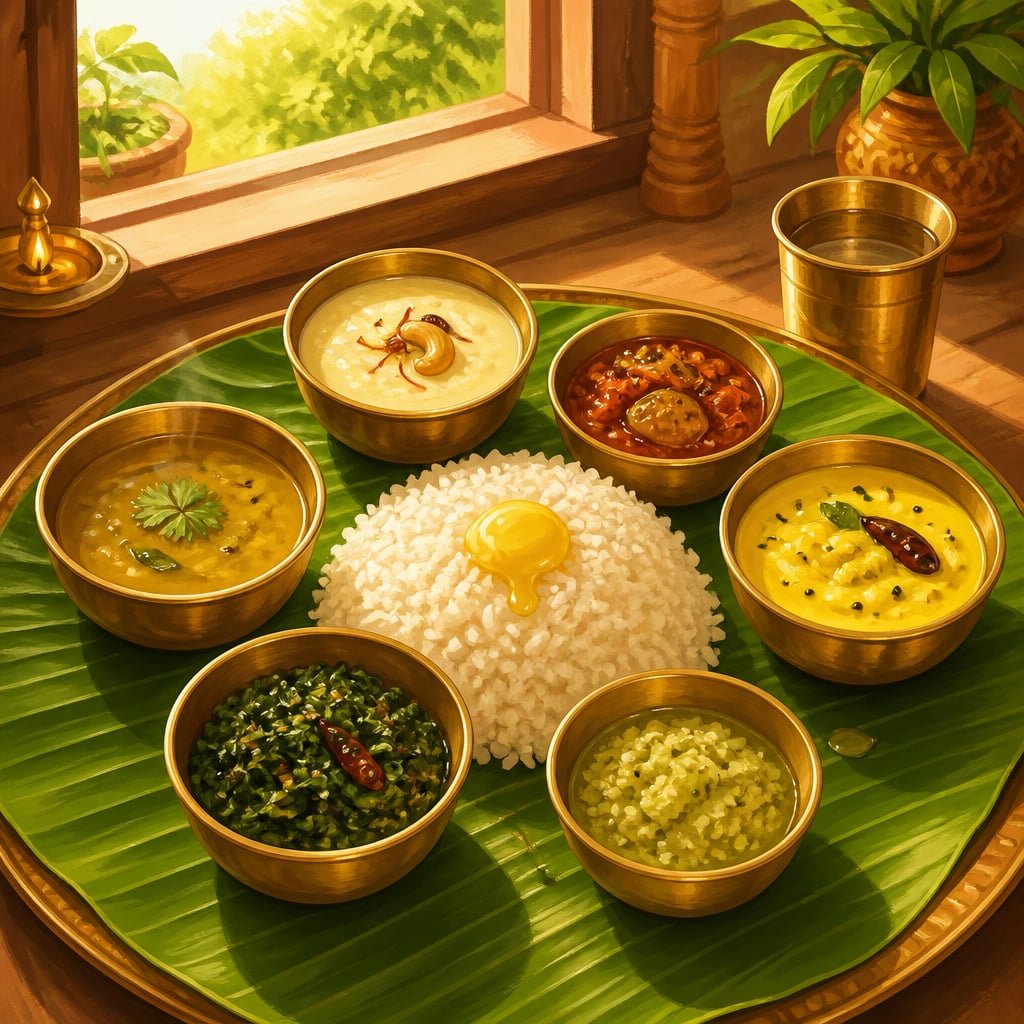
Traditional thali showing all six tastes of Ayurveda

Meanwhile, for over two thousand years, Āyurveda has offered a different approach: not numbers but tastes. Not macros but rasas. Not optimization but balance. Welcome to ṣaḍrasa, the six tastes that guided nutrition long before anyone counted a calorie.

The Six Tastes: An Overview

Ṣaḍrasa (षड्रस) literally means 'six tastes.' Āyurveda identifies six fundamental tastes that, together, provide complete nutrition:

  1. Madhura (मधुर), Sweet
  2. Amla (अम्ल), Sour
  3. Lavaṇa (लवण), Salty
  4. Kaṭu (कटु), Pungent
  5. Tikta (तिक्त), Bitter
  6. Kaṣāya (कषाय), Astringent

The system is elegantly simple: if each meal includes all six tastes in appropriate proportions, the body receives balanced nutrition. No counting required. No apps needed. The tongue itself becomes the guide.

This isn't primitive simplicity, it's sophisticated wisdom. Each taste correlates with specific elements, affects particular doṣas, and provides different types of nourishment. The system maps digestive effects, post-digestive effects (vipāka), and energetic properties (vīrya) that modern nutrition doesn't even recognize.

Modern macro-tracking asks: 'How many grams of protein?' Ṣaḍrasa asks: 'Is your meal complete?' The first approach requires external tools and constant vigilance. The second develops internal wisdom and sensory awareness.

Madhura: The Sweet Taste

Elements: Earth + Water Doṣa Effect: Increases Kapha, decreases Vāta and Pitta Qualities: Heavy, oily, cooling

Madhura encompasses far more than sugar and desserts. In Āyurveda, the sweet taste includes:

The sweet taste is considered the most nourishing, it builds tissues, provides energy, and creates satisfaction. It should form the largest portion of most meals, which is why traditional cuisines center on grains and root vegetables rather than protein.

Physical Effects: Builds all seven dhātus (tissues), strengthens body, promotes growth, nourishes reproductive tissues. Most sattvic (pure) of the tastes.

Mental/Emotional Effects: Creates contentment, satisfaction, love, compassion. The feeling after a nourishing meal is madhura's gift.

When Excessive: Weight gain, lethargy, congestion, diabetes, attachment, complacency.

Modern Context: The Western diet has excess processed sweet but deficiency in natural madhura. White sugar ≠ sweet potatoes, though both are 'sweet.' The quality of madhura matters as much as its presence.

Amla: The Sour Taste

Elements: Earth + Fire Doṣa Effect: Increases Pitta and Kapha, decreases Vāta Qualities: Hot, oily, light

Amla includes:

The sour taste stimulates appetite, aids digestion, and enhances the flavor of other foods. It's why lemon appears in so many cuisines, it awakens the palate and prepares digestion.

Physical Effects: Stimulates Agni, improves digestion and absorption, moistens tissues, dispels gas. The digestive fire responds immediately to sour taste.

Mental/Emotional Effects: Increases alertness, awakens the senses. Can also increase envy, jealousy, and criticism when excessive.

When Excessive: Acid reflux, skin problems, blood disorders, excessive heat. Those with Pitta imbalance should be cautious.

Modern Context: Fermented foods have experienced a renaissance with the microbiome movement. Traditional cuisines always included natural ferments (yogurt, pickles, fermented grains). Industrial food processing removed these, and we're now 'rediscovering' their benefits.

Lavaṇa: The Salty Taste

Elements: Water + Fire Doṣa Effect: Increases Pitta and Kapha, decreases Vāta Qualities: Hot, heavy, oily

Lavaṇa comes primarily from:

Salt is essential for life, it maintains fluid balance, nerve function, and mineral absorption. A meal without salt tastes flat; with appropriate salt, flavors come alive.

Physical Effects: Improves taste perception, aids digestion, maintains electrolyte balance, retains water in tissues. The body needs salt for basic function.

Mental/Emotional Effects: Promotes enthusiasm and zest for life in moderation. Excess creates craving, addiction, and attachment.

When Excessive: Water retention, high blood pressure, skin disorders, premature aging. Modern diets typically have excessive processed salt.

Modern Context: The salt debate rages in Western nutrition, some advocate extreme restriction, others say fear is overblown. Āyurveda's position: appropriate salt from quality sources is essential; excessive processed salt is harmful. Type and amount both matter.

Kaṭu: The Pungent Taste

Elements: Fire + Air Doṣa Effect: Increases Vāta and Pitta, decreases Kapha Qualities: Hot, dry, light

Kaṭu includes:

The pungent taste is the most heating, it kindles Agni, stimulates metabolism, and clears congestion. It's why spicy food makes you sweat and clears your sinuses.

Physical Effects: Stimulates digestion, increases metabolism, clears congestion, kills parasites, promotes circulation. The cleansing, heating fire.

Mental/Emotional Effects: Increases alertness, clarity, extroversion. Can promote anger, irritability, and aggression when excessive.

When Excessive: Burning sensations, inflammation, ulcers, skin problems, anger. Pitta types and those with inflammation should moderate.

Modern Context: Most Western cuisines are relatively bland compared to traditional Indian, Thai, or Mexican food. The modern spice revival reflects recognition that pungent flavors serve real purpose beyond heat sensation.

Tikta: The Bitter Taste

Elements: Air + Space Doṣa Effect: Increases Vāta, decreases Pitta and Kapha Qualities: Cold, dry, light

Tikta includes:

The bitter taste is the most absent from modern Western diets yet considered essential in Āyurveda. It's detoxifying, purifying, and deeply medicine-like.

Physical Effects: Reduces fat and water weight, detoxifies, reduces fever, purifies blood, clears skin. The cleansing, reducing taste.

Mental/Emotional Effects: Promotes clarity and introspection. Helps clear mental āma. Can increase grief, disillusionment when excessive.

When Excessive: Depletes tissues, causes dryness, weakens digestion. Vāta types and those who are already depleted should be cautious.

Modern Context: The Western palate has been trained away from bitter. Children reject it; adults add sugar to mask it. Yet bitter taste is crucial for liver function, detoxification, and metabolic health. The popularity of bitter greens, turmeric, and digestive bitters reflects emerging recognition of this absence.

Kaṣāya: The Astringent Taste

Elements: Air + Earth Doṣa Effect: Increases Vāta, decreases Pitta and Kapha Qualities: Cold, dry, heavy

Kaṣāya includes:

The astringent taste creates a puckering, drying sensation, think of biting into an unripe banana or drinking strong tea. It's the taste of tannins.

Physical Effects: Absorbs excess moisture, heals wounds, tones tissues, reduces bleeding and diarrhea. The compacting, drying taste.

Mental/Emotional Effects: Promotes grounding and organization. Can increase fear, insecurity, and rigidity when excessive.

When Excessive: Constipation, gas, heart problems, impairs absorption. Vāta types should balance with other tastes.

Modern Context: Like bitter, astringent is underrepresented in processed modern diets. Traditional diets included significant legumes (naturally astringent); modern Western eating often minimizes them. The current interest in plant-based protein brings legumes back.

The Modern Taste Deficiency

Audit the typical modern Western diet:

The imbalance is clear: excessive processed sweet and salt, deficient bitter and astringent. This correlates with modern disease patterns, the tastes that detoxify, reduce, and purify are precisely the ones missing.

Macro tracking doesn't catch this. You can hit perfect macros while eating zero bitter and astringent foods. The numbers look fine; the taste profile is incomplete; the body knows something is missing.

The Intuitive Eating Counter-Movement

In the 1990s, dietitians Evelyn Tribole and Elyse Resch developed Intuitive Eating as a response to diet culture's failures. Their approach rejected calorie counting and external rules in favor of internal body wisdom. Key principles included:

The movement gained traction as macro-obsession created problems: eating disorders, orthorexia, disconnection from hunger and satiety cues, loss of food enjoyment. People hitting their macros were miserable; the numbers weren't delivering promised happiness.

Intuitive Eating's insight: the body knows what it needs if we listen. External rules disconnect us from internal wisdom. Satisfaction matters, not just nutrition math.

This echoes ṣaḍrasa perfectly. Āyurveda never suggested counting anything, it suggested developing sensitivity to taste, hunger, satisfaction, and the body's responses. The six tastes provide structure without requiring tracking. A complete meal satisfies because it's complete, not because the numbers add up.

The difference: ṣaḍrasa offers more specific guidance than 'eat intuitively.' It gives criteria for completeness (all six tastes), tools for assessment (which tastes are missing?), and therapeutic direction (need more cleansing? add bitter and pungent). Intuitive Eating trusts the body; ṣaḍrasa educates the palate.

Together, they offer a middle path between obsessive counting and complete formlessness.

The One-Meal Formula

Classical Āyurveda recommends that each meal include all six tastes, properly proportioned. The traditional Indian thali exemplifies this:

The meal is naturally complete. No counting needed, the structure ensures balance. Every taste is represented; every doṣa is addressed; satisfaction comes built-in.

This differs dramatically from the modern 'chicken, rice, broccoli' fitness meal, which contains sweet (rice), perhaps trace pungent if seasoned, and almost nothing else. It hits macros but misses most tastes. The body registers 'incomplete,' triggering cravings that macro-perfection cannot satisfy.

Practical Application

How to apply ṣaḍrasa without becoming obsessive:

Daily Taste Audit: At the end of the day, quickly review: Did I have all six tastes? Most people will find bitter and astringent missing. This simple awareness guides tomorrow's choices.

Add What's Missing: If bitter is absent, add a side of sautéed greens. If astringent is low, include legumes. You needn't track amounts, just presence.

Build Complete Meals: When planning meals, consider taste completeness alongside nutrition. A simple framework: grain/starch (sweet) + protein/legume (sweet + astringent) + vegetables (bitter + astringent) + seasoning (salty + pungent) + something sour (citrus, pickle, fermented).

Develop Palate Sensitivity: Instead of eating while distracted, taste your food. Notice which tastes are present. The palate develops with attention; what once seemed bitter becomes pleasantly complex.

Seasonal Adjustment: In winter (Vāta season), emphasize sweet, sour, salty. In summer (Pitta season), emphasize sweet, bitter, astringent. In spring (Kapha season), emphasize pungent, bitter, astringent. The body naturally craves appropriately if the palate is educated.

Don't Overthink: The goal is awareness, not anxiety. Traditional cooks didn't track tastes consciously, they cooked complete meals through cultural knowledge. The framework guides; it shouldn't constrain.

What's Preserved and What's Lost

What's Preserved:

What's Lost:

Modern nutrition offers precision without wisdom. Intuitive eating offers wisdom without structure. Ṣaḍrasa offers both: a clear framework (six tastes) that develops rather than overrides internal awareness.

Beyond Counting

The macro tracker finishes his protein bar, logs it in the app, and sees satisfying numbers. But he's not satisfied, he's compliant. The numbers are right; the experience is joyless. He'll be hungry again soon, craving something the numbers can't identify.

Grandmother teaching granddaughter the six tastes

Meanwhile, somewhere, a grandmother serves a meal she didn't calculate. Rice and lentils, seasoned vegetables, a spoonful of pickle, a glass of buttermilk. Every taste represented, every portion intuitive. Her grandson eats with pleasure, feels satisfied for hours, and never thinks about grams.

Both meals might have identical macros. But one is complete; the other is merely calculated.

The six tastes don't replace nutrition science, they complement it with dimensions science doesn't measure. Satisfaction, completeness, the body's subtle responses to taste, these matter for long-term health and eating enjoyment.

You can count forever and still miss something. Or you can taste your way to completeness, using the tongue as the nutrition tool it evolved to be.

In the next lesson, we'll explore how these tastes combine with constitutional understanding: eating for your specific doṣa balance, not just following generic guidelines.

Most modern meals hit two or three tastes at most. A 'healthy' meal of grilled chicken, rice, and steamed broccoli covers sweet (rice) and maybe trace bitter (broccoli). Adding lemon (sour), seasoning properly (salty, pungent), and including legumes or greens (astringent, bitter) completes what was incomplete.

Unlike macro tracking, taste auditing is quick and simple. At day's end, mentally review: Did I have something sweet (beyond processed sugar)? Something sour? Salty? Pungent? Bitter? Astringent? Most people will find bitter and astringent consistently missing.

Key figures

Evelyn Tribole

American dietitian who co-developed Intuitive Eating with Elyse Resch in 1995. Their approach challenged diet culture's reliance on external rules and calorie counting, emphasizing internal body wisdom instead.

'Intuitive Eating: A Revolutionary Program That Works' (1995, with Elyse Resch) provided an evidence-based alternative to diet culture. The framework has since been validated by research on eating behavior and is widely used in eating disorder recovery.

Elyse Resch

American nutrition therapist who co-developed Intuitive Eating with Evelyn Tribole. She specializes in eating disorders and disordered eating, applying the framework clinically.

Co-authored 'Intuitive Eating' and developed clinical applications. Her work helped establish body-positive nutrition counseling as a legitimate practice, creating space for approaches that don't rely on counting and restriction.

Case studies

The Rise of Intuitive Eating: When Body Wisdom Returns

By the 2010s, diet culture had reached its apotheosis. Fitness apps tracked every gram. Social media overflowed with meal prep photos: identical containers of chicken, rice, and broccoli. Macro calculators promised optimal body composition through numerical precision. But something wasn't working. Despite more nutritional data than ever, eating disorders reached epidemic levels. Orthorexia - obsession with 'clean' eating - became recognized as a clinical condition. People hitting their macros reported joyless eating, constant food thoughts, and a disturbing disconnection from hunger and fullness. Intuitive Eating, developed in 1995 by Tribole and Resch, offered an alternative. Instead of external rules and counting, they proposed reconnecting with internal signals: honor your hunger, feel your fullness, discover satisfaction. Research validated the approach - intuitive eaters had lower BMIs, better psychological health, and fewer eating disorder symptoms than chronic dieters. The movement grew through the 2010s-2020s, becoming mainstream in nutrition counseling. Its insights were revolutionary for modern Western culture yet ancient in traditional perspective: the body knows what it needs. Satisfaction matters. Food is more than fuel. Ṣaḍrasa fits naturally alongside Intuitive Eating. Where IE offers principles (honor hunger, discover satisfaction), ṣaḍrasa offers structure (all six tastes create satisfaction). Where IE trusts body wisdom, ṣaḍrasa educates the palate so body wisdom has vocabulary. The approaches complement: IE without structure can drift into eating anything that 'feels right'; ṣaḍrasa without intuition can become another rigid rule system. The intuitive eating counter-movement represents Western culture rediscovering what traditional cultures knew: counting disconnects us from the body, while taste, satisfaction, and body wisdom are the true guides.

Charaka Samhita (Sutra Sthana 11) describes Ashta Ahara Vidhi Visheshayatana, eight factors of eating that include the nature of food, processing method, combination, quantity, place, time, dietary rules, and the eater's constitution. This holistic framework encompasses what modern intuitive eating partially rediscovered.

If you've struggled with diet culture - chronic counting, food anxiety, loss of eating enjoyment - the path forward isn't more tracking. It's developing taste sensitivity, seeking meal completeness, and trusting satisfaction. Ṣaḍrasa provides structure without rigidity, guidance without obsession.

Intuitive Eating's success reveals the failure of reductionist nutrition. When macro-tracking creates eating disorders and disconnection from hunger, the approach is fundamentally flawed regardless of numerical accuracy. Ṣaḍrasa offers what Intuitive Eating seeks: structure that supports rather than overrides body wisdom.

Intuitive Eating has become the dominant alternative to diet culture, with over 200 certified counselors in the US alone. Its emphasis on reconnecting with bodily signals parallels the Ayurvedic sadrasas framework, which uses taste as direct biofeedback rather than calorie counting as indirect measurement.

A 2021 meta-analysis in Eating Behaviors covering 97 studies found that intuitive eating improved psychological well-being by 0.45 effect size and reduced disordered eating by 0.52 effect size, while also lowering BMI in 62% of longitudinal studies.

Historical context

Classical Āyurveda to Modern Nutrition (c. 500 BCE – Present)

Living traditions

The ṣaḍrasa system lives on in traditional Indian cooking, Āyurvedic clinical practice, and increasingly in integrative nutrition. The intuitive eating movement represents partial Western rediscovery of taste-based eating wisdom. As the limits of macro-counting become clearer, eating disorders, orthorexia, disconnection from body wisdom, interest in holistic alternatives grows. Ṣaḍrasa offers what modern nutrition has sought through increasingly complex calculation: a simple framework for complete nourishment.

Reflection

More in Āhāra: From Sacred Eating to Biohacking

All lessons in Āhāra: From Sacred Eating to Biohacking · Indian Wellness Traditions: Modern Connections course