मीडिया और सूचना युद्ध
दुनियाभर की मीडिया कथाएँ, टूलकिट पत्रकारिता, और डिजिटल युद्ध
भारत के खिलाफ मीडिया युद्ध पाँच-परत वाली मशीन के जरिए चलता है: academic framing, legacy media का अनुवाद, NGO का प्रचार, fact-checker का नियंत्रण, और toolkit का समन्वय। यह पाठ बताता है कि कथाएँ कैसे पश्चिमी विश्वविद्यालय के सेमिनार से दुनियाभर की सुर्खियों तक और फिर सोशल मीडिया पर पहुँचती हैं। साथ ही, सूचना संप्रभुता बनाने के लिए अर्थशास्त्र के सिद्धांतों को दिखाता है।
आज इसे देखें: जब Toolkit लीक हुआ
3 फरवरी 2021 को, स्वीडिश जलवायु कार्यकर्ता ग्रेटा थनबर्ग ने भारतीय किसान आंदोलन के समर्थन में एक ट्वीट किया। वह ट्वीट आम था। लेकिन इसके बाद जो हुआ वह नहीं था।
थनबर्ग ने एक Google दस्तावेज़ साझा किया जिसका नाम था 'Toolkit', फिर उसे हटा दिया। लेकिन दस्तावेज़ को किसी ने संभाल कर रख लिया था। इसके अंदर कुछ बहुत बड़ा खुलासा हुआ। Toolkit एक अंतरराष्ट्रीय अभियान का विस्तृत operational plan था जो भारत को निशाना बनाता था।

दस्तावेज़ में पहले से लिखे गए सोशल मीडिया posts, action days का कैलेंडर, कई देशों के राजनेताओं को संपर्क करने की हिदायतें, मीडिया संपर्कों की सूची, और planned hashtag campaigns थे। इसमें संगठनों के नाम, media escalation strategy के मानचित्र और "पहले के कदम" थे। इससे पता चला कि अभियान थनबर्ग के ट्वीट से पहले ही शुरू हो चुका था। कुछ planned dates उन घटनाओं से पहले आते थे जिनका वह कथित रूप से जवाब देते थे। इसका मतलब था कि "reactions" पहले से plan किए जा चुके थे।
दिल्ली पुलिस ने FIR दर्ज किया। पत्रकारों ने दस्तावेज़ को trace किया। रास्ता कनाडा, ब्रिटेन और अमेरिका में diaspora organizations, advocacy groups और सोशल मीडिया समन्वय केंद्रों के नेटवर्क तक गया। इसी नेटवर्क से जुड़ा एक और Toolkit खालिस्तान को reference करता था। इससे humanitarian framing के पीछे geopolitical उद्देश्य सामने आ गए।
यह grassroots activism नहीं था। यह information warfare का infrastructure था। इसमें operational playbooks, मीडिया coordination, और strategic escalation timelines सब कुछ था। Toolkit किसान आंदोलन से नहीं निकला था। किसान आंदोलन को एक पूर्व-मौजूद information warfare नेटवर्क ने एक मौका समझा था।
यह पाठ इस बात पूछता है कि क्या ऐसे नेटवर्क exist करते हैं। यह Toolkit प्रमाण है कि करते हैं। असली सवाल है: यह बड़ी machinery कैसे काम करती है? जो system भारत को निशाना बनाता है, उसकी बनावट क्या है?
तंत्र: Five-Layer Narrative Machine
भारत के खिलाफ मीडिया युद्ध एक five-layer system के जरिए चलता है। हर परत का अलग काम होता है। साथ मिलकर ये narratives बनाते हैं जो organic, independent और authoritative लगती हैं। लेकिन असल में ये coordinated pipeline से आती हैं।
Layer 1: Academic Foundation
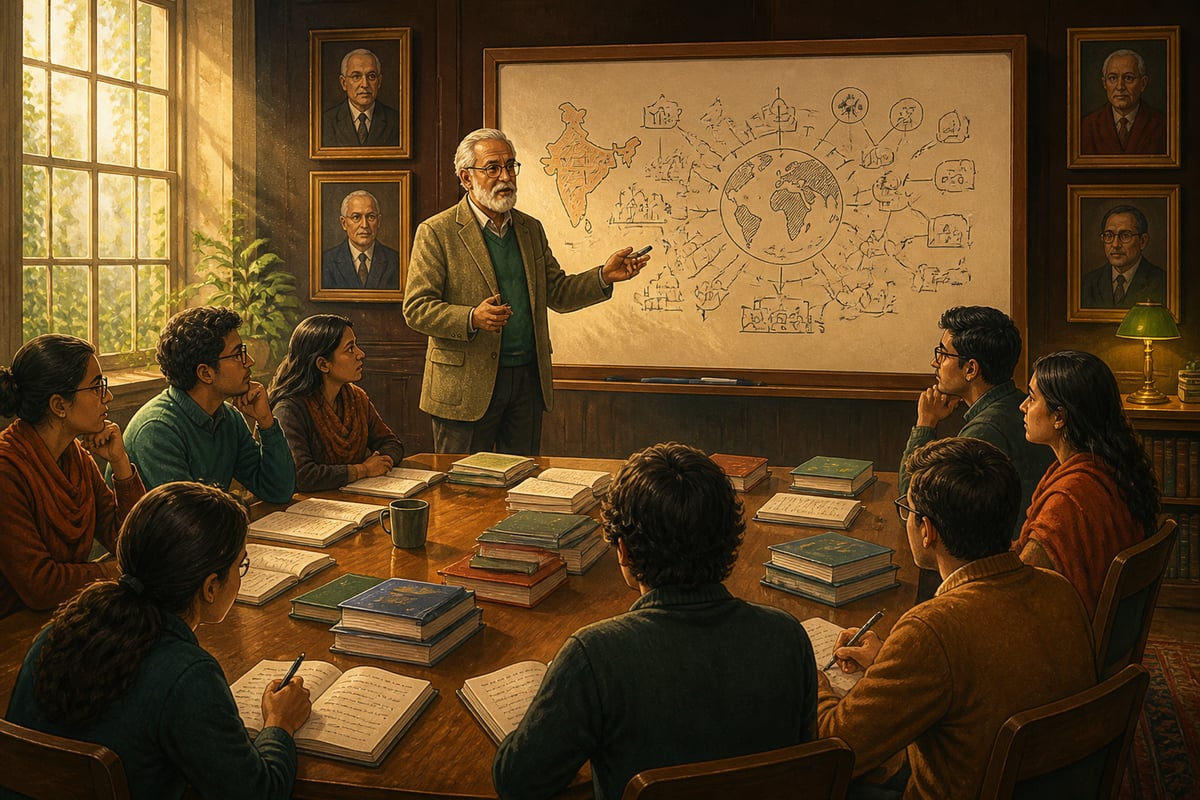
हर मजबूत मीडिया narrative academic legitimacy से शुरू होता है। पश्चिमी विश्वविद्यालयों के scholars papers, books और conference presentations देते हैं। शब्द जैसे "Hindu nationalism", "saffronization", "majoritarian democracy" university departments में coin होते हैं, इससे पहले कि news में आएँ।
यह षड्यंत्र नहीं है। यह knowledge production का सामान्य काम है। समस्या तब आती है जब यह systematic रूप से एक-दिशीय हो जाता है। पश्चिमी scholars भारतीय civilization को European frameworks से interpret करते हैं। भारतीय intellectual traditions की कम सुनवाई होती है। पाठ 04_01 ने देखा कि कैसे पश्चिमी Indology ने भारत के अध्ययन को capture किया। यह पाठ दिखाता है कि इससे क्या होता है।
Academic papers मीडिया narratives के लिए material बन जाते हैं। जब New York Times या The Guardian के पत्रकार को भारत पर "expert quote" चाहिए, तो वह इसी ecosystem के scholars से संपर्क करते हैं। Scholar frame देता है। Journalist इसे amplify करता है। दोनों को consciously coordinate करने की जरूरत नहीं। System खुद organize हो जाता है क्योंकि दोनों एक जैसे intellectual assumptions से आते हैं।
Layer 2: Legacy Media Translation
बड़े पश्चिमी newspaper, broadcaster और magazine academic frameworks को news narratives में translate करते हैं। BBC, New York Times, Washington Post, Guardian सब के पास India bureaus हैं। वहाँ correspondent्स हैं जो training, sourcing networks और editorial culture के कारण Layer 1 के lenses से सब कुछ देखते हैं।

BBC की 2023 documentary "India: The Modi Question" एक बेहतरीन example है। Documentary ने academic scholarship, NGO reports और selected witness testimony लिए थे। फिर global distribution के लिए एक narrative product बनाया। जब भारत के government ने इसे block किया, तब ban ही story बन गया। एक दूसरी wave coverage का आया "press freedom" पर। यह original narrative को amplify करता था। Documentary पारंपरिक journalism नहीं थी। यह एक state-funded broadcaster की production values के साथ narrative manufacturing था।
यह सिर्फ एक outlet का काम नहीं है। Reuters और Associated Press जैसी wire services baseline narrative को control करती हैं। जब Reuters अपने New Delhi bureau से कोई story file करता है, तो वह दुनिया के सैकड़ों newspapers का foundation बनता है। एक bureau के framing decisions global perception को shape करते हैं।
Layer 3: NGO Amplification Loop
अंतरराष्ट्रीय NGOs, human rights organizations और advocacy groups मीडिया narratives को amplify करते हैं। वह "independent" reports लिखते हैं। ये same academic sources और media coverage को cite करते हैं। फिर मीडिया इन reports को cite करता है जैसे वह independent verification हो। इससे circular citation loop बनता है।
प्रक्रिया ऐसे है। एक academic एक paper publish करता है। एक journalist वह paper cite करके story लिखता है। एक NGO उस paper और story दोनों को cite करके report बनाता है। दूसरा journalist NGO report को cite करके "independent confirmation" की तरह story लिखता है। हर citation एक independent data point लगता है। लेकिन पूरी chain एक ही source तक जाती है।
Rajiv Malhotra ने "Breaking India" में इसी mechanism को document किया है। Academia justify करता है, media amplify करता है, NGOs verify करते हैं, cycle दोहराई जाती है। हर component independent दिखता है। System एक unified narrative machine की तरह काम करता है। पाठ 04_02 ने इस nexus को देखा। यह पाठ वह media pipeline दिखाता है जहाँ से यह सब speak होता है।
Layer 4: Fact-Checkers as Gatekeepers
Narrative machine की सबसे नई addition है fact-checking ecosystem। International Fact-Checking Network (IFCN) certified organizations Meta, Google, Twitter/X जैसे social media platforms के साथ काम करते हैं। उनके "fact-checks" decide करते हैं कि किस content को suppress किया जाए, label किया जाए, या amplify किया जाए। ये platforms अरबों लोगों तक पहुँचते हैं।
Gatekeeping दोनों दिशाओं में काम करता है। Five-layer machine जो narratives बनाता है, उन पर rarely fact-check होता है। क्योंकि वह "authoritative" sources से आती हैं। Established media, credentialed academics, certified NGOs से। Counter-narratives जो इस machine को challenge करती हैं, उन पर aggressively fact-check होता है। उन्हें "misleading" label किया जाता है, या suppress किया जाता है।
इससे एक asymmetric information battlefield बनता है। Narrative machine का output freely flow होता है। Counter-narratives को हर जगह obstacles मिलते हैं। Fact-checker को consciously biased होने की जरूरत नहीं। अगर सभी "authoritative sources" एक ही framework share करते हैं, तो honest fact-checking भी machine की narratives को ही favor करेगा।
Layer 5: Toolkit Coordination
अंतिम layer operational coordination है। 2021 का toolkit इसे expose करता है। Activist networks, diaspora organizations, सोशल मीडिया coordination cells सब narratives को platforms पर synchronize करते हैं। Hashtag campaigns schedule करते हैं, politicians के साथ contact coordinate करते हैं, protest actions organize करते हैं। जब media coverage के लिए perfect timing हो, तब ये actions होते हैं। Organic, widespread outrage का fake appearance बनाते हैं।
यह layer सबसे visible है लेकिन सबसे कम महत्वपूर्ण है। Toolkit symptom है, disease नहीं। Layers 1 से 4 भी अपने आप से self-reinforcing narrative machine बना देते हैं। Toolkit बस operational efficiency add करता है। System Layers 1-4 के बिना भी काम करता, सिर्फ slower होता।
पैटर्न: कैसे "Fascist India" बना
Five-layer machine को action में देखने के लिए, "Fascist India" phrase को academic seminar से global media consensus तक trace करो।
Academic foundation दशकों से build हो रहा था। Christophe Jaffrelot जैसे scholars ने "Hindu nationalism as fascism" framework पर careers बनाए। European fascist movements और Indian political organizations के बीच parallels खींचे। Jaffrelot की 1996 की book "Hindu Nationalist Movement" और बाद की books ने intellectual architecture दी। Audrey Truschke की Mughal history पर work और Hindu organizations के साथ confrontation से controversy बनी। Media outlets ने इसे "academic freedom under threat from Hindu nationalists" की तरह frame किया।
ये academic frameworks legacy media ने news narratives में translate किए। New York Times की India coverage 2014-2024 में एक systematic pattern दिखाती है। Democratic processes को "majoritarian" के रूप में frame किया जाता है, economic reforms को "crony capitalism", cultural assertion को "Hindu supremacism" के रूप में। NYT headlines का analysis दिखाता है कि positive developments (space missions, digital infrastructure, poverty reduction) को कम coverage मिलता है। Negative framings (religious violence, press freedom, minority persecution) को ज्यादा coverage मिलता है।
NGOs ने reports बनाए जो media framing को validate करते थे। International organizations ने annual reports issue किए जिनमें India की "democratic backsliding", "press freedom decline", "minority rights violations" को rank किया जाता था। ये reports same academic sources और same media coverage को cite करते थे जिन्हें independently verify करने का दावा करते थे।
Fact-checkers ने circuit को complete किया। जब भारतीय commentators ने "Fascist India" narrative को push back किया, तो उनकी social media posts को fact-check किया गया। उन्हें "misleading" label किया गया। Machine की output को "verified" कहा गया।
Nतीजा एक globally distributed, institutionally validated narrative है जो दुनिया के सबसे बड़े democracy को European fascism के vocabulary से frame करता है। Narrative गलत नहीं है क्योंकि यह manufactured है। गलत है क्योंकि यह European frameworks को non-European civilization पर लागू करता है। Indian civilizational categories, democratic traditions, और internal complexity को ignore करता है।
Dharmic Wisdom: Gudhapurusha और Perception का War
Arthashastra Gudhapurusha के बारे में विस्तार से लिखता है। यह intelligence, perception management, और information warfare का science है। Kautilya समझते थे कि narrative को control करना अक्सर battlefield को control करने से ज्यादा decisive होता है।
Arthashastra के framework में, जो king information को control करता है, वह reality को control करता है। Gudhapurushas (covert agents) की नियुक्ति सिर्फ espionage के लिए नहीं थी। यह Karna Japa के लिए था। Whispered propaganda जो public perception को shape करता है, लोगों को source की जानकारी दिए बिना।
Five-layer media machine जो करता है, वह essentially Karna Japa है global scale पर। influenced population machine को नहीं देखता। उसे दिखता है "reputable media", "independent NGOs", "credentialed academics", "certified fact-checkers"। Independence का perception सबसे powerful weapon है। एक openly hostile propagandist को dismiss करना आसान है। एक system जो objective दिखता है लेकिन systematically एक-दिशीय narratives produce करता है, उसे counter करना लगभग impossible है। सिर्फ system को expose करके counter किया जा सकता है।
Nitisara of Kamandaka, जो Kautilya पर build है, Prakasha Yuddha (open warfare) और Kutayuddha (covert warfare) में फर्क बताता है। Media और information warfare Kutayuddha का modern form है। यह उस threshold से नीचे operate करता है जिसे target populations conflict की तरह recognize करते हैं। लोग news consume करते हैं, reports पढ़ते हैं, social media scroll करते हैं। यह नहीं समझते कि वह एक battlefield पर हैं।
Panchatantra story के जरिए यही सिखाता है। जहाँ jackal शेर और बैल को एक-दूसरे के खिलाफ कर देता है। weapon information है। Jackal दोनों से अलग-अलग stories whisper करता है। Natural allies के बीच mistrust बनाता है। न शेर न बैल jackal को enemy समझते हैं। एक-दूसरे को देखते हैं। यह exactly media warfare का mechanism है। Indians को एक-दूसरे के खिलाफ कर देना narratives के जरिए, जो कहीं और manufactured होती हैं।
रक्षा: Information Sovereignty बनाना
Individual: अपना खुद का Fact-Checker बनो
अपनी discernment किसी institution को outsource मत करो, चाहे credentials कितने ही अच्छे हों। जब international media में भारत के बारे में कोई claim देखो, तो three-step test लागू करो:
Claim का source ढूंढो। पहले किसने कहा? Citation chain को origin तक trace करो। अक्सर देखोगे कि five outlets से एक claim असल में एक academic paper या एक NGO report से आता है।
Framework check करो। क्या analysis Indian civilizational categories use कर रहा है? या European frameworks impose कर रहा है? जब कोई India को "fascist" कहता है, तो पूछो। क्या यह term, जो 1930s European movements को describe करने के लिए बना था, एक diverse democracy पर लागू होता है? Universal franchise, independent judiciary, robust electoral competition वाली democracy पर?
Funding follow करो। Academic department, NGO, media bureau, fact-checking organization को कौन fund करता है? Funding automatic रूप से bias नहीं create करता। लेकिन incentive structures बनाता है। Incentive structure जानने से output को evaluate करने में मदद मिलती है।
Community: Alternative Knowledge Infrastructure बनाओ
Narrative machine का सबसे बड़ा advantage है कि उसके पास serious competitor नहीं है। Alternatives बनाने के लिए तीन areas में investment करनी पड़ती है:
Media infrastructure। Indian-owned, Indian-edited media outlets को support करो। ये outlets भारत को global audiences के लिए cover करें। Indian civilizational frameworks से। Propaganda outlets नहीं। Rigorous, data-driven, analytically sharp media जो quality पर compete करे।
Academic infrastructure। Indian universities, research institutions, scholars को support करो। वह लोग Indian civilization को Indian intellectual categories से study करें। Indic Academy, Bhandarkar Oriental Research Institute जैसे institutions इसकी शुरुआत हैं।
Digital infrastructure। Platforms, fact-checking organizations, content distribution networks बनाओ। ये Western certification systems पर depend न करें।
Institutional: Legal और Regulatory Frameworks
जो countries information sovereignty को seriously लेते हैं, वह legal frameworks बनाते हैं। India ने FCRA amendments (foreign NGO funding को regulate करना), IT rules (social media platforms को trace करने को कहना), broadcasting regulations से शुरुआत की है। ये free speech पर attack नहीं हैं। ये border security जैसे हैं information के domain में। Nations को यह जानने का right है कि कौन narrative campaigns के लिए fund कर रहा है।
Toolkit से सीख यह है कि information warfare organized, funded, strategically deployed होता है। Defense भी equally organized, equally funded, equally strategic होना चाहिए। Viveka (discernment) individual level पर, counter-infrastructure community level पर, regulatory sovereignty institutional level पर। ये तीनों परतें मिलकर information Vyadhikshamatva बनाती हैं। Civilizational immunity information domain में।
Case studies
BBC 'India: The Modi Question' और Western Media Pipeline
जनवरी 2023 में, BBC ने 'India: The Modi Question' नाम की दो-भागीय documentary release की। यह state-funded apparatus के द्वारा बनी थी और academic frameworks पर heavily depend करती थी जो Hindu nationalism को critical नजरिए से देखती थैं। Documentary एक precise pipeline को follow करती थी। Academic sourcing (scholars को cite करना जो India को 'majoritarian danger' lens से frame करते हैं), documentary production (BBC की prestige narrative को authority देती है), global distribution (BBC World Service 42 languages में पहुँचता है)। फिर जब India के government ने documentary को block किया, तब ban ही story बन गया। एक दूसरी wave international coverage की आई। issue को documentary के claims से 'press freedom under Modi' में reframe किया गया। 100 से ज्यादा follow-up articles आए, The Guardian, The New York Times, Washington Post में। Ban ने documentary को ज्यादा views दिए जितने organically कभी नहीं मिल सकते थे। लाखों लोगों ने VPNs और mirror links से देखा। Pipeline का built-in escalation mechanism था। Resistance narrative को ही proof बन जाता है।
Arthashastra Karna Japa को describe करता है, whispered propaganda की technique जो authoritative और organic दिखती है, orchestrated नहीं। Kautilya कहते हैं कि सबसे effective information warfare खुद को attack की तरह announce नहीं करता। यह neutral observation की तरह present करता है। BBC documentary एक perfect example है। State-funded broadcaster (UK government BBC को mandatory license fees से fund करता है) एक geopolitical narrative को independent journalism की तरह present कर रहा है। Arthashastra इसे Karna Japa कहता है institutional scale पर। Whisper को institution की authority मिल जाती है। Secondary 'press freedom' narrative Karna Japa की दूसरी layer है। Target की defensive reaction को original accusation का confirmation समझा जाता है।
Documentary को दुनिया भर में लाखों बार देखा गया, हालाँकि India में block था। JNU और Jamia Millia में student screenings protest events बन गए। Further domestic media coverage आया। 'press freedom' framing हफ्तों तक international outlets में persist रही। Original narrative को reinforce किया बिना किसी नए evidence के। BBC को sourcing या editorial bias के लिए कोई accountability नहीं मिला। India के block करने के attempt को press freedom indices में democratic backsliding का evidence माना गया।
State-funded media institutions soft-power instruments की तरह काम कर सकते हैं जबकि editorial independence का appearance maintain करते हैं। Pipeline (academic sourcing से documentary से ban से 'press freedom' coverage) self-reinforcing है। हर stage अगले stage के लिए fuel generate करता है। Pipeline के अंदर content को block करना अक्सर उसे amplify करता है। Counter-strategy को narrative layer पर compete करना पड़ता है, distribution layer पर नहीं।
BBC pipeline एक template है जो India के खिलाफ बार-बार operate करता है। Al Jazeera, Deutsche Welle, और दूसरे state-funded broadcasters similar models use करते हैं। Pattern दिखाता है कि India के खिलाफ media warfare freelance journalism नहीं है। यह institutional infrastructure है foreign governments द्वारा funded, जिनके subcontinent में geopolitical interests हैं।
BBC को लगभग 5.3 billion pounds annual revenue मिलता है, primarily mandatory UK license fees से जो criminal prosecution के threat से collect होती हैं। यह state-funding model है, लेकिन BBC खुद को globally 'independent' media के रूप में market करता है। Documentary ने 100 से ज्यादा follow-up articles generate किए Indian government के ban के 2 हफ्तों के अंदर। यह दिखाता है कि content suppression modern media ecosystem में narrative amplifier की तरह काम करता है।
ग्रेटा थनबर्ग Toolkit: एक Coordinated Information Operation की anatomy
3 फरवरी 2021 को, India के किसान आंदोलन के समय, Swedish climate activist ग्रेटा थनबर्ग ने समर्थन का tweet किया और accidentally एक Google Doc 'toolkit' share किया। इस toolkit में spontaneous solidarity movement के operational infrastructure का खुलासा हो गया। Toolkit में pre-planned hashtag campaigns, detailed media outreach strategies journalist contact lists के साथ, protest coordination timelines Indian embassies के बाहर के actions के लिए, escalation schedules specific dates के साथ थे। कुछ dates उन events से पहले आते थे जिनका वह कथित रूप से जवाब देते थे। इसका मतलब था कि 'reactions' 'provocations' से पहले plan किए गए थे। Contributors और editors का trail Canada (Poetic Justice Foundation), UK, USA के diaspora organizations से गया। Toolkit का एक linked version Khalistan के explicit references contain करता था। Khalistan एक separate Sikh state का movement है। यह humanitarian framing के 'farmer rights' के पीछे geopolitical objectives को reveal करता था। Document को 50 से ज्यादा contributors ने collaboratively edit किया था multiple countries और time zones से।
Panchatantra की Mitrabheda (The Loss of Friends) में jackal Damanaka की कहानी है जो बैल Sanjeevaka और शेर Pingalaka को carefully planted information के जरिए एक-दूसरे के खिलाफ कर देता है। Damanaka सीधा झूठ नहीं बोलता। वह truths को select करता है, contexts को frame करता है, हर पक्ष से अलग whisper करता है। दोनों को लगता है कि दूसरा threat है। Toolkit operation यही mirror करता है। Real farmer grievances थी, लेकिन external actors ने उन्हें select, frame, amplify किया अपने objectives के लिए (Khalistan separatism), जो agricultural policy से कोई लेना-देना नहीं रखते। Farmers Sanjeevaka बन गए, Indian state Pingalaka बन गया, toolkit operators Damanaka बन गए। Natural allies के बीच conflict engineer कर रहे थे अपने strategic ends के लिए।
Delhi Police ने toolkit के संबंध में एक FIR दर्ज किया। Activist Disha Ravi को briefly arrest किया गया। यह 'press freedom' counter-narrative generate किया, BBC pattern जैसा। Toolkit exposure ने international information campaigns की operational mechanics को briefly reveal किया। लेकिन media cycle quickly Indian government की investigation को 'authoritarian overreach' की तरह frame कर गया। Toolkit के जो substance खुलासे हुए थे, coordinated foreign interference के बारे में, वह buried हो गया।
Modern information warfare collaborative digital infrastructure के जरिए operate करता है जो real time में actors को continents भर में coordinate कर सकता है। Toolkit ने reveal किया कि जो organic, spontaneous global solidarity दिखता है, वह often pre-planned, pre-scripted होता है। Geopolitical objectives से connected होता है जो stated cause से completely अलग हैं। Accidental exposure significant था क्योंकि normal times में ऐसा infrastructure invisible रहता है।
Toolkit model India को target करने वाले information campaigns के लिए standard बन गया है। Coordinated hashtag campaigns, pre-written social media posts, journalist contact lists, embassy protest schedules हर major Indian controversy के around suspicious speed से appear होते हैं। 2021 toolkit leak ने इस system के operational back-end को rare look दिया। यह confirm करता है कि coordination, coincidence नहीं, इन campaigns को drive करता है।
Google Doc में 50+ contributors थे multiple countries से, जिनके edit histories pre-planned action dates दिखाती हैं जो उन events से पहले आते थे। Poetic Justice Foundation, एक key organization, Mo Dhaliwal द्वारा founded था। Mo Dhaliwal ने publicly pro-Khalistan views express किए हैं। Delhi Police ने sedition और criminal conspiracy charges के तहत FIR दर्ज किया।
Academic-to-Media Pipeline: कैसे Seminar Room के विचार Social Media Policy बन जाते हैं
French political scientist Christophe Jaffrelot 1996 की अपनी book 'The Hindu Nationalist Movement in India' से 'Hindu nationalism as fascism' framework बना रहे हैं। तीन decades में, उन्होंने 200 से ज्यादा articles publish किए Western media outlets में। American academic Audrey Truschke Rutgers University की professor हैं। Mughal history में specialize करती हैं। Aurangzeb जैसे rulers को 'misunderstood administrators' की तरह reframe करती हैं। Traditional Hindu narratives को 'exaggerated' कहकर controversy generate करती हैं। उनका academic work एक circular citation loop को feed करता है जो self-validating information system की तरह काम करता है। Cycle ऐसे है। एक scholar Hindu nationalism को fascist frame करके paper publish करता है। New York Times या Guardian का journalist उस paper को op-ed में cite करता है। Amnesty International या Human Rights Watch जैसा NGO paper और article दोनों को cite करके report बनाता है। 'independent verification' label add करता है। दूसरा journalist NGO report को एक separate source की तरह cite करता है। नहीं जानता (या care नहीं करता) कि यह same original paper तक trace करता है। Circular citation एक appearance create करता है कि multiple independent sources एक single framework को confirm कर रहे हैं। यह framework content moderation policy में migrate करता है। Social media platforms 'trust and safety' consultants hire करते हैं same academic ecosystem से। ये consultants content को 'misinformation' या 'hate speech' classify करते हैं जो इन frameworks को challenge करती है।
Arthashastra knowledge capture को Bheda का एक form मानता है। Kautilya समझते थे कि जो एक population अपने बारे में जानता है, उसे control करना किसी भी military conquest से ज्यादा powerful है। क्योंकि जो लोग अपनी narrative खो देते हैं, वह obvious subjugation को भी resist नहीं करेंगे। Academic-to-media pipeline Bheda है epistemological capture के जरिए। यह India पर armies के साथ attack नहीं करता। India के self-knowledge पर attack करता है। Global discourse में India को describe, analyze, categorize करने पर monopoly establish करता है। जब Indian voices इन frameworks को challenge करती हैं, तो pipeline उन्हें 'nationalist propaganda' की तरह delegitimize करता है। क्योंकि pipeline ने पहले से define कर दिया है कि legitimate scholarship क्या है।
'Fascist India' framework academic seminars से mainstream media से content moderation policy में migrate किया है। Social media platforms ने अपनी India-related content policies को shape करने के लिए इसी academic ecosystem के advisors hire किए हैं। यह framework अब billions users के लिए algorithms को influence करता है कि India-related content को surface या suppress कैसे करें। 'Hindu nationalism' term का usage New York Times में 2004-2014 से 2014-2024 तक roughly 300% increase हुआ है। यह India में religious violence के measurable increase से track नहीं करता। बल्कि एक government के election से track करता है जो existing Western narrative framework को challenge करता है।
सबसे powerful information warfare propaganda की तरह नहीं दिखता। यह scholarship, journalism, human rights advocacy की तरह दिखता है। Circular citation loop एक closed system create करता है जहाँ same framework अपने आप को multiple institutional channels से validate करता है। हर channel दूसरे को credibility देता है। इस loop को break करने के लिए alternative knowledge infrastructure बनानी पड़ती है। सिर्फ individual claims को debunk करना काफी नहीं है।
Academic-to-media pipeline अब technology governance तक extend हुआ है। जब इसी ecosystem के former academics social media trust-and-safety teams में join करते हैं, तो content moderation same framework का extension बन जाता है। Indian users अपनी content को flagged, suppressed, remove होते देखते हैं। policies उन scholars ने shape की हैं जिनका foundational assumption है कि Hindu civilizational assertion inherently dangerous है। Pipeline newspapers में print होने वाली चीजों को shape करने से evolve हुआ है algorithms को allow करने तक।
Christophe Jaffrelot ने 1996 के बाद से 200 से ज्यादा articles publish किए Western media outlets और policy journals में। 'Hindu nationalism as fascism' framework को तीन decades में construct किया। New York Times का 'Hindu nationalism' का usage 2004-2014 की compare में 2014-2024 में approximately 300% increase हुआ। यह increase religious violence के measurable increase से correlate नहीं करता। India में political change से correlate करता है। यह suggest करता है कि framing narrative supply से driven है, ground-level data से नहीं।
Reflection
- एक ऐसा समय याद करो जब तुमने Western media की India के बारे में कहानी सुनी और बिना सवाल किए मान ली। कब तुम्हें लगा कि story external assumptions से बनी है, Indian realities से नहीं? क्या triggered उस recognition को? इसके बाद तुम क्या पढ़ने लगे?
- अगर free press democracy के लिए essential है, तो genuine journalism और narrative warfare में distinction कैसे करोगे? क्या same institution अलग-अलग times या topics पर दोनों हो सकता है? तुम किन criteria का use करोगे difference बताने के लिए?
- Arthashastra कहता है कि information warfare statecraft का legitimate tool है। अगर India अपना narrative counter-infrastructure बनाता है, तो क्या वह उसी का शिकार हो जाता है जिसका opposer है? civilizational defense और propaganda के बीच line कहाँ है?