इंडोलॉजी सभ्यता का हथियार बनकर
पश्चिमी इंडोलॉजी, विकृत संस्कृत, और अकादमिक हिंदू-विरोध
पश्चिमी इंडोलॉजी तटस्थ विद्वत्ता के रूप में नहीं बनी थी. मैक्स मूलर के EIC-funded अनुवादों से लेकर आज के academic conferences तक जो हिंदू सभ्यता को निशाना बनाते हैं, यह पाठ दो सदी के academic narrative capture के ढाँचे और उसे काटने के लिए धर्मिक frameworks की खोज करता है.
आज इसे देखो: जब 50 विश्वविद्यालय एक सभ्यता को निशाना बनाएँ
सितंबर 2021 में, 50 से ज़्यादा अमेरिकी और यूरोपीय विश्वविद्यालयों ने मिलकर एक सम्मेलन कराया जिसका नाम था "Global Hindutva को तोड़ना." Harvard, Stanford, Princeton, Columbia, Berkeley और दर्जनों और विश्वविद्यालयों ने एक ऐसे आयोजन को अपना संस्थानिक नाम दिया जो साफ़ तौर पर हिंदू सभ्यता की एक राजनीतिक अभिव्यक्ति को तोड़ने के लिए समर्पित था।
पश्चिमी विश्वविद्यालयों में कभी किसी और सभ्यता की राजनीतिक अभिव्यक्ति को "तोड़ने" के लिए ऐसा सम्मेलन नहीं बनाया गया। कोई "Political Islam को तोड़ना" सम्मेलन नहीं। कोई "Christian Nationalism को तोड़ना" सम्मेलन नहीं। कोई "Zionism को तोड़ना" सम्मेलन नहीं। यह विषमता इत्तेफ़ाक नहीं है। यह दो सदी से बनाए गए एक academic authority के ढाँचे को दिखाती है। यह ढाँचा बाहर से हिंदू सभ्यता को परिभाषित करने, उसका निदान करने और उसे तोड़ने का अधिकार माँगता है।

यह सम्मेलन किसी fringe activists ने नहीं बनाया। यह mainstream academic विभागों में हुआ: धर्म अध्ययन, दक्षिण एशिया अध्ययन, Political Science। आयोजक elite institutions के tenured professors थे। संस्थानिक समर्थन official विश्वविद्यालय चैनलों से आया। यह academic establishment अपनी official क्षमता में काम कर रहा था।
जब हिंदू संगठनों ने protest किया, तो academic response बहुत बताने वाली थी। आपत्तियों के तर्कों को समझने की जगह, response ने सभी हिंदू opposition को "Hindutva विद्वानों की परेशानी" बना दिया। तरीका बिलकुल ठीक था: academy अपने को एकमात्र कहता है जो Hinduism को interpret कर सकता है, और जब Hindus उस interpretation के विरुद्ध आवाज़ उठाते हैं, तो वह आवाज़ ही Hindu pathology का सबूत माना जाता है।
यह एक सम्मेलन की कहानी नहीं है। यह एक दो सदी पुराने ढाँचे की दिखती-भाली बाहरी परत है। Western Indology, India और उसकी सभ्यता का academic अध्ययन, तटस्थ विद्वत्ता के रूप में नहीं बनी थी। यह सभ्यता को नियंत्रित करने का एक औज़ार था। यह समझना कि वह औज़ार कैसे बना, आज कैसे काम करता है, और इसे कैसे रोका जा सकता है, हर उस व्यक्ति के लिए ज़रूरी है जो "Breaking India" की गतिविधि को समझना चाहता है।
तंत्र: Western Indology एक सभ्यता का हथियार कैसे बनी
चरण 1: औपनिवेशिक निर्माण (1780s-1900s)
Sanskrit और भारतीय सभ्यता का पश्चिमी अध्ययन किसी विश्वविद्यालय की कक्षा में नहीं, ईस्ट इंडिया कंपनी के administrative offices में शुरू हुआ। William Jones ने 1784 में Asiatic Society of Bengal की स्थापना की। Jones को ख़ुद Sanskrit साहित्य पसंद था, पर संस्थानिक उद्देश्य साफ़ था: colonized लोगों को समझना ताकि उन्हें ज़्यादा प्रभावी तरीके से नियंत्रित किया जा सके।

इस administrative interest को एक सभ्यता के हथियार में बदलने वाला मुख्य व्यक्ति Friedrich Max Mueller था। 1847 में, ईस्ट इंडिया कंपनी ने Mueller को Rigveda का अनुवाद करने के लिए commission किया। उसकी correspondence इस तरह-सी scholarly project के पीछे की strategic intent को उजागर करती है। 1868 में अपनी पत्नी को लिखे एक letter में, Mueller ने लिखा: "मेरा यह संस्करण और Veda का अनुवाद आगे चलकर भारत की क़िस्मत को बहुत हद तक तय करेगा... यह उनके धर्म की जड़ है, और उन्हें यह दिखाना कि वह जड़ कहाँ है, मुझे यक़ीन है कि यही एकमात्र तरीका है इस सब को उखाड़ फेंकने का जो पिछली 3,000 साल में उस से निकला है।"
यह किसी eccentric व्यक्ति की कल्पना नहीं थी। Mueller की project को institutionally fund किया गया था और strategically रखा गया था। Oxford में Sanskrit के लिए Boden Professorship, एक chair जिसके लिए Mueller ने compete किया (और Monier Monier-Williams से हार गया), को Colonel Boden की will में एक स्पष्ट उद्देश्य के साथ दिया गया था: "Scriptures को Sanskrit में अनुवादित करने को बढ़ावा देना, ताकि उसके देशवासी भारत के native लोगों को Christian religion में धर्मांतरित करने का काम कर सकें।"
Institutional ढाँचा बहुत precise था। European विश्वविद्यालयों में Sanskrit की chairs को colonial और missionary interests से fund किया जाता था। जो scholars इन chairs पर बैठते थे, वे अनुवाद पैदा करते थे जो भारतीय texts को Christian theological श्रेणियों के माध्यम से filter करते थे। वे अनुवाद तब "authoritative" संस्करण बन जाते थे जो Indians को ख़ुद colonial schools में सिखाए जाते थे।
Mueller की Rigveda को 1200 BCE में date करना (Biblical chronology के साथ fit करने के लिए चुना गया था, textual evidence के कारण नहीं), Vedic religion को "primitive nature worship" के रूप में frame करना, और उसका Aryan Invasion Theory सभी एक ही strategic function को serve करते थे: भारत की सभ्यता की विरासत को derivative, primitive, और Western intellectual stewardship की ज़रूरत के रूप में दिखाना।
चरण 2: संस्थानिक Lock-In (1900s-1990s)
बीसवीं सदी की शुरुआत तक, Western Indology ने institutional dominance हासिल कर लिया था। बड़े Sanskrit dictionaries (Monier-Williams), key texts के standard अनुवाद (Mueller, Griffith), और foundational historical frameworks (Aryan Invasion Theory, caste-as-race) सभी इस colonial academic infrastructure के product थे।
इससे एक self-reinforcing system बना। नए scholars को इन अनुवादों और frameworks का इस्तेमाल करके trained किया जाता था। publish होने के लिए, उन्हें मौजूदा literature को cite करना था। tenure के लिए, उन्हें already embedded scholars द्वारा approve किया जाना था। नतीजा एक academic ecosystem था जो formal colonialism के ख़त्म होने के बाद भी colonial-era की interpretive frameworks को perpetuate कर सकता था।
Sheldon Pollock इस चरण का उदाहरण है। उसके 2001 के influential essay "The Death of Sanskrit" ने claim किया कि Sanskrit लगभग 1100 CE के आसपास एक productive intellectual language नहीं रही। ज़्यादा महत्वपूर्ण बात, Pollock के व्यापक काम ने systematically Sanskrit literary culture को political domination की structures से जोड़ा। उसके framework में, Sanskrit philosophical inquiry का एक माध्यम नहीं बल्कि Brahmanical political power का एक औज़ार है।
इस framing का असर बहुत precise है। अगर Sanskrit oppression की एक dead language है न कि philosophy की एक living language, तो Sanskrit को revive करने की कोशिश करने वाले Indians अपनी intellectual heritage को recover नहीं कर रहे। वे एक domination का औज़ार revive कर रहे हैं। Pollock का academic काम Sanskrit revival, temple education, और traditional knowledge को modern curricula में reintegrate करने का intellectual justification प्रदान करता है।
चरण 3: मनोविश्लेषणात्मक मोड़ (1990s-Present)
सबसे हाली चरण ने Hinduism के अध्ययन में psychoanalytic और postcolonial theory को introduce किया। American Academy of Religion के अंदर Religion in South Asia (RISA) group इस approach का institutional center बन गया।
Rajiv Malhotra के RISA ecosystem की documentation, जो "Invading the Sacred" (2007) के रूप में प्रकाशित हुई, एक systematic pattern को उजागर करती है। Hindu deities को Freudian frameworks के माध्यम से analyze किया जाता था। Ganesha की trunk एक phallic symbol बन जाती थी। Kali की imagery को pathological violence के रूप में पढ़ा जाता था। Shiva के linga को sexual anatomy तक reduce किया जाता था। Sacred narratives को philosophical texts के रूप में नहीं बल्कि clinical specimens के रूप में treat किया जाता था जो civilizational neuroses को reveal करती थीं।
इस approach का academic defense बहुत सिखाने वाली है। जब Hindu scholars और practitioners को आपत्ति हुई, तो standard response यह थी कि उनके पास अपनी परंपरा को objective तरीके से अध्ययन करने के लिए "critical distance" नहीं है। केवल Western-trained scholars, जो Western theoretical frameworks को apply करते हैं, "real" analysis प्रदान कर सकते हैं। Colonized subject की अपनी समझ, by definition, unreliable थी।
Ghent University के S.N. Balagangadhara ने इस mechanism की सबसे गहरी परत की पहचान की। "The Heathen in His Blindness" (1994) में, उन्होंने argue किया कि Western "study of religion" एक neutral academic discipline नहीं है। यह एक secularized Christian theological framework है जो मानती है कि सभी cultures के पास "religions" हैं जो Christianity के जैसे structured हैं (scripture, doctrine, clergy, और conversion के साथ)। जब यह framework Dharmic traditions पर apply की जाती है, तो यह systematically उन्हें distort करती है, क्योंकि Dharmic traditions Abrahamic model of exclusive truth claims और institutional authority पर काम नहीं करती हैं।
इसका मतलब यह है कि Western Indology में distortion एक bug नहीं है। यह एक feature है। बिलकुल वे categories जिनके माध्यम से Western academia Hinduism को अध्ययन करती है, Christian theology से borrowed हैं। लेंस ही औज़ार है।
पैटर्न: Mueller से क्लासरूम तक
1847 से 2021 को जोड़ने वाला पैटर्न एक स्पष्ट तीन-चरण की pipeline follow करता है।
चरण 1: Academic Production. Elite Western universities के scholars Indian civilization के बारे में interpretive frameworks पैदा करते हैं। ये frameworks consistently Indian traditions को primitive (Mueller), oppressive (Pollock), pathological (RISA school), या dangerous (Dismantling Global Hindutva) के रूप में position करते हैं। ये frameworks peer-reviewed journals में publish होती हैं, जिससे उन्हें "science" का authority मिल जाता है।
चरण 2: संस्थानिक Amplification. ये academic frameworks textbook publishers, international media, human rights organizations, और policy bodies द्वारा adopt किए जाते हैं। California textbook controversy (2005-2016) ने इस pipeline को directly demonstrate किया। जब Hindu parents को अपने बच्चों की textbooks में Hinduism को केवल caste-oppression के through describe होते देखा, जबकि अन्य religions को respectfully treat किया गया, तो Harvard के professor Michael Witzel ने dozens Indologists द्वारा signed एक counter-petition organize किया। संदेश साफ़ था: academic authority community की self-understanding को override करती है।
चरण 3: Policy और Political Weaponization. Academic frameworks policy interventions का आधार बन जाते हैं। United States Commission on International Religious Freedom (USCIRF) regularly academic Indological काम को cite करता है India को religious freedom watchlists में रखने का justification देने के लिए। NGOs academic publications को अपने intervention campaigns को justify करने के लिए use करते हैं। Separatist movements अपने claims को legitimize करने के लिए academic काम को cite करते हैं।
Pipeline efficient है क्योंकि हर चरण अगले को legitimize करता है। Policy makers academics को cite करते हैं ("Harvard कहता है..."). Academics peer-reviewed literature को cite करते हैं। साहित्य institutions के अंदर produce होता है जो colonial-era frameworks पर built हैं। इस chain के किसी भी point पर भारतीय आवाज़ को यह veto power नहीं है कि भारत को कैसे describe किया जाए।
इस बात पर विचार करो कि दूसरी civilizations को कैसे अध्ययन किया जाता है। Western विश्वविद्यालयों में Islamic Studies विभाग regularly Muslim scholars को employ करते हैं और Islamic self-understanding को एक legitimate starting point मानते हैं। Jewish Studies programs Jewish voices और perspectives को centre करते हैं। East Asian Studies तेज़ी से Chinese, Japanese, और Korean scholarly traditions को अपने terms पर incorporate कर रहे हैं।
South Asian Studies, इसके विपरीत, अब भी एक ऐसे model पर काम करता है जहाँ Western theoretical frameworks को Indian materials पर apply किया जाता है, और Indian objections को उन frameworks के लिए "fundamentalism" का सबूत माना जाता है। Studied subject को studied करने वाले के निष्कर्षों को challenge करने का कोई standing नहीं है।
Vishwa Adluri और Joydeep Bagchee ने "The Nay Science" (2014) में इसे document किया। उन्होंने demonstrate किया कि German Indology के supposedly "scientific" तरीके neutral नहीं थे। ये directly 19th-century Protestant biblical criticism से borrowed थे, sacred texts को उनके theological authority से strip करने के लिए designed थे। जब ये methods Mahabharata या Vedas पर apply किए जाते हैं, तो ये बिलकुल वही करते हैं जिसके लिए वे design किए गए थे: living philosophical traditions को historical artifacts में reduce करना जो academic dissection के लिए suitable हों।
धर्मिक बुद्धिमत्ता: विद्या और अविद्या सभ्यता की श्रेणियों के रूप में
Isha Upanishad Vidya (knowledge) और Avidya (ignorance) के बीच एक fundamental distinction करती है। यह warn करती है कि जो Avidya को pursue करते हैं वे darkness में enter करते हैं, पर जो Vidya alone में delight करते हैं वे एक और भी greater darkness में enter करते हैं। Verse something subtle को point करती है: incomplete knowledge जो अपने को complete मानती है, simple ignorance से ज़्यादा dangerous है।
Western Indology बिलकुल इसी zone में operate करती है। यह simple ignorance नहीं है। यह sophisticated knowledge production है जो systematically incomplete है। यह Sanskrit का grammar तो जानती है पर Anubandhas (metalinguistic markers) को नहीं जानती जो Panini के deeper framework को encode करते हैं। यह एक Vedic hymn को linguistically तो parse कर सकती है पर Adhyatmic (spiritual-experiential) dimension को access नहीं कर सकती जो उसे उसकी tradition के अंदर meaningful बनाती है।
Arthashastra इस dynamics को strategic terms में address करती है। Kautilya warn करता है कि सबसे dangerous दुश्मन वह नहीं है जो openly attack करता है बल्कि वह है जो अपने Mantri Parishad (council of advisors) को capture कर लेता है। जब दुश्मन अपने knowledge के sources को control करता है, तो हर decision जो आप उस knowledge का use करके लेते हो, दुश्मन के purpose को serve करता है।
यही बिलकुल वह है जो हुआ है। जब Indian विश्वविद्यालय Western Indological frameworks का use करके Indian philosophy सिखाते हैं, जब Indian courts Hindu practices पर Western academic authority को cite करते हैं, जब Indian media uncritically Western analytical categories को adopt करते हैं, तब civilizational Mantri Parishad capture हो गया है। भारत अपनी heritage के बारे में decisions लेता है ऐसे knowledge systems का use करके जो उसी heritage को undermine करने के लिए design किए गए थे।
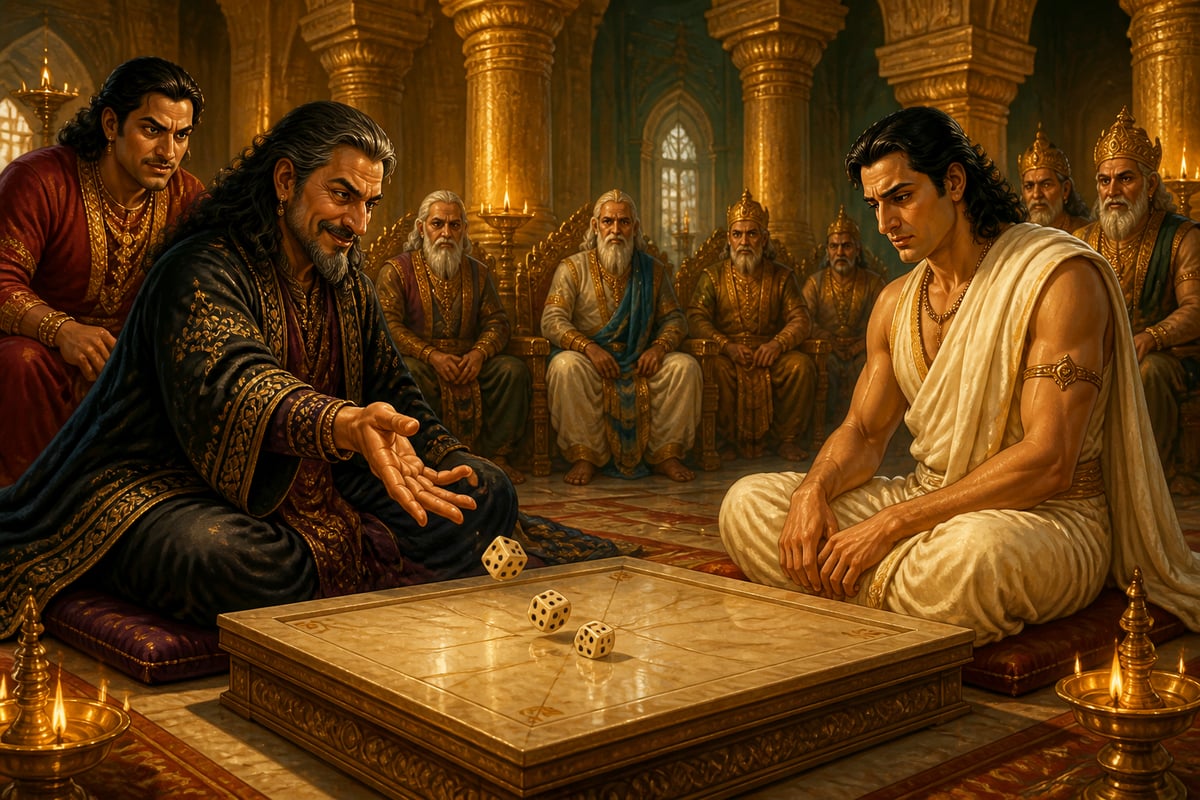
Mahabharata एक image देती है Shakuni की, जिसने Pandavas को superior strength से नहीं defeat किया बल्कि game को control करके। Dice loaded थे। Academic Indology में, methodological dice loaded हैं: categories, theoretical frameworks, "rigor" के standards, और institutional gatekeeping mechanisms सभी उन interpretations को favor करते हैं जो Indian civilizational claims को diminish करते हैं।
रक्षा: अपने को Interpret करने का अधिकार वापस लेना
Academic civilizational warfare के विरुद्ध तीन levels की defense ज़रूरी हैं।
Indigenous scholarship infrastructure बनाओ. Western Indological authority के विरुद्ध सबसे effective counter protest नहीं है बल्कि competing scholarship है। Indian Council of Philosophical Research, Chinmaya Vishwavidyapeeth, और independent research bodies जैसी संस्थाओं को ऐसी scholarship produce करनी चाहिए जो international standards of rigor को meet करे पर Dharmic epistemological frameworks के अंदर से काम करे। Goal यह नहीं है Western scholarship को propaganda से replace करना बल्कि एक genuine alternative बनाना जो Pratyaksha (direct experience), Anumana (inference), और Shabda (testimony of authoritative texts) पर rooted हो borrowed Freudian या Marxist categories के बजाय।
Academic reciprocity माँगो. अगर Islamic Studies Jewish और Muslim voices को centre करता है, अगर East Asian Studies तेज़ी से Asian scholarly traditions को incorporate कर रहा है, तो South Asian Studies को भी Indian scholarly voices और Dharmic epistemological frameworks को standing देना चाहिए। यह censorship की माँग नहीं है। यह एक माँग है कि same academic norms हर दूसरी civilization पर apply हों।
Critical literacy को scale पर develop करो. हर educated Indian को Western Indology का इतिहास, उसकी colonial origins, उसकी institutional incentives, और उसकी methodological biases समझनी चाहिए। यह सभी Western scholarship को reject करना नहीं है। कुछ Western Indologists (जैसे Jan Houben, Johannes Bronkhorst, या Frits Staal) ने valuable काम किया है। Critical literacy का मतलब genuine scholarship को civilizational weaponry से distinguish कर सकना है। इसका मतलब यह जानना है कि जब कोई Hinduism के बारे में "academic consensus" को cite करे, तो तुम उस consensus को उसकी institutional origins तक trace कर सकते हो और उसकी methodological foundations को evaluate कर सकते हो।
Indological औज़ार powerful है बिलकुल इसलिए कि वह neutral scholarship का mask पहनता है। पहली defense वह mask को हटाना है। इस chapter के बाकी हिस्से में यह trace किया जाएगा कि यह academic infrastructure कैसे evangelical conversion machine, NGO-industrial complex, और global media narrative pipeline से जुड़ता है, ताकि complete "Breaking India" nexus बन जाए।
Case studies
मैक्स मूलर और 'वैदिक धर्म' की औपनिवेशिक निर्माण
1847 में, East India Company ने German scholar Friedrich Max Mueller को Rigveda को English में translate करने के लिए commission किया। Mueller की project purely academic नहीं थी। 1868 में अपनी पत्नी को लिखे letter में, उसने लिखा: "मेरा यह संस्करण और Veda का translation आगे चलकर भारत की क़िस्मत को बहुत हद तक तय करेगा... यह उनके धर्म की जड़ है, और उन्हें यह दिखाना कि वह जड़ कहाँ है, मुझे यक़ीन है कि यही एकमात्र तरीका है इस सब को उखाड़ फेंकने का जो पिछली 3,000 साल में उस से निकला है।" Oxford में Sanskrit के लिए Boden Professorship, एक chair जिसके लिए Mueller ने compete किया, Colonel Boden की will में explicitly endow हुई थी यह promote करने के लिए कि "भारत के native लोगों को Christian religion में धर्मांतरित किया जाए।" Mueller ने Rigveda को 1200 BCE में date किया (Biblical chronology के साथ fit करने के लिए), Vedic thought को "primitive nature worship" के रूप में frame किया, और Sayana की indigenous commentary पर heavily rely किया, जबकि यह claim किया कि Indians अपने texts को समझने की capacity नहीं रखते।
कौटिल्य की Arthashastra knowledge capture को Bheda का सबसे powerful रूप मानती है। जब तुम control करो कि कोई लोग अपनी heritage को कैसे समझते हैं, तो तुम बिना एक भी shot चलाए उनके civilizational self-confidence को control कर लेते हो। Mueller की project बिलकुल इसी logic को follow करती थी: foundational texts को एक foreign lens से reinterpret करो, उस reinterpretation को "authoritative" version बना दो, और फिर उसे colonized population को colonial education के through सिखा दो। Sayana की indigenous Vyakhyana tradition, जिस पर Mueller ख़ुद निर्भर था, Mueller के अपने theological framework के लिए तरफ़ कर दिया गया।
Mueller के translations और frameworks Western Indology की foundation बन गए एक सदी से ज़्यादा के लिए। Vedas को date करना, Aryan Invasion Theory, और Vedic religion को characterize करना -- सभी ने shape दिया कि generations of Indians अपनी heritage के बारे में colonial और post-colonial schools में कैसे सीखते थे। जो interpretive infrastructure उसने बनाई, वह उससे भी ज़्यादा समय जीवित रही, और British Empire से भी ज़्यादा।
Academic infrastructure political empires से ज़्यादा समय तक जीवित रहती है। British Raj 1947 में ख़त्म हो गया, पर Mueller के interpretive frameworks independence के बाद भी दशकों तक Indian universities को dominate करते रहे। Political colonialism को challenge करना बिना epistemic colonialism को challenge किए, सबसे गहरी colonial structures को intact रखता है।
Mueller की frameworks NCERT textbooks, university curricula, और popular understanding में embedded रहती हैं। Aryan Invasion Theory, हालाँकि genetic और archaeological evidence से तेज़ी से challenge हो रही है, अब भी shape करती है कि लाखों Indians अपनी civilizational history को कैसे सीखते हैं।
Mueller की Rigveda translation project को 24 साल (1849-1873) तक East India Company और फिर British Crown ने fund किया। Boden Professorship का endowment, जो explicitly 1832 में missionary purposes के लिए बनाया गया था, Oxford में Sanskrit scholarship को लगभग दो सदियों तक fund करता रहा।
Global Hindutva को तोड़ना: 50 विश्वविद्यालय एक सभ्यता को निशाना बनाते हैं
सितंबर 2021 में, 50 से ज़्यादा American और European विश्वविद्यालयों ने मिलकर "Global Hindutva को तोड़ना" नाम का एक तीन दिनों का academic conference organize किया। Harvard, Stanford, Princeton, Columbia, Berkeley, University of Chicago, और दर्जनों और विश्वविद्यालयों ने इस event को अपना institutional नाम दिया। Conference को mainstream academic departments (Religious Studies, South Asian Studies, Political Science) में organize किया गया और इसमें Hindu political expression को तोड़ने पर panels थे। Western universities में कभी किसी और civilization के political expression को "तोड़ने" के लिए ऐसा conference नहीं बनाया गया। जब Hindu organizations ने protest किया, तो academic response ने सभी Hindu objections को "Hindutva scholars की harassment" का सबूत बना दिया, जिससे effectively कोई भी Hindu pushback उस problem का proof बन गया जिसका अध्ययन किया जा रहा था।
Arthashastra एक technique describe करती है जहाँ attacker किसी भी resistance को attack के लिए एक और justification के रूप में frame करता है। DGH conference इसी logic पर काम कर रहा था: Hindu civilizational expression को problem के रूप में define किया गया, और इस expression के किसी भी Hindu defense को problem का और evidence माना गया। यह एक closed system बनाता है जहाँ target अपना defense नहीं कर सकता बिना attacker के thesis को confirm किए। Kautilya इसे Sama और Bheda का एक advanced form recognize करेंगे: "scholarship" की conciliatory language जो एक पूरी civilization के political agency को delegitimize करने की divisive intent को mask कर रही है।
Conference organized Hindu opposition के बावजूद proceed हुआ। यह institutional power asymmetry को demonstrate करता था: 50 elite universities Hindu civilization को specifically target कर सकते थे, और पूरी दुनिया के Hindu organizations का combined response इसे prevent नहीं कर सका। Conference ने academic-activist pipeline को भी reveal किया, जहाँ scholarly frameworks directly political action को fuel करती हैं।
Institutional prestige academic civilizational warfare में सबसे powerful weapon है। DGH conference का कोई impact नहीं होता अगर Harvard और Stanford के brand names उसे authority न देते। Comparable prestige के साथ counter-institutions बनाना ही एकमात्र long-term defense है।
DGH conference का model 2021 के बाद से छोटे academic events में replicate किया गया है। Hindu political expression को uniquely dangerous मानने का framework Western academic और policy discourse को India के बारे में shape करता रहता है।
50 से ज़्यादा universities ने event को co-sponsor किया। 1.5 लाख से ज़्यादा community members को represent करने वाले Hindu-American organizations ने formal protests file किए, जिनमें से कोई भी conference को proceed करने से रोक नहीं सकी।
RISA Lila: जब Scholarship एक सभ्यता का मनोविश्लेषण बन जाती है
2003 से शुरू करके, Rajiv Malhotra ने document किया कि American Academy of Religion के अंदर Religion in South Asia (RISA) group ने Hindu traditions पर systematically Freudian और postcolonial frameworks को कैसे apply किया। Ganesha के trunk को एक phallic symbol के रूप में analyze किया गया। Kali की imagery को pathological violence के lens से पढ़ा गया। Shiva के linga को sexual anatomy तक reduce किया गया। Sacred narratives को philosophical texts के रूप में नहीं बल्कि clinical specimens के रूप में treat किया गया जो civilizational neuroses को reveal करते हैं। इस body of work को 2007 की book "Invading the Sacred" में compile और challenge किया गया, जो multiple scholars द्वारा co-author की गई। जब Hindu practitioners और scholars को आपत्ति हुई, तो standard academic defense यह था कि Hindus के पास अपनी परंपरा को objectively अध्ययन करने के लिए आवश्यक "critical distance" नहीं है।
RISA approach बिलकुल वही Pramana substitution apply करता है जो Balagangadhara ने identify किया। Dharmic traditions अपने symbols को Adhyatmic (spiritual-experiential) Pramanas के through evaluate करती हैं। RISA school Freudian psychoanalysis को Pramana के रूप में substitute करता है, फिर original Pramana को invalid declare कर देता है। यह एक scholarly disagreement नहीं है। यह एक epistemological coup है: एक knowledge system की self-understanding को दूसरे की external diagnosis से replace करना। Nyaya school की Pramana Praamanya पर insistence (the self-validity of valid knowledge means) इस substitution के विरुद्ध resist करने का philosophical framework provide करती है।
"Invading the Sacred" ने pattern को document किया और उसे public attention में लाया। कुछ scholars ने अपना approach modify किया, पर institutional infrastructure intact रहा। RISA AAR के अंदर operate करता रहा। Freudian और postcolonial frameworks Western Hindu Studies programs में standard methodological tools बने रहे।
Problem को document करना ज़रूरी है पर काफ़ी नहीं। Malhotra के काम ने awareness create की पर institutional infrastructure को dismantle नहीं कर सका। ऐसी competing scholarship बनाना जो international standards of rigor को meet करे और Dharmic epistemological frameworks के अंदर operate करे, यह अगला essential step है।
RISA approach university syllabi, textbooks, और academic publishing में continue करता है। Western universities में Hindu Studies के graduate students अब भी primarily Western theoretical frameworks में trained होते हैं, न कि Mimamsa, Vyakarana, या Vedantic hermeneutics में।
"Invading the Sacred" (2007) ने एक दर्जन से ज़्यादा Western academics के काम को document किया जो Hindu traditions पर psychoanalytic frameworks apply कर रहे थे। American Academy of Religion, जो RISA को house करता है, के 10,000 से ज़्यादा members हैं और यह दुनिया की largest professional organization है religious studies scholars के लिए।
Reflection
- सोचो कि तुमने Hinduism, Vedic philosophy, या Indian civilization के बारे में formal setting में (स्कूल, कॉलेज, या किताबों में) पहली बार कैसे सीखा। क्या sources ज़्यादातर Western academics की थीं या Indian scholars की जो Dharmic frameworks में काम करते थे? उस framing ने तुम्हारी अपनी heritage की समझ को कैसे shape किया?
- एक civilization को क्या होता है जब अपने texts, symbols, और traditions को interpret करने का authority उन बाहरी लोगों के पास हो जो fundamentally अलग epistemological assumptions से operate करते हैं? क्या एक civilization intellectually sovereign रह सकती है जब उसकी self-understanding को बाहरी academic institutions से validate होना पड़े?
- क्या वाकई एक living philosophical tradition के बारे में 'objective' scholarship possible है, या क्या हर scholar inevitably अपने civilizational lens से interpret करता है? अगर objectivity impossible है, तो Dharmic traditions की rigorous scholarship के लिए standard क्या होना चाहिए?