टूटता Ecosystem
Academia, Media, NGOs, और Governments का आत्म-संवर्धन तंत्र
सभ्यताओं को कोई एक actor नहीं, बल्कि आपस में जुड़ी संस्थाओं का ecosystem तोड़ता है। यह पाठ दिखाता है कि कैसे academia, media, NGOs, churches, और governments एक आत्म-संवर्धन तंत्र बनाते हैं जहाँ हर node दूसरों को वैध बनाता है, और यह सभ्यतागत दबाव पैदा करता है - बिना किसी central coordination के।
आज देखो: USCIRF की वह रिपोर्ट जिसने अपने आप को cite किया
2020 में, अमेरिकी Commission on International Religious Freedom (USCIRF) ने भारत को धार्मिक स्वतंत्रता के उल्लंघन के लिए "Country of Particular Concern" घोषित किए जाने की सलाह दी। यह सुझाव पश्चिमी मीडिया में सुर्खियों में आया। BBC, New York Times, Washington Post, और The Guardian ने इस नाम को बड़ाने वाली खबरें चलाईं। Human Rights Watch और Amnesty International ने USCIRF की findings को cite करके बयान दिए। journals में academic papers ने इन NGO reports को independent corroboration के रूप में reference दिया।
पर citation chain को trace करो, तो एक पैटर्न उभर आता है। USCIRF की 2020 report को Indian American Muslim Council (IAMC) जैसे advocacy organizations और Federation of Indian American Christian Organizations (FIACONA) के submissions पर भरोसा करना पड़ा। इन organizations ने Columbia University जैसी institutions के scholars के academic papers को cite किया। उन academic papers ने BBC और NYT के मीडिया coverage को reference दिया। और मीडिया coverage? उसने पिछले सालों की USCIRF reports को cite किया।
लूप बंद हो गया। Academic paper ने NGO report को cite किया। NGO report ने मीडिया coverage को cite किया। मीडिया coverage ने government commission को cite किया। Government commission ने academic paper को cite किया। Chain में हर actor दूसरों को independent verification मानता है, पर सब एक ही कुआँ खोदते हैं। कोई नया evidence सिस्टम में नहीं आता। एक ही दावे को अलग-अलग institutional letterheads के जरिए circulate किया जाता है, हर बार थोड़ा ज्यादा authority के साथ।
यह षड्यंत्र नहीं है। यह ecosystem है। और ecosystems षड्यंत्रों से ज्यादा ताकतवर हैं क्योंकि उन्हें central coordination की जरूरत नहीं। हर actor अपने institutional interests का पीछा करता है। Academic tenure के लिए publish करता है। NGO donors के लिए reports file करता है। Journalist editors के लिए stories file करता है। Government commission अपने budget को justify करता है। नतीजा है एक self-reinforcing system जो एक unified narrative पैदा करता है - किसी की direction के बिना।

आंतरिक तंत्र: Breaking Ecosystem की anatomy
Breaking India ecosystem पाँच institutional nodes के through operate करता है, हर एक का अलग काम है। साथ मिलकर यह एक system बनाता है जहाँ हर node दूसरों को वैध करता है, fund करता है, या amplify करता है।
Node 1: Western Academia (Vaidtakaar)
Academic institutions intellectual framework provide करते हैं। Scholars theories, terminology, और analytical frameworks बनाते हैं जो define करते हैं कि दुनिया भारत को कैसे समझती है। जब prestigious Western university का कोई professor लिखता है कि Hinduism "inherently oppressive" है या Indian nationalism "fascist" है, यह Harvard, Oxford, या Columbia की institutional authority रखता है।
ये frameworks हर दूसरे node के लिए intellectual raw material बन जाते हैं। मीडिया outlets academics को experts के रूप में cite करते हैं। NGOs अपनी reports में academic frameworks use करते हैं। Government bodies academics को witnesses के रूप में invite करते हैं। Academic को किसी से coordinate करने की जरूरत नहीं। Publishing से ही काम ecosystem में enter हो जाता है और सब nodes उसे consume करते हैं।
सबसे अहम बात: Western academic institutions भारत के बारे में global knowledge production को dominate करते हैं। अपनी खुद की civilization का अध्ययन करने वाले भारतीय scholars को Western journals में publish करना पड़ता है, Western peer reviewers से validation लेना पड़ता है, और Western theoretical categories में अपना argument frame करना पड़ता है। यह एक structural imbalance create करता है जहाँ study किए जाने वाली civilization के पास अपनी कहानी पर उससे कम authority है जितनी बाहर से studying करने वाली institutions के पास है।
Node 2: NGOs और Advocacy Organizations (दस्तावेज़ कर्ता)
Non-governmental organizations academic frameworks को "evidence" में translate करते हैं। वे reports बनाते हैं जो human rights violations, religious persecution, caste discrimination, और minority oppression को document करते हैं। ये reports ecosystem के काठ-मजूर हैं।
NGOs का एक अहम काम है: वे academic theories के लिए ground-level evidence का appearance create करते हैं। जब कोई academic कहता है कि भारत को "persecution problem" है, तो NGO data produce करता है। जब मीडिया को sources चाहिए, NGO testimony देता है। जब government commission सुनवाई करता है, NGO documentation submit करता है।
Funding architecture काफी revealing है। ज्यादातर India-focused advocacy NGOs को उन्हीं foundations से funding मिलती है जो भारत के अध्ययन के लिए academic positions को fund करते हैं। Ford Foundation, for example, simultaneously American universities के South Asian studies programs को fund कर रहा है और भारतीय civil society organizations को caste और minority rights पर काम करने के लिए। यह structural alignment create करता है: funder की priorities दोनों को shape करती हैं - जो academia study करता है और जो NGOs document करते हैं।
Node 3: Western और Global Media (amplification layer)
मीडिया amplification layer के रूप में काम करता है। वह academic frameworks और NGO documentation को लेता है और public narratives में convert करता है। एक भी New York Times article सौ academic papers से ज्यादा global perception को shape कर सकता है।
मीडिया organizations neutral transmitters नहीं हैं। उनके institutional cultures हैं, editorial preferences हैं, और commercial incentives हैं जो certain narratives को favour करते हैं। Religious persecution, caste violence, और democratic backsliding के भारत के बारे में stories established editorial templates में fit होती हैं। Civilizational resilience, philosophical sophistication, या indigenous knowledge systems के बारे में stories नहीं।
Amplification asymmetric है। USCIRF report जो भारत की criticize करता है, western media में सैकड़ों articles generate करता है। भारत की response लगभग कोई नहीं। Ecosystem amplification infrastructure को control करता है।
Node 4: Churches और Evangelical Organizations (ground worker)
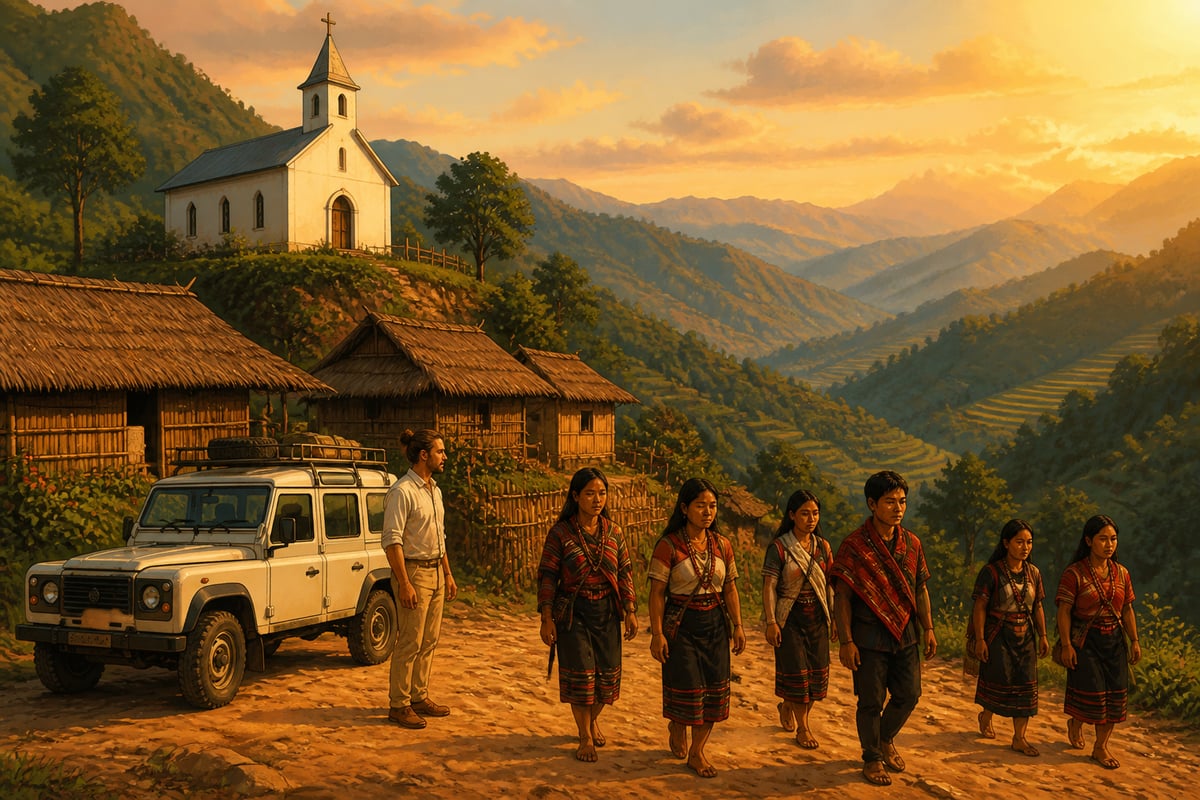
Evangelical organizations जमीन पर operate करते हैं। जबकि academics theorize करते हैं, NGOs document करते हैं, और मीडिया amplify करता है, churches और missionary organizations conversion operations चलाते हैं, educational institutions run करते हैं, और social services देते हैं जो dependency networks create करती हैं।
मुख्य insight यह है: evangelical operations को हर दूसरे node के output से फायदा होता है। Academic theories जो Hinduism को oppressive frame करती हैं, conversion के लिए intellectual justification create करती हैं। NGO reports जो caste discrimination को document करते हैं, moral case create करते हैं। मीडिया coverage जो भारत को minorities को persecute करते हुए portray करती है, international political cover create करती है। Government pressure diplomatic leverage create करता है।
Conversion machine isolated नहीं operate करती। यह एक ecosystem की ground-level expression है जो हजारों मील दूर से intellectual, moral, informational, और political support provide करता है।
Node 5: Western Governments और International Bodies (enforcer)
USCIRF, US State Department, European Parliament, और UN human rights mechanisms जैसी government bodies enforcement layer के रूप में काम करती हैं। वे academic theories, NGO documentation, और media narratives को political pressure में convert करते हैं: sanctions threats, trade conditions, diplomatic consequences, और international shame।
जब USCIRF सलाह देता है कि भारत को "Country of Particular Concern" घोषित किया जाए, तो एक cascade शुरू होता है। मीडिया recommendation को amplify करता है। NGOs इसे use करते हुए policy changes demand करते हैं। Academics इसे अपने theories के evidence के रूप में cite करते हैं। Loop फिर से खुद को feed करता है।
Self-Reinforcing Dynamic
Ecosystem की ताकत किसी एक node में नहीं है, बल्कि उनके बीच के feedback loops में है। हर node दूसरों को independent sources मानता है, जिससे converging evidence का illusion create होता है जबकि evidence actually circular है।
Academic paper को NGO report cite करता है। NGO report को मीडिया article cite करता है। मीडिया article को government commission cite करता है। Government commission को academic paper cite करता है।
कोई एक actor भी dishonest होने की जरूरत नहीं है। सब genuinely believe कर सकते हैं कि वे independent काम कर रहे हैं। System coordinated outcomes produce करता है बिना coordinated intent के। यही बात इसे ecosystem बनाती है, षड्यंत्र नहीं, और यही कारण है कि यह कोई भी षड्यंत्र जितना resilient है।
पैटर्न: East India Company का proto-ecosystem
Breaking India ecosystem नया नहीं है। इसका prototype तीन सदी पहले East India Company के under operate करता था।
Company की भारत की conquest केवल military force से नहीं हुई। वह एक remarkably similar multi-institutional system के through operate करता था जहाँ हर component दूसरों को legitimate करता और enable करता था।
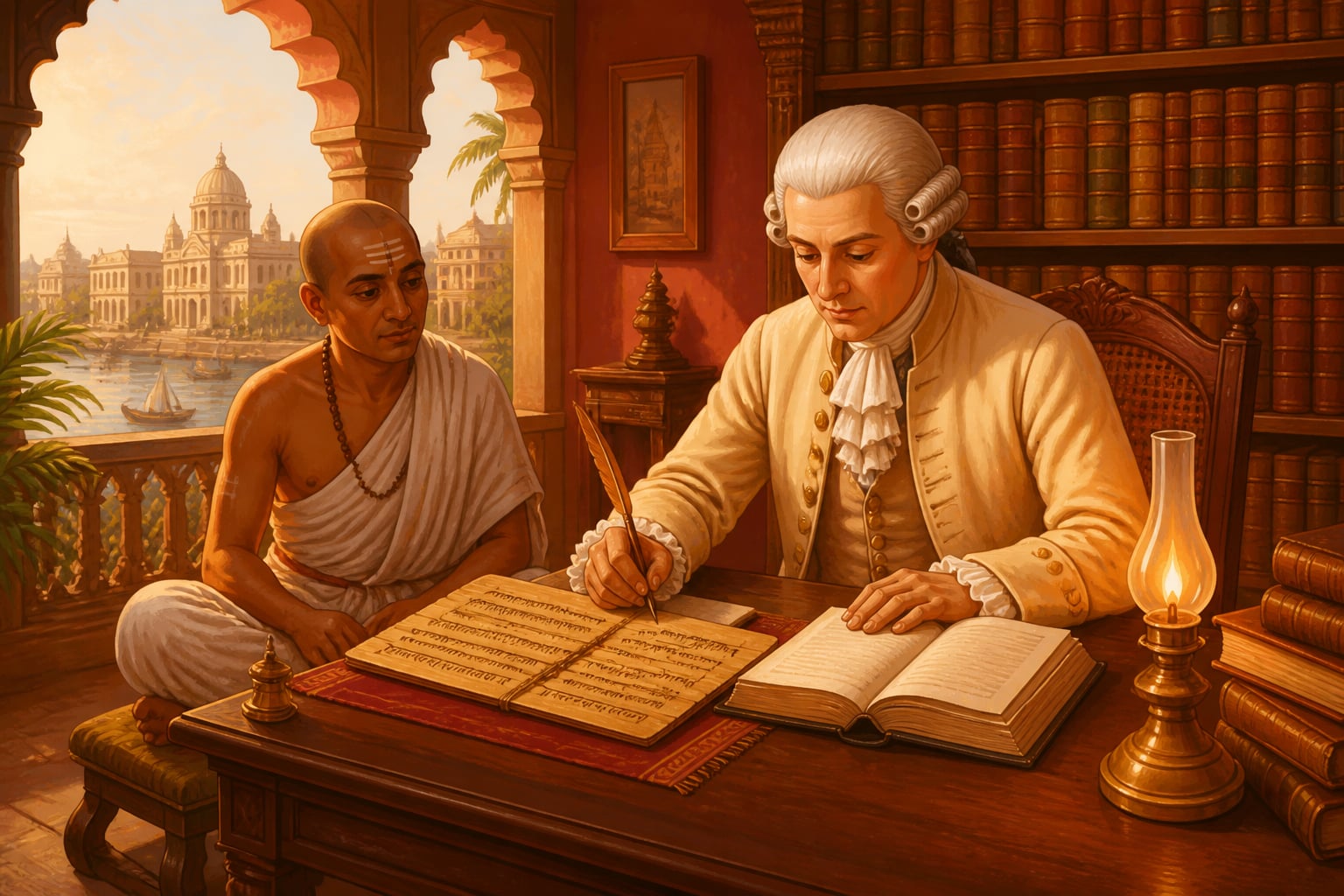
Orientalist scholars जैसे William Jones, H.H. Wilson, और Max Mueller academic node के रूप में काम करते थे। उन्होंने Sanskrit texts को translate किया, भारतीय religions को classify किया, और knowledge frameworks produce किए जो भारतीय civilization को ancient लेकिन decadent, sophisticated लेकिन stagnant, study के लायक लेकिन self-governance में incapable के रूप में present करते थे। उनकी scholarship erudition में genuine थी पर colonial assumptions से shaped थी जो Europe को वह standard मानते थे जिससे सब civilizations को measure किया जाता था।
Missionaries moral node के रूप में काम करते थे। Baptist Missionary Society और Church Missionary Society जैसे organizations ने colonial rule को एक civilizing और Christianizing mission के रूप में frame किया। William Carey के Serampore operations ने printing presses, translation projects, educational institutions, और evangelical activity को एक integrated system में combine किया। Missionaries ने "Hindu atrocities" जैसे sati और infanticide को document किया, deeper colonial intervention के लिए moral justification provide करते हुए।
Company administrators policy node के रूप में काम करते थे। उन्होंने Orientalist scholarship को use करके governance systems design किए और missionary reports को use करके expansion को justify किया। जब Charles Grant ने अपना influential "Observations on the State of Society among the Asiatic Subjects of Great Britain" (1792) लिखा, उसने Orientalist scholarship और missionary documentation को synthesize किया यह argue करने के लिए कि Indians को British moral improvement की जरूरत है। Grant simultaneously एक Company director, एक Member of Parliament, और evangelical Clapham Sect का founding member था। एक ही person ने ecosystem के तीन nodes को embodied किया।
British Parliament enforcement node के रूप में काम करता था। Company के charter renewals (1793, 1813, 1833) पर parliamentary debates Orientalist और missionary testimony को use करते थे दोनों commercial और civilizing mandates को expand करने के लिए। 1813 Charter Act, जिसने India को missionary activity के लिए open किया और Western education के लिए funding को mandate किया, ecosystem का legislative product था।
समानता precise है। Scholars ने legitimate किया। Missionaries ने ground पर operate किया। Administrators ने policy बनाई। Parliament ने enforce किया। हर node ने दूसरों को independent validation माना। System ने coordinated civilizational assault produce किया बिना किसी एक controlling intelligence के।
आधुनिक ecosystem इस colonial architecture का digital-age descendant है, Orientalist societies की जगह universities के through, missionary societies की जगह NGOs के through, pamphlets की जगह media के through, और Parliament की जगह international bodies के through operate करता है।
धार्मिक ज्ञान: Indrajala और Maya का जाल
Arthashastra Indrajala (Indra के illusions का net) की concept को deceptive warfare describe करने के लिए use करता है। Strategic context में, Indrajala एक interconnected web of deceptions create करने को refer करता है जहाँ हर element दूसरों को reinforce करता है, target के लिए reality और manufactured narrative को distinguish करना impossible बना देता है।
Breaking India ecosystem एक modern Indrajala के रूप में operate करता है। हर node outputs produce करता है जो independent appear करते हैं पर structurally interconnected हैं। Academic paper independent scholarship लगता है। NGO report independent documentation लगता है। मीडिया article independent journalism लगता है। Government hearing independent oversight लगता है। पर वे सब एक single web form करते हैं।
Panchatantra एक precise insight देता है। एक single predator को resist किया जा सकता है। पर जब multiple actors एक single target पर अलग-अलग दिशाओं से converge करते हैं, target सब के against एक साथ defend नहीं कर सकता। Ecosystem की strength यही है: भारत simply academic को counter नहीं कर सकता, या NGO को, या media को, या government pressure को isolation में। वे isolated नहीं हैं। वे एक single system के nodes हैं।
Mahabharata का diagnostic wisdom एक और layer add करता है। Vidura warning देता है कि सबसे dangerous affliction वह नहीं है जो suddenly और violently strike करता है, बल्कि जो slowly और constantly काम करता है। Breaking Ecosystem यह slow disease है। हर individual action (एक university में course redesign, एक NGO को grant, Hindu violence के बारे में एक news cycle) isolation में trivial लगता है, national alarm के threshold से well below। पर cumulatively, यह civilizational confidence, institutional trust, और youth identity को decades में erode करता है। जब तक damage visible हो, body को generation-long weakness से weaken कर दिया जाता है।
Arthashastra का Kutayuddha (deceptive warfare) की Sanskrit concept recognize करता है कि सबसे effective attacks वे हैं जो target recognize नहीं करता कि वे attacks हैं। जब academic scholarship, humanitarian advocacy, journalism, और democratic oversight सब अपने legitimate functions को perform करते दिखते हैं, तो systemic effect को recognize करने के लिए एक level की Viveka चाहिए जो ज्यादातर civilizations develop नहीं करते।
Raksha: System को देखो, केवल Nodes को नहीं
Ecosystem के against पहली raksha उसे recognize करना है कि यह एक ecosystem है। Breaking India forces के लिए ज्यादातर responses fail होते हैं क्योंकि वे individual nodes को target करते हैं। वे एक academic paper को challenge करते हैं, एक NGO report को debunk करते हैं, या एक मीडिया article को counter करते हैं। यह disease को ignore करते हुए symptoms को treat करने जैसा है।
Citation chain को trace करो। जब तुम international discourse में भारत के बारे में कोई claim सुनो, उसे backward trace करो। किसने किसे cite किया? मूल "evidence" कहाँ से आया? एक ही claim को कितनी बार अलग-अलग institutional letterheads के through recycle किया गया है? Previous lesson का Viveka Log इसे extend कर सकते हैं: केवल "मेरे anger को किसे benefit है?" नहीं, बल्कि "इस chain में किसने किसे cite किया?" भी।
Funding architecture को map करो। पैसे को follow करो। कौन से foundations दोनों को fund करते हैं - academic positions को और NGOs को? कौन सी governments दोनों को fund करती हैं - commissions को और advocacy organizations को? Publicly available data (भारत में FCRA filings, US में 990 forms, UK में charity commission records) इस mapping को possible बनाते हैं। जब तुम discover करो कि एक ही foundation fund कर रहा है professor को जो theorize करता है, NGO को जो document करता है, और media outlet को जो amplify करता है, तब तुम ecosystem के circulatory system को see कर रहे हो।
Ecosystem level पर counter-infrastructure build करो। भारत को अपने knowledge production infrastructure की जरूरत है: universities जो भारतीय civilization पर globally competitive scholarship produce करती हैं, media organizations जिनके पास genuine international reach है, think tanks जो policy level पर engage करते हैं, और legal frameworks जो foreign institutional interference को address करते हैं। Social media पर individual rebuttals institutional ecosystem को counter नहीं कर सकते। सिर्फ institutional counter-infrastructure ही कर सकता है।
East India Company era का lesson यह है: भारत ने individual threats (missionaries, administrators, scholars) को recognize किया पर उन्हें एक system के रूप में बहुत देर तक नहीं देखा। Sabhyata Raksha (civilizational defense) जो यह course सिखाता है, system को पूरी तरह देखने से शुरू होता है।
Case studies
East India Company का Multi-Institutional Ecosystem
19वीं century की शुरुआत तक, East India Company ने एक self-reinforcing system बना दिया था जिसमें commerce, scholarship, missionary activity, और parliamentary legislation का combination था। Orientalist scholars जैसे William Jones, H.H. Wilson, और Max Mueller ने academic works बनाईं जिन्होंने Indian civilization को ancient लेकिन decadent frame किया, intervention के लिए intellectual justification देते हुए। Missionary organizations जैसे Baptist Missionary Society और Church Missionary Society, जिन्हें Serampore में William Carey ने anchor किया, moral argument दिया: India को saving की जरूरत है। Company administrator Charles Grant ने इसे अपने 1792 tract 'Observations on the State of Society among the Asiatic Subjects' में formalize किया, argue करते हुए कि Christianity और Western education से moral improvement दोनों duty और commercial necessity थी। 1813 Charter Act renewal ने इस ecosystem को law में translate किया, India को missionaries के लिए open किया और Western education funding को mandate किया। हर node ने दूसरों को feed किया: scholars ने missionaries को legitimize किया, missionaries ने Parliament को pressure दिया, Parliament ने Company को protect किया, और Company ने scholars को fund किया।
Arthashastra warning देता है कि एक state की vulnerability तब शुरू होती है जब उसके knowledge systems को अपनी civilization से बाहरी interests capture कर लें। Company ने बिल्कुल यही बनाया: एक system जिसमें India को समझने के लिए use किए जाने वाले categories को India के बाहर design किया गया था, ऐसे लोगों द्वारा जिनके पास India के subordination में material interests थे। Upanishadic principle कि avidya (ignorance) bondage की जड़ है - यह institutionally यहाँ apply होता है। जब कोई civilization एक विदेशी framework को उस lens के रूप में accept कर लेता है जिससे वह अपने आप को समझता है, तो बाहरी force को coercion की जरूरत नहीं है। Ecosystem self-colonization produce करता है।
1813 Charter Act ने जो पहले informal pressure था, उसे institutionalize कर दिया। Missionaries को India में legal access मिल गया, Rs. 1 lakh साल में Western learning के लिए mandate किया गया, और Charles Grant की moral framework state policy बन गई। 1835 तक, Macaulay के Minute on Education ने Sanskrit और Persian education के displacement को formalize कर दिया। Ecosystem ने commercial extraction को एक civilizational project में convert कर दिया - एक साथ Parliament, academia, Church, और Company administration द्वारा backed।
जब commerce, scholarship, religion, और legislation एक single civilizational project के चारों ओर align हो जाते हैं, तो कोई एक node को villain होने की जरूरत नहीं। System distributed legitimacy के through operate करता है। एक actor को identify करना structure को miss कर देता है। Structure ही threat है।
यही architecture आज किसी भी context में appear होता है जहाँ foreign-funded NGOs, international academic framing, diaspora media narratives, और UN mechanisms एक single country या region पर converge करते हैं। Nodes different हैं; self-reinforcing logic identical है।
Charles Grant simultaneously एक Company director, Member of Parliament, और Clapham Sect evangelical movement का founding member था। एक person ने ecosystem के तीन nodes को embodied किया, illustrate करते हुए कि कैसे system को individuals में concentrate किया गया था, सिर्फ institutions में नहीं।
Northeast India का Church-NGO-Academic Nexus
Northeast India multi-node ecosystem का एक living example है। Roughly एक century के missionary activity में, Nagaland (लगभग 90% Christian), Mizoram (लगभग 87% Christian), और Meghalaya (लगभग 75% Christian) की tribal populations को American Baptist और Welsh Calvinist missions ने convert किया, जिन्होंने इन regions में primary educational और healthcare infrastructure भी establish किए, deep institutional dependency create करते हुए। Western anthropologists ने बाद में इन same populations को 'indigenous peoples' के रूप में frame किया - Hindu mainland से अलग और colonized। यह framing UN mechanisms में UNDRIP (UN Declaration on the Rights of Indigenous Peoples, 2007 adopted) के through enter हुई। NPMHR जैसे organizations local grievances को international bodies और foreign media में ले जाते हैं। International outlets regularly Northeast India को 'occupation' या 'counterinsurgency' frame से cover करते हैं। हर node दूसरों को sustain करता है: academics conceptual vocabulary supply करते हैं, churches ground infrastructure operate करते हैं, NGOs local events को internationally legible rights language में translate करते हैं, और media amplify करके diplomatic pressure apply करता है।
Vedic concept samskara deep impressions को refer करता है जो identity और perception को shape करते हैं। जब एक population का formative samskara (उसकी education, language of prayer, institutional memory, अपने history की समझ) एक external civilizational project द्वारा construct किया जाता है, तो resulting identity genuinely felt है पर externally authored है। Dharmic epistemology emphasize करता है कि जिस frame से कोई reality को perceive करता है, वह किसी के agenda का product है। किसी भी framework के लिए जो एक community पर impose किया जाए, यह सवाल पूछो: किसने यह frame बनाया, और यह क्या invisible करता है?
Ecosystem ने sustained low-intensity separatist pressure, periodic insurgencies, और UN Human Rights Council सहित forums में India के लिए significant diplomatic costs produce किए हैं। इसने tribal communities को internally भी fragment किया है, क्योंकि conversion-based identity pre-existing clan और village structures के साथ conflict create करती है। 'Indigenous peoples' framing ने ordinary Indian administrative और developmental activity को internationally 'colonization' के रूप में legible बना दिया है।
एक self-reinforcing ecosystem को central coordination की जरूरत नहीं। जब academic frameworks, ground-level institutions, documentation networks, और media amplification compatible incentives share करते हैं, system ऐसे outcomes produce करता है जो कोई एक actor plan नहीं करता। एक node को दूसरों को समझे बिना disrupt करना कम achieve करता है।
Northeast model India के लिए unique नहीं है। यही structure (foreign mission activity institutional dependency create करती है, academic indigeneity framing, NGO documentation pipelines international bodies तक, और sympathetic foreign media coverage) globally multiple regions में operate करता है जहाँ एक majority culture और external missionary activity से shaped minorities के बीच civilizational friction है।
American Baptist Foreign Mission Society के missionaries 1839 में Nagaland आए। 80 सालों में, उन्होंने region के primary school network को build किया, Ao Naga language को Roman script में transliterate किया, और उस language में first written literature produce किया। Script, literature, और community की institutional memory mission द्वारा author की गई - Indian state exist करने से पहले।
Reflection
- पिछले महीने आपने एक specific anti-India narrative सुना या पढ़ा - news article, academic paper, documentary, या social media post में। क्या आप इसे upstream trace कर सकते हैं? किसने इसे author किया? उस publication या institution को कौन fund करता है? किसने इसे next में cite किया, और किसने उन्हें? Ecosystem lens apply करो: क्या यह narrative academia, media, NGOs, और foreign policy channels के through उसी pattern में move करता है जो इस lesson में describe किया गया है? यह exercise आपकी अपनी media consumption की आदतों के बारे में क्या reveal करता है, और Viveka को कहाँ sharpen करने की जरूरत है ताकि आप unknowingly Indrajala को forward न करें?
- हर जीवंत civilization को honest internal criticism की जरूरत है - ऐसी voices जो कहें कि क्या broken है और repair demand करें। फिर भी यह lesson argue करता है कि legitimate grievances को external actors weaponize कर सकते हैं destabilization के लिए, healing के लिए नहीं। आप दोनों truths को एक साथ कैसे hold करते हो? वह क्या test है जो एक reform movement को अलग करता है जो civilization के लिए love से rooted है, से एक जो, भले ही उसके participants sincere हों, एक ecosystem द्वारा capture हो गया है जो India के fragmentation से benefit करता है? Sva-Rajya क्या demand करता है जब self-governance के tools का use उसी self को hollow out करने के लिए किया जा रहा है जिसको govern करना है?
- इस lesson में describe किया गया ecosystem एक coherent geopolitical instrument है। क्या India को एक mirror image बनाना चाहिए: विदेश में think tanks को fund करना, friendly media को backing देना, diaspora organizations को support करना जो host countries में narratives को shape करते हैं? अगर India refuse करता है, तो क्या information domain में perpetually outmatched रहता है? अगर India proceed करता है, तो क्या वह वही बन जाता है जिसकी वह criticize कर रहा है, और Dharma यह permit करता है? Arthashastra hard-edged statecraft से shy नहीं होता। Kshatriya Dharma warrior से केवल एक hand से fight करने को नहीं कहता। पर क्या same methods को deploy करना उस civilization को corrupt करता है जो उन्हें deploy करता है?