कब्ज़ा किया गया शिक्षा तंत्र और न्यायिक आयाम
NCERT की कहानियाँ, JNU की व्यवस्था, और असमान धर्मनिरपेक्षता
भारत की शिक्षा और न्याय व्यवस्था औपनिवेशिक ज्ञान-ढाँचों को संस्थागत जड़ता के ज़रिये आगे बढ़ाती हैं। Wood के 1854 order से लेकर NCERT की textbooks तक, और मंदिर-नियंत्रण के असमान कानूनों तक, यह पाठ दिखाता है कि बाहरी कब्ज़ा कैसे आंतरिक शर्त बन गया।
आज देखो: तुम्हारी किताब में क्या नहीं लिखा है
2023 में, NCERT ने Class 12 की राजनीति science की किताब बदली। बदलाव में से एक: 2002 के Gujarat दंगों के बारे में एक अनुच्छेद छोटा कर दिया गया। कुछ दिनों में अख़बारों, TV debates, और social media पर गर्मागर्मी हो गई। "NCERT इतिहास फिर से लिख रहा है," सुर्खियों ने कहा। "शिक्षा को सांस्कृतिक बना दिया जा रहा है," लेखों ने चेतावनी दी।
पर एक सवाल था जिसे लगभग कोई नहीं पूछ रहा था: उस पुरानी किताब को किसने लिखा था?
2005 से 2017 तक NCERT की किताबों को National Curriculum Framework (NCF) 2005 के तहत लिखा गया। इसके advisory group की अध्यक्षता Delhi University के Professor Krishna Kumar ने की। Social science की committee को JNU के Centre for Historical Studies और School of Social Sciences से लोग थे। इन किताबों में खास editorial चुनाव किये गये। Mughal architecture को बहुत जगह दी गई, पर मंदिरों के systematic destruction को एक ही sentence में निपटा दिया गया। Vijayanagara Empire, जिसने 300 साल से ज़्यादा peninsular India पर राज किया, को Delhi Sultanate से कम जगह मिली। Aurangzeb की administrative innovations को highlight किया गया; Jizya दुबारा लगाने और मंदिर तोड़ने के orders को "राजनीतिक, धार्मिक नहीं" बताया गया।
ये तटस्थ चुनाव नहीं थे। खास academics ने खास विचारों से ये निर्णय लिये। 2023 में जब ये किताबें बदली गईं, तो लोगों को लगा कि पुरानी version "असली" थी और नई "गलत" थी। पर हर किताब curated होती है। सवाल हमेशा यही है: कौन curate करता है, और क्यों?
यही pattern institutional capture का ढाँचा है। जब एक ideological कब्ज़ा को natural baseline माना जाता है, और कोई सुधार को politicization कहा जाता है। यह pattern भारत की शिक्षा, न्याय, और सांस्कृतिक संस्थाओं में चलता है। और इसकी जड़ें 2005 से भी गहरी हैं।
कैसे काम करता है कब्ज़ा: शिक्षा-न्याय का pipeline
Phase 1: औपनिवेशिक administrative ढाँचा
Chapter 3 में देखा कि Macaulay के 1835 minute का लक्ष्य क्या था: "एक ऐसा वर्ग बनाना जो देश का हो पर दिमाग से अंग्रेज़।" पर उसमें नहीं दिखा कि इस योजना को कैसे permanent बनाया गया।

1854 में, Sir Charles Wood ने एक order दिया जिसे Wood's Despatch कहते हैं। यह सिर्फ़ अंग्रेज़ी शिक्षा का proposal नहीं था। इसने एक पूरा institutional ढाँचा बना दिया। Government grants केवल अंग्रेज़ी माध्यम के schools को मिलते थे। University system को London University के तर्ज़ पर बनाया गया। सारी चीज़ को सजाया गया ताकि भारतीय शिक्षा institutions ख़त्म हो जायें।
Wood के पहले, भारत में लगभग 100,000 indigenous schools थे: pathshalas, tols, gurukuls, और madrasas। Dharampal ने "The Beautiful Tree" (1983) में साबित किया कि ये सब British records में दर्ज हैं। 1882 तक, Hunter Commission ने पाया कि ये schools ख़त्म हो गई थीं। सरकार ने उन्हें ban नहीं किया, बल्कि उन्हें आर्थिक तरीक़े से मार दिया। Government grants अंग्रेज़ी schools को मिलते थे, इसलिए गाँवों ने अपनी pathshalas को fund करना बंद कर दिया। नई job market में नई किताबें ज़रूरी थीं।
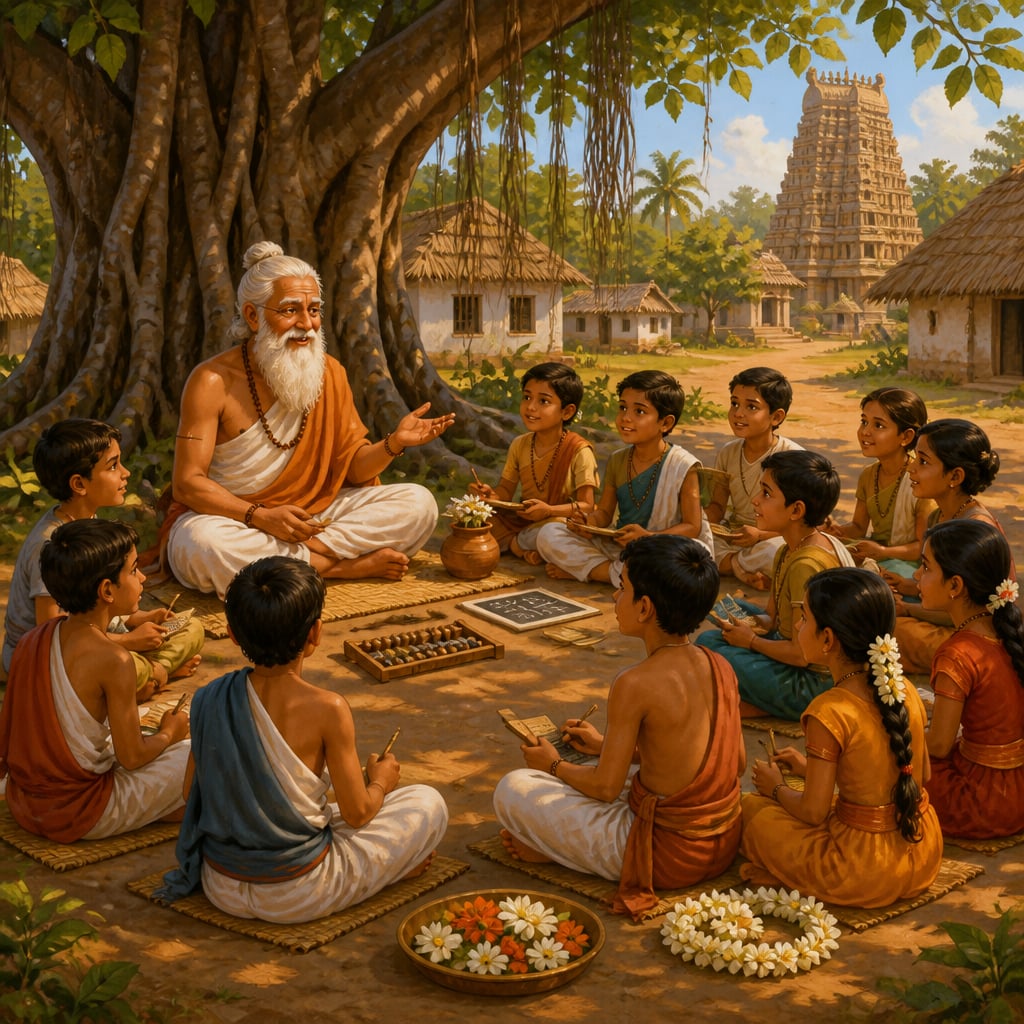
यह कब्ज़े का तरीक़ा है: force से नहीं, incentive structure से। किसी ने gurukul को ban नहीं किया। Colonial administration ने सिर्फ़ इसे आर्थिक रूप से irrelevant बना दिया। Sanskrit traditions, mathematics (ganita), astronomy (jyotisha), logic (nyaya), medicine (ayurveda), ये सब गायब नहीं हुए क्योंकि "गलत" थे। गायब हुए क्योंकि इनसे colonial economy में job नहीं मिलती थी।
Phase 2: Academic pipeline जो अपने आप को दोहराता है
1947 में जब भारत आज़ाद हुआ, तो inherited education system Wood की ही system थी। पहली पीढ़ी के भारतीय academics खुद colonial pipeline के products थे। और institutions जो करते हैं: वो अपने आप को repeat करते हैं।
Independence के बाद universities expand हुईं, पर colonial template में ही। History departments ने European तरीक़े अपनाये। Social science को Western frameworks से पढ़ाया गया: Marxist analysis, subaltern studies, post-colonial theory। ये सब Western universities में बनाया गया था।
ये pipeline self-sustaining बन गया JNU के ज़रिये। 1969 में JNU का Centre for Historical Studies बना, और यह India का सबसे influential history department बन गया। Western Indology departments के professors JNU को influence करते थे। JNU के professors NCERT textbooks लिखते थे। उनके students दूसरी universities में professors बनते थे। ये नए professors नई textbooks लिखने वाले historians को train करते थे। ये historians media को advise देते थे। सारा pipeline एक दूसरे को feed करता है।
यह किसी एक आदमी की बुराई नहीं है। यह बताता है कि institutions कैसे काम करती हैं। एक department PhD students बनाता है, जो professors बनते हैं, जो अपने students बनाते हैं, जो books लिखते हैं, जो public discourse को shape करते हैं। Pipeline self-reinforcing है। जो इस pipeline को control करे, वो intellectual output को control करता है। Wood को यह सब समझ था 1854 में। उसका pipeline आज भी उसी logic पर चलता है।
नतीजा measurable है। 2019 में NCERT history textbooks का analysis किया गया। Classes 6-12 में, लगभग 60% medieval history content Indo-Islamic political history को दिया गया। पर Chola maritime empire, Maratha confederacy, Ahom kingdom की 600-year resistance, इन्हें कुछ ही pages मिले। Vijayanagara की sophisticated engineering, urban planning, ये सब कुछ pages में दिये गये। Pattern clear है: invading dynasties को आगे रखा, civilizational continuity को पीछे।
Phase 3: Judicial asymmetry का architecture
शिक्षा बताती है लोगों को क्या सोचना चाहिए। न्याय बताता है क्या करना चाहिए। जब दोनों एक ही epistemological framework में चलते हैं, तो capture complete हो जाता है।

भारत के constitution में एक documented asymmetry है religious institutions के लिए। Hindu temples को government control करती है। Mosques, churches, gurudwaras को नहीं। Waqf Board Islamic properties को autonomously manage करता है। Church properties diocesan trusts manage करते हैं। सिर्फ़ Hindu institutions state के direct control में हैं।
Tamil Nadu में ही, HR&CE department लगभग 44,000 temples administrate करता है। Government officials temple funds manage करते हैं, renovations decide करते हैं, lands control करते हैं। Audit reports में दिखता है कि temple lands पर encroachment हो रहा है, temple jewels गायब हो रहे हैं, wealthy temples की revenue redirect हो रही है। Tirumala Tirupati Devasthanams (सबसे rich temple, 3,000 crore सालाना collect करता है) government board के अंदर है।
न्यायपालिका ने हमेशा इस asymmetry को support किया है। जब यह challenge किया गया कि यह Article 26 (religious freedom) के against है, तो courts ने "essential religious practices" doctrine लागू किया। इस doctrine के तहत, courts decide करते हैं कि कौन से practices "essential" हैं और कौन से "secular" हैं। यह doctrine Hindu institutions को बहुत लागू किया गया है। 2018 के Sabarimala case में, Supreme Court ने एक centuries-old tradition (महिलाएं नहीं जा सकतीं) को override कर दिया, कहा कि यह "essential" नहीं है। पर mosques के बारे में जब सवाल आया, तो equivalent test apply नहीं किया गया। यह doctrine एक-तरफ़ा है: Hindu practices को override करता है, दूसरी religions की practices को protect करता है। कोई court ने Islam या Christianity की "essential practices" define नहीं की।
1991 का Places of Worship Act एक और layer add करता है। यह Act freeze करता है हर worship place की religious character जैसी 15 August 1947 को थी। Exception सिर्फ़ Ram Janmabhoomi-Babri Masjid dispute के लिए। मतलब: medieval invasions में destroyed temples जो mosques बन गईं, उन्हें legally reclaim नहीं किया जा सकता। Invasion-era status quo को legal baseline माना गया। 2022 के Gyanvapi case में, court-ordered survey से Hindu temple architecture दिखी mosque के नीचे। पर यह Act इसे recognize नहीं करता।
यह judicial architecture एक system बना देता है जहाँ Hindu temples state-controlled हैं और उनके historical claims legally frozen हैं। दूसरी religions को autonomous management और legal protection दोनों मिलते हैं। यह conspiracy नहीं है। यह documented outcome है specific laws, specific judicial doctrines, और specific incentives का। सही नाम: asymmetric secularism। एक framework जो एक set को state control करता है और दूसरों को autonomy देता है।
Pattern: 1854 से 2026 तक, 170 साल की institutional continuity
1854 को जोड़ता है आज को: institutional reproduction। Wood का Despatch administrative framework बना। Universities ने इसी framework की intellectual assumptions को reproduce किया। Post-independence expansion ने इसे deeper किया। Judiciary ने इसे protect किया।
हर stage पर जो लोग काम कर रहे थे वो villains नहीं थे। वो system के products थे। एक Marxist historian Marxist history लिखता है। एक colonial law के तहत trained administrator colonial law administrate करता है। एक English common law के तहत trained judge English logic apply करता है Indian religious questions पर।
Pattern है self-perpetuating institutional capture। Original colonial intention (indigenous knowledge systems को replace करना) succeed हुआ, पर conspiracy से नहीं। Institutions अपने आप को repeat करती हैं। Gurukul को university से nहीं हारा क्योंकि university ज़्यादा advanced थी। हारा क्योंकि Wood की economic framework इसे irrelevant बना दी। फिर generations के लिए, लोगों को gurukul नहीं दिखा, तो इसे restore करने का imagination भी नहीं आया।
इसीलिए institutional capture अब भी है, जबकि original captors (British) 1947 में चले गये। उनकी educational, legal, administrative frameworks रह गईं। जिन academics और administrators ने ये inherit किया, उन्हें external direction की ज़रूरत नहीं थी। System अपने आप चलता है। Chapter 3 ने दिखाया कि colonialism ने seeds बोये। यह chapter दिखाता है कि वो seeds कैसे एक self-sustaining ecosystem बन गए। External attack एक internal condition बन गया।
Dharmic wisdom: विद्या सभ्यता की नींव है
Arthashastra में विद्या को सबसे important माना गया है। Kautilya कहते हैं: विद्या से नैतिकता, नैतिकता से योग्यता, योग्यता से prosperity आती है। यह सिर्फ़ teaching advice नहीं है। यह strategy है: जो विद्या को control करे, वह civilization को control करता है।
Dharmic परंपरा में, Acharya (teacher) को extraordinary authority थी क्योंकि education को civilizational reproduction माना जाता था। Guru-Shishya Parampara सिर्फ़ teaching method नहीं था। यह वह तरीक़ा था जिससे civilization अपने wisdom, values, और self-understanding को generations तक transmit करती थी। यह सिर्फ़ information नहीं था। यह Samskara था: एक person के fundamental orientation को shape करना।
जब Wood ने Acharya को government schoolteacher से replace किया, और gurukul को English school से, तो यह सिर्फ़ pedagogy नहीं बदला। Civilizational transmission mechanism टूट गया। नई system ने British civilizational values transmit किये। English literature, European history, Western science। Indian knowledge को "antiquarian curiosity" माना गया। Students को Newton सिखाया पर Aryabhata नहीं। Locke पढ़ाया पर Kautilya नहीं। Shakespeare पढ़ाया पर Kalidasa नहीं।
Bhagavad Gita में Avidya (ignorance of one's true nature) की बात की गई है। अगर कोई civilization को सिखाया जाये कि अपने history को foreign lenses से देखो, अपनी knowledge systems को "pre-scientific" मानो, अपने intellectual heritage से शर्मिंदा महसूस करो, तो यह institutionalized Avidya है। इसका इलाज counter-propaganda नहीं है। इलाज है genuine विद्या: अपने epistemological traditions के ज़रिये खुद को समझना, और दूसरों के knowledge को honestly engage करना।
बचाव: Civilizational transmission mechanism को वापस लेना
Capture को diagnose करना बिना recovery plan के intellectual entertainment है। तीन fronts पर action चाहिए।
शिक्षा: Parallel systems बनाओ, existing को भी सुधारो। NEP 2020 है पहला structural attempt decolonize करने का। Mother-tongue instruction, Indian Knowledge Systems integration, multidisciplinary education, ये सब Wood के framework को challenge करते हैं। पर policy documents बच्चों को नहीं पढ़ाते। Textbooks, teacher training, university curricula, ये decide करेंगे कि NEP transform करता है या सिर्फ़ rename करता है। Citizens state education boards के साथ काम कर सकते हैं, textbook processes में participate कर सकते हैं, और institutions को support कर सकते हैं जो सच में indigenous knowledge integrate करते हैं।
न्याय: Constitutional symmetry माँगो। Temple control asymmetry बनी है क्योंकि इसे constitutional violation की तरह challenge नहीं किया गया। "Free Hindu Temples" movement कई states में active है। यह simple principle पर based है: सभी religious institutions को equal autonomy under Article 26 मिलना चाहिए। Legal challenges support करो, legislators से बात करो, और public को asymmetry के बारे में बताओ।
ज्ञान: Civilizational transmission node बनो। Institutional reform को decades लगते हैं। Individual action आज से शुरू हो सकता है। जो भी Sanskrit सीखे, Arthashastra या Thirukkural पढ़े, classical arts practice करे, temples को visit और financially support करे, अपने बच्चों को civilizational history सिखाये, या dharmic knowledge की digital content बनाये, वह एक node है एक distributed network में। Wood की system concentrated थी government institutions में जिन्हें capture किया जा सकता था। Defense है distribution करना millions of individual and community nodes में। Institutions को 170 साल में capture किया गया। एक electoral cycle में liberate नहीं होंगे। पर civilizational immune system activate होता है एक informed individual से।
Case studies
Wood's Despatch: Indigenous शिक्षा के लिए Administrative Kill-Switch (1854)
1854 में, Sir Charles Wood ने Education Despatch दिया। यह भारतीय शिक्षा के इतिहास का सबसे महत्वपूर्ण administrative order था। Wood से पहले, India के पास ~100,000 indigenous schools थे: pathshalas, tols, gurukuls, madrasas। Dharampal ने British records से साबित किया कि ये schools 1820-30 में exist करते थे। ये locally funded, locally controlled थे। Mathematics, astronomy, logic, medicine, सब कुछ सिखाते थे। Wood ने उन्हें ban नहीं किया। सिर्फ़ economic drain किया। Government grants सिर्फ़ English schools को मिलते थे। 1882 तक, Hunter Commission ने पाया कि indigenous schools ख़त्म हो गई थीं। Communities को नई system में जाना पड़ा क्योंकि employment के लिए यही जरूरी था।
Arthashastra में Kautilya कहते हैं: Vidya civilization की root है। Knowledge से discipline, discipline से competence, competence से wealth, wealth से dharma, dharma से well-being। Wood ने इस root को surgical precision से target किया। Economic incentive structure को control करके, British ने civilization का transmission mechanism को बिना shot फ़ायर किये capture कर लिया। यह है Bheda (division), पर community को नहीं, पूरी civilization को। Arthashastra यह भी बताता है: सबसे effective attack वह होता है जिसे target recognize नहीं करता। Wood की system को किसी ने attack नहीं माना। लोगों को यह employment का opportunity लगा।
30 साल में, India की indigenous education system functionally extinct हो गई। ये knowledge systems गलत नहीं थीं, इसलिए die नहीं हुईं। Die हुईं क्योंकि economic opportunity नहीं थी। उनकी जगह एक university system आया जो generations के लिए European frameworks में trained administrators, lawyers, teachers बनाता रहा। Colonial education pipeline self-sustaining बन गया। अब इसे कोई external direction की ज़रूरत नहीं थी।
Civilization को capture करने का सबसे टिकाऊ तरीक़ा: force नहीं, economic incentive। अगर employment colonizer's knowledge system पर depend करे, तो लोग अपने traditions को खुद ही abandon कर देंगे। इसे reverse करने के लिए indigenous knowledge को economic value देनी पड़ेगी। Ideological defense से नहीं होगा।
NEP 2020 ने Indian Knowledge Systems को integrate करने का प्रयास किया। पर वही challenge है जो Wood के ज़माने में था: अगर indigenous knowledge से employment, research funding, या professional recognition नहीं मिले, तो यह सिर्फ़ cultural ornament रहेगा। Economic incentive structure उतना ही powerful है आज भी।
Dharampal ने पाया: Madras Presidency में ही 1822-25 में 11,575 indigenous schools और 1,094 colleges थे। 1882 तक, सिर्फ़ 3,000 से कम English schools रह गई थीं। 60 साल में 8000+ schools गायब हो गई।
NCERT Textbook Wars: Nation की Memory को कौन curate करता है? (2004-2023)
2004 में, नई UPA government ने NCERT textbooks को NCF 2005 के तहत revise करने का order दिया। Advisory group को JNU के Centre for Historical Studies से लोग चुने गये। उन textbooks में खास editorial choices थीं। Mughal architecture को बहुत coverage दिया। Vijayanagara Empire जिसने 300+ साल peninsular India पर राज किया, उसे Delhi Sultanate से कम space दिया। Aurangzeb के Jizya और temple demolition को 'political acts' बताया, religious persecution नहीं। Chola maritime networks, Maratha innovations, Ahom kingdom की 600-year resistance, ये सब कुछ pages में दिये गये। 2017-2023 में जब government ने revisions किया (Gujarat riots को छोटा किया, Hindu contributions को बहाल किया), तो सब 'saffronization' कहने लगे। पर 2005 framework को 'neutral' माना।
Arthashastra की Kutayuddha (covert warfare) concept यहाँ perfect apply होता है: सबसे effective capture वह है जिसे target recognize नहीं करता। जब 2005 framework को 'neutral default' बना दिया, तो कोई भी correction 'politicization' दिखने लगा। यह epistemological Bheda है: community को divide नहीं किया, पर civilization को उसकी अपनी historical memory से divide कर दिया। Chanakya Niti का liquor vessel वाला warning यहाँ perfectly applies। colonial-framework vessel में रखा पानी उसकी smell absorb कर लेता है। Indian history अगर Marxist historiographical methods से लिखी जाये, तो चाहे लेखक Indian हों, epistemology तो वही colonial रहेगी।
2005-2017 में पढ़ने वाली पूरी generation को अपनी history का एक curated version सिखाया गया। Invading dynasties को आगे, civilizational continuity को पीछे। यह textbook framework state boards को भी influence करता है क्योंकि वो NCERT को follow करते हैं। Pipeline है: JNU faculty → NCERT committees → state boards → classrooms। Self-reinforcing ecosystem बन गया।
Textbooks neutral नहीं होती। ये curated narratives हैं जो civilization को अपने बारे में क्या सोचना है, यह बताती हैं। Editorial committee को control करो, पूरी generation को control कर लो। Defense के लिए counter-propaganda नहीं, transparent और evidence-based curation चाहिए, diverse academic perspectives के साथ।
NCF 2023 revision चल रहा है। हो सकता है genuinely balanced history बने, या फिर एक capture को दूसरे capture से replace कर दिया जाये। यह committee की transparency और intellectual diversity पर निर्भर करेगा। Citizens draft curricula को review कर सकते हैं, public consultation में feedback दे सकते हैं।
2019 में NCERT history textbooks का analysis किया गया। Medieval history में 60% content Indo-Islamic political history को दिया गया। Hindu kingdoms जो larger territories पर longer periods के लिए rule करते थे, उन्हें बहुत कम coverage मिला।
Tamil Nadu HR&CE: 44,000 मंदिर State Control के तहत
Tamil Nadu में HR&CE department लगभग 44,000 Hindu temples को administer करता है। Government officials (अक्सर non-Hindu) temple finances manage करते हैं, renovations decide करते हैं, priests appoint करते हैं, temple lands control करते हैं। CAG audits और RTI responses से पता चलता है: temple lands पर encroachment हो रहा है, temple jewelry गायब हो रही है, wealthy temples की revenue state treasuries में जा रही है। छोटे temples collapse हो रहे हैं, idols broken हैं, daily rituals बंद हैं। इधर mosques को Waqf Board autonomously manage करता है, churches को diocesan trusts manage करते हैं। कोई government department non-Hindu institutions को नहीं देखता। Tirumala Tirupati Devasthanams (सबसे rich temple, 3000 crore सालाना collect करता है) government board के अंदर है।
Arthashastra कहता है: state को religious institutions को protect करना चाहिए, capture नहीं। Kautilya explicitly कहते हैं कि temple protection governance का एक core function है। पर आज state temples को administrate कर रहा है revenue-generating assets की तरह। Mahabharata की Rajadharma concept (ruler का duty है dharmic institutions को protect करना) यहाँ violated हो रहा है। एक religion के institutions को state control करता है, दूसरों को autonomy देता है। यह secularism नहीं है। यह असमानता का documented, structural proof है।
Temples जो historically civilizational institutions थे (education, arts patronage, community welfare, economic activity देती थीं), वो अब सिर्फ़ government-administered 'places of worship' बन गई हैं। उनके broader civilizational functions ख़त्म कर दिये गये। 'Free Hindu Temples' movement को momentum मिल रहा है। कुछ states में courts ने temples को community को return कर दिये, पर state control का systemic framework अभी बना है।
Asymmetric institutional treatment एक structural problem create करता है जिसे कोई भी 'secularism' की बातें hide नहीं कर सकतीं। अगर एक religion के institutions state-controlled हों और दूसरों को autonomy हो, तो inequality होना ही है।
2019 में Uttarakhand ने Char Dham Devasthanam Board बना लिया (51 temples को state control में लाने के लिए)। 2021 में public opposition की वजह से इसे dissolve कर दिया गया। यह दिखाता है कि organized civic engagement temple capture को reverse कर सकता है। Tamil Nadu अभी भी main battleground है।
Tamil Nadu के 44,000 temples में से सिर्फ़ 10% को proper maintenance funding मिलता है। बाकी 90% temples deteriorate हो रहे हैं। पर उनकी lands और endowments उसी department के पास हैं जो उन्हें maintain नहीं कर रहा।
Reflection
- अपनी school और college की education को याद करो। Vijayanagara Empire, Chola maritime networks, या Aryabhata के mathematics के बारे में तुमने क्या सीखा? और Mughals, British industrial revolution, या Newton के बारे में? यह ratio तुम्हें क्या बताता है तुम्हारी textbooks के बारे में?
- पाठ कहता है: institutions अपने आप को reproduce करती हैं। अगर यह सच है, तो क्या institutional capture को policy reform से reverse किया जा सकता है? या नई institutions बनानी पड़ेंगी?
- Courts ने Hindu practices को regulate करने के लिए 'essential religious practices' doctrine लागू किया, पर mosques या churches के लिए नहीं। यह institutional bias है, या Hinduism की decentralized structure का natural consequence?